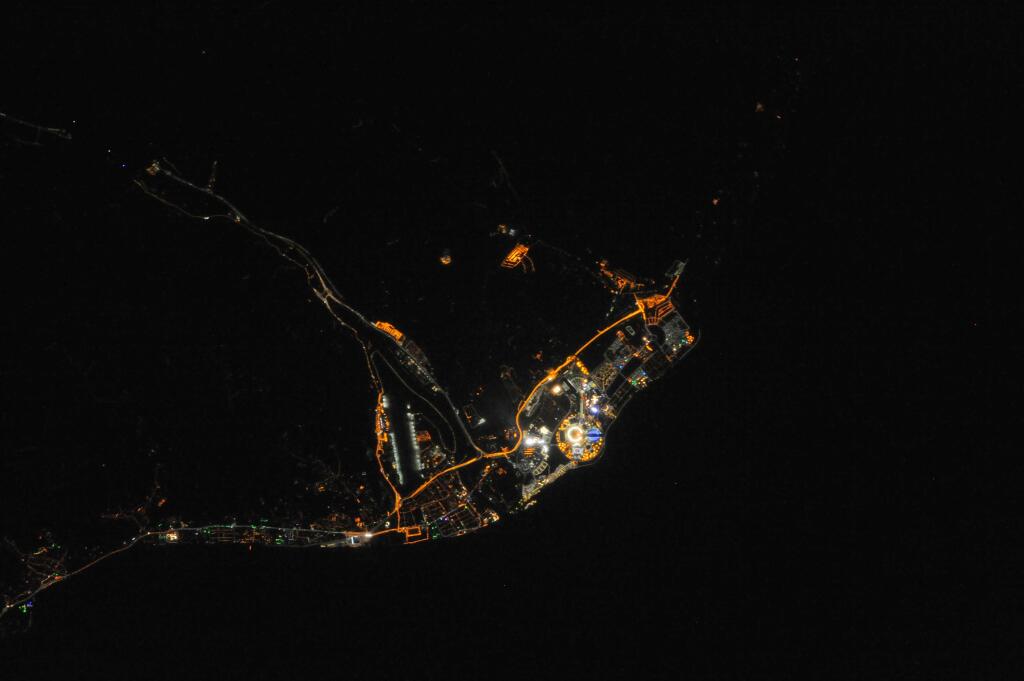
Sochi’s Olympic Park is one of those rare places where modern design and natural beauty come together without competing for attention. Built for the 2014 Winter Olympics, it stretches across a flat plain between the Black Sea and the Caucasus Mountains, its futuristic buildings standing out against the landscape like sculptures in an open-air gallery. Even on quiet days, the park feels alive, as if the energy of the Games still lingers in the air. The structures here weren’t just designed to host events—they were meant to leave a mark, and they do, long after the last medal was awarded.
The architecture is what makes the park truly distinctive. Each venue was created by a different team of architects, and the result is a collection of buildings that feel both bold and harmonious. The Bolshoy Ice Dome, with its silver facade, looks like a frozen droplet suspended in time. Fisht Stadium, with its retractable roof and transparent walls, seems to hover just above the ground. Nearby, smaller arenas like the Shayba Ice Arena, the Adler Arena speed skating center, and the Ice Cube curling venue add to the variety, their clean lines and geometric shapes creating a striking contrast with the soft curves of the surrounding mountains. They’re arranged along a central promenade that leads toward the sea, their silhouettes sharp and defined even on overcast days.
Today, the Olympic Park is more than just a sports complex—it’s a public space where people come to spend time, not just watch events. In the summer, fountains splash along the walkways, and children dart between the jets of water. In the winter, some of the arenas open their doors to skaters, turning into temporary rinks. When evening falls, the buildings light up from within, their reflections shimmering in the artificial ponds. The park often hosts concerts, exhibitions, and festivals, but even on ordinary days, it doesn’t feel empty. Families picnic on the lawns, cyclists ride along the paths, and couples stroll hand in hand, taking in the views.
At the heart of the park stands the Olympic Cauldron, its flame extinguished but its presence still commanding. It was here that the torch was lit during the Games, and now it serves as a reminder of what took place. Nearby, Medal Plaza, where athletes once received their awards, is now a gathering spot for celebrations and public events. In the winter, it transforms into an ice rink. From the observation deck, the entire park unfolds below, with the mountains rising in the distance—a view that’s especially striking at sunset, when the light softens and the peaks of the Caucasus glow in the fading sun.
The park wasn’t meant to be a relic of the past, and it hasn’t become one. Instead, it’s found new life long after the Olympics ended. Fisht Stadium now hosts football matches, including international games, while the ice arenas welcome hockey tournaments and figure skating competitions. The Adler Arena occasionally doubles as a venue for concerts and exhibitions, and the Ice Cube has become a popular spot for corporate events. In the summer, bike and rollerblade rentals draw visitors, while in the winter, the park offers skating and sledding. There’s always something happening, even if it’s just people enjoying the space in their own way.
For those interested in the history of the Games, the park’s sports museum offers a glimpse into the moments that defined the 2014 Olympics. The collection includes medals, athletes’ gear, photographs, and video footage from the events. It’s a small but well-curated space, especially engaging for those who followed the competitions or have an interest in sports history. Nearby, a souvenir shop sells Olympic memorabilia, postcards, and other keepsakes for visitors who want to take a piece of the experience home.
What makes the Olympic Park special isn’t just its architecture or its role in the Games—it’s the way it blends into the landscape and the rhythm of daily life in Sochi. The park feels removed from the city, with its wide lawns, palm trees, and views of the mountains. In the summer, the air carries the scent of the sea and freshly cut grass; in the winter, there’s a crispness to the breeze. Locals have made it their own, whether they’re jogging along the paths, meeting friends for coffee, or simply sitting on a bench with a book. It doesn’t feel like a typical urban park, and that’s part of its charm.
Over time, the Olympic Park has become more than just a landmark—it’s a practical part of Sochi’s infrastructure. Its location makes it a convenient base for exploring the region. The sea is just a short distance away, and the ski resorts of Krasnaya Polyana are less than an hour’s drive. Hotels, cafes, and shops have sprung up nearby, making it easy for visitors to stay and explore. For those who come to Sochi not just for the beaches but for an active holiday, the park is a natural starting point.
There’s something almost timeless about the Olympic Park, even though it’s still relatively new. One day, it may be remembered alongside other historic sports venues, but for now, it’s very much alive. Athletes train here, families spend weekends exploring its paths, and events continue to draw crowds. It’s not perfect—some areas are still being developed, and maintenance is an ongoing effort—but that’s what makes it feel real. It wasn’t built just for one moment in time; it was built to grow and change with the city around it.