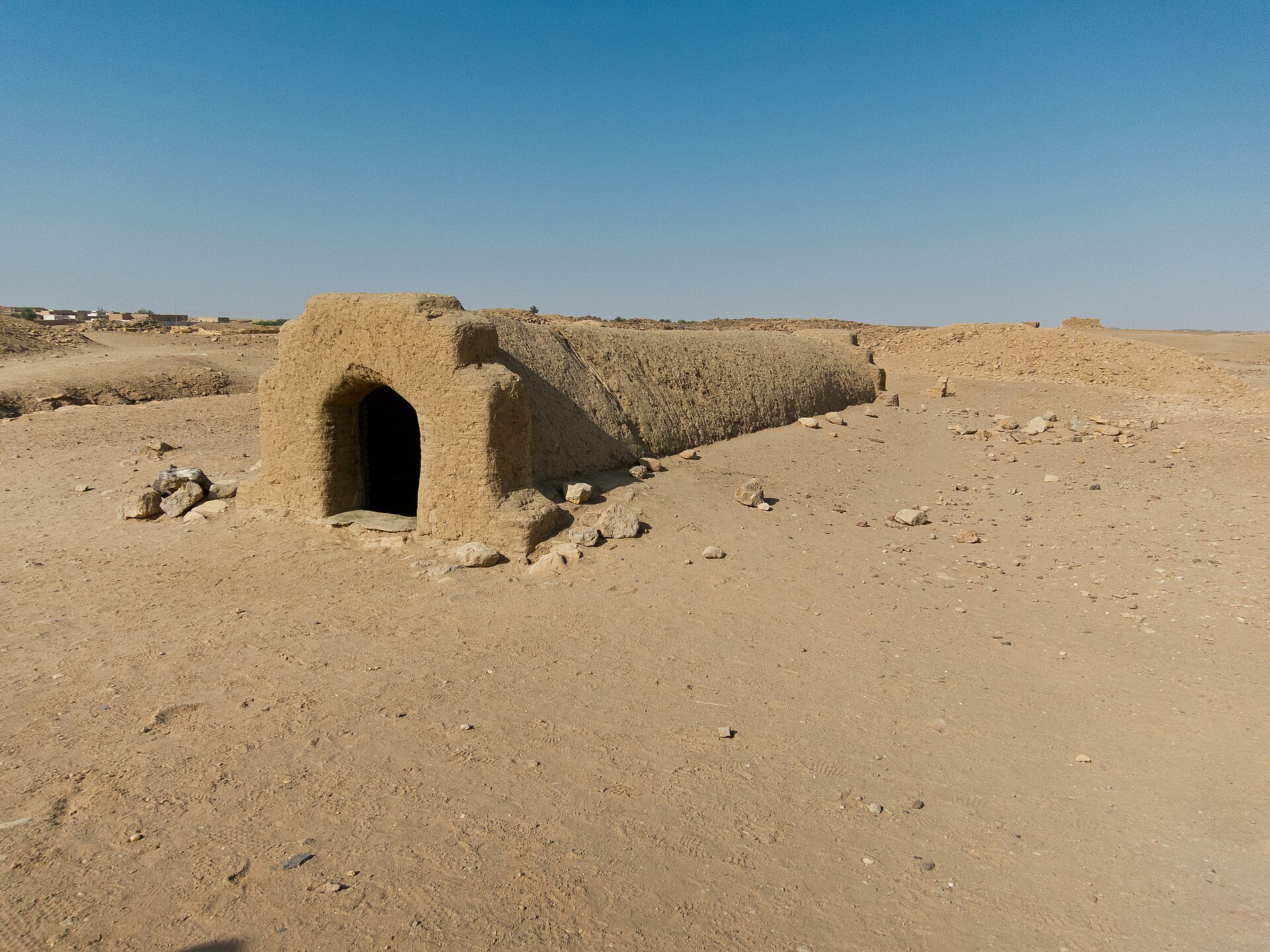
El-Kurru is one of those rare places where history feels almost tangible. Tucked away in the sun-scorched hills near the modern Sudanese town of Karima, this ancient necropolis was once part of the Kingdom of Kush, a powerful civilization that thrived alongside—and at times even ruled over—Ancient Egypt. The ruins here, though less famous than their Egyptian counterparts, carry an undeniable weight. These pyramids, smaller but no less significant, mark the resting places of Kushite rulers whose legacy shaped a vast and often overlooked chapter of African history.
The site served as a royal burial ground between the 8th and 4th centuries BCE, a period when Kush was at its height. Unlike the pyramids of Egypt, built exclusively for pharaohs, those at El-Kurru were constructed for both kings and queens who governed not just Nubia but also Egypt itself during the so-called 25th Dynasty. This was an era when Kushite rulers like Piye and Shabaka united vast territories under their rule, with their capital at Napata located just a short distance away. The pyramids here are a testament to their power, though their steep, narrow profiles differ sharply from the broader, more gradual slopes of Giza. The structures stand as silent witnesses to a time when Kush was a dominant force in the ancient world.
What makes El-Kurru particularly striking is the way its architecture defies expectations. The pyramids here are sharper, their bases narrower and their sides more vertical, giving them an almost needle-like appearance. Some remain remarkably intact, while others have succumbed to the ravages of time, their stones scattered across the desert floor. Among the most notable is the pyramid of King Tanwetamani, the last ruler of the 25th Dynasty, whose tomb was looted in antiquity but still bears traces of faded murals and carvings. Inside a few of the pyramids, fragments of paintings depict gods, hunting scenes, and visions of the afterlife—glimpses into how the Kushites imagined eternity.
Beyond the pyramids, El-Kurru holds other surprises. The site includes the graves of horses and chariots, a rare find that underscores the importance of these animals in Kushite culture. Horses were symbols of prestige and authority, often buried alongside their owners to accompany them into the next world. Archaeologists have uncovered the remains of dozens of horses here, along with the remnants of ornate chariots adorned with gold and precious stones. Such discoveries are uncommon in other necropolises, making El-Kurru a unique window into the rituals and beliefs of the Kushite elite.
Visiting El-Kurru is less about ticking off a tourist attraction and more about stepping into a landscape steeped in time. The surrounding desert is quiet, broken only by the occasional gust of wind or the cry of a distant bird. In this stillness, it’s easy to imagine the solemn processions that once wound their way through these hills, the murmurs of priests, and the final rites performed for kings and queens. Even now, the site retains a sense of reverence, respected by locals who view it as a sacred place. There are no crowds, no vendors, no modern distractions—just the raw, unfiltered presence of history.
For centuries, El-Kurru remained overshadowed by Egypt’s more famous monuments. It wasn’t until the 19th and 20th centuries that archaeologists began to uncover its secrets, revealing not just tombs but also stelae, statues, and everyday objects that have helped piece together the story of Kush. Among the most intriguing finds are inscriptions in the Meroitic script, a language still not fully deciphered but one that has provided invaluable insights into Kushite society. Each discovery here adds another layer to our understanding of a civilization that once rivaled Egypt in influence and ambition.
Reaching El-Kurru isn’t straightforward. The journey from Karima cuts through the desert, and while the site is accessible, the infrastructure is minimal. There are no visitor centers, no cafes, no signs pointing the way—just the open expanse of the Sahara and the ruins themselves. This lack of development might deter some, but for those willing to make the trip, it offers an experience few places can match. Here, history isn’t curated or commercialized; it’s simply there, waiting to be discovered.
Sudan remains one of the least-visited countries in the world, and El-Kurru is just one of many remarkable sites that lie off the beaten path. Yet it’s places like this that make traveling here so rewarding. There’s a sense of authenticity that’s hard to find elsewhere, a chance to stand among ancient stones without the noise of mass tourism. For anyone with an interest in African history, El-Kurru is a must-see. It’s a rare opportunity to witness the legacy of Kush in its purest form—a civilization that shaped an empire and left behind a quiet, enduring testament to its greatness.