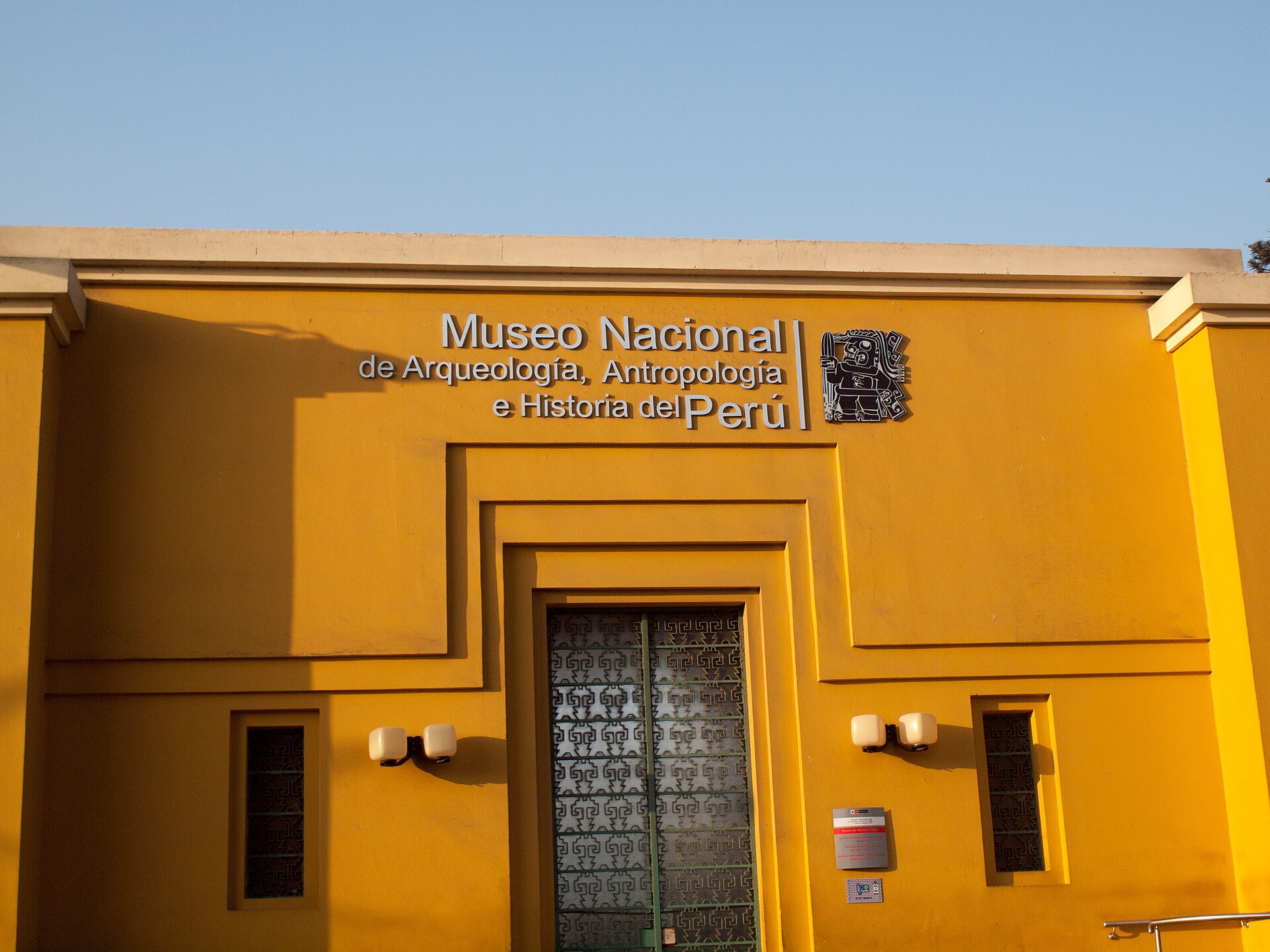
Lima’s National Museum of Archaeology, Anthropology, and History is where Peru’s past takes on tangible form. Housed in the historic Pueblo Libre district, the museum isn’t just a collection of artifacts—it’s a journey through the layers of civilization that shaped the country. Founded in the late 19th century, when Peru was first beginning to reflect on its cultural roots, the museum has grown into a place where history feels alive, offering visitors a chance to connect with the foundations of Peruvian identity.
The building itself is part of the story. Originally the palace of Peru’s viceroys, constructed in the 18th century, its architecture blends colonial grandeur with neoclassical touches. Thick walls, soaring ceilings, and sunlit courtyards evoke the era when Lima was the heart of a vast Spanish empire. Inside, faded frescoes and intricate plasterwork hint at the power and opulence of colonial rule, making the space feel like a bridge between past and present.
The museum’s collection spans over ten thousand years, from the earliest coastal settlements to the rise of the Inca Empire and the arrival of Europeans. Here, you’ll find ceramics from the Chavín culture, delicate Paracas textiles, and gold ornaments crafted by the Moche. The Inca artifacts are particularly striking, including the enigmatic *quipu*—knotted strings that served as a form of record-keeping, still not fully deciphered by scholars. Mummies from the Nazca desert and reconstructed burial sites offer glimpses into ancient rituals, revealing how deeply spirituality was woven into daily life.
One of the most compelling sections is dedicated to the Inca Empire. The exhibits include objects unearthed at Machu Picchu and other major sites, alongside colonial documents that chronicle the Spanish conquest. Weapons, clothing, tools, and even human remains paint a vivid picture of Inca society—its organization, craftsmanship, and resilience. The ceramics, in particular, stand out; each piece is a work of art, reflecting the myths, aesthetics, and practical needs of a civilization that thrived in the Andes.
But the museum doesn’t stop at antiquity. It also explores later periods, from colonial rule to the struggle for independence and the formation of modern Peru. Portraits of conquistadors and revolutionaries, including documents signed by Simón Bolívar, sit alongside everyday objects from Lima’s creole elite. The city’s history as a melting pot of European, African, and Indigenous traditions is woven into the exhibits, showing how these influences shaped Peru’s cultural landscape.
For those interested in anthropology, the museum offers a deeper look at Peru’s living traditions. Exhibits on Amazonian and Andean communities feature traditional clothing, musical instruments, and religious artifacts, illustrating how Indigenous cultures have preserved their heritage despite centuries of change. Recordings of folk music and documentary films bring these stories to life, offering a rare glimpse into the rhythms of rural and jungle life.
A visit here is more than just a walk through galleries—it’s an experience. The museum’s spacious, well-lit halls invite slow exploration, free from the crowds that often overwhelm tourist sites. Temporary exhibitions occasionally highlight new research or lesser-known aspects of Peruvian history, while lectures and seminars provide a platform for archaeologists and anthropologists to share their latest discoveries.
The museum is especially rewarding for travelers who have already visited Cusco, Machu Picchu, or the Nazca Lines. Seeing artifacts from those sites in a broader context helps connect the dots—how the Moche, Paracas, and Inca cultures interacted, influenced one another, and laid the groundwork for modern Peru. What might have seemed like isolated wonders suddenly become part of a larger narrative, where each civilization contributes to the country’s rich historical tapestry.
More than just a repository of relics, the National Museum of Archaeology, Anthropology, and History is a place where the past feels immediate. Whether you spend an hour or an afternoon here, each visit reveals something new. For Peruvians, it’s a place of memory; for foreigners, it’s a key to understanding a country where history is never far from the surface. In a world that often prioritizes the new, this museum reminds us why preserving the old matters—because it’s what makes a place, and its people, truly unique.