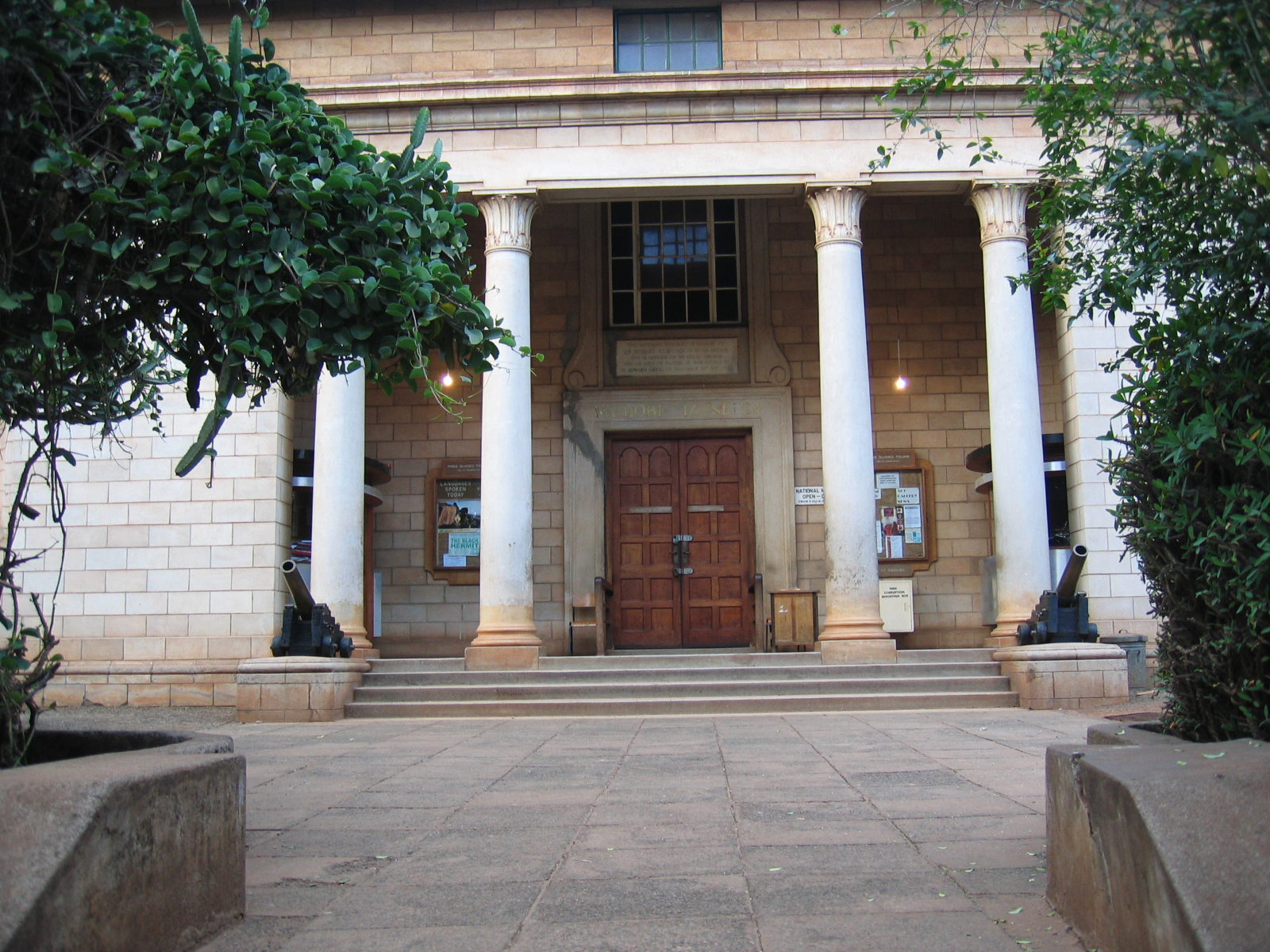
Nairobi’s National Museums of Kenya are more than just a collection of artifacts—they’re a place where the country’s layered past comes alive in unexpected ways. Housed in a sprawling complex that once served as the colonial administration’s headquarters, the museum now holds thousands of objects that tell the story of Kenya’s people, landscapes, and traditions. Walking through its galleries, you move through time: from the bones of prehistoric creatures to the handcrafted tools of the Maasai and Kikuyu, from colonial-era documents to the works of contemporary Kenyan artists. Each exhibit feels like a thread in a larger tapestry, one that weaves together the many forces that have shaped the nation.
The building itself is a quiet witness to history. Constructed in the early 1900s, it blends British colonial architecture with subtle local influences—high ceilings, arched windows, and wide verandas that invite in the light and air. The stone walls and wooden beams carry the weight of the past, a reminder of the decisions made within these halls when Kenya was still under foreign rule. The inner courtyard, shaded by arcades, offers a place to pause, especially on hot afternoons when the cool stone and rustling leaves provide a moment of respite.
One of the museum’s most striking exhibits is the skeleton of Homo erectus, discovered near Lake Turkana. Dating back over a million and a half years, this ancient ancestor is a cornerstone of African paleontology, a tangible link to the origins of humanity. The anthropology galleries expand on this theme, displaying tools, fossils, and artifacts that trace the earliest chapters of human evolution. It’s a humbling experience to stand before these remnants of the past, knowing that this land was once home to some of the first people to walk the earth.
Kenya’s natural world takes center stage in the museum’s halls of natural history. Here, taxidermied animals stand frozen in lifelike poses—elephants, lions, giraffes, and rhinos, alongside rare birds and insects found nowhere else. The most immersive display is a diorama of the Maasai Mara, a vast tableau of the savanna with its golden grasses and scattered acacia trees. The exhibit captures the essence of Kenya’s wildlife, explaining why the country is often called the "cradle of biodiversity." For those who may never venture into the bush, these displays offer a glimpse of the landscapes that define Kenya.
The cultural galleries are a celebration of the country’s ethnic diversity. More than forty communities are represented here, each with their own traditions, crafts, and ways of life. You’ll find intricately beaded jewelry, ceremonial masks, and musical instruments, as well as everyday objects like woven baskets and carved stools. One of the most vivid exhibits is a reconstructed Maasai village, complete with thatched huts and traditional tools, giving visitors a sense of how this semi-nomadic people have adapted to the harsh beauty of the savanna. Other displays explore the rituals, myths, and social structures of Kenya’s many cultures, revealing how deeply they’re tied to the land.
The museum isn’t just about the past—it’s also a space for contemporary voices. Rotating exhibitions showcase the work of Kenyan painters, photographers, and sculptors, often tackling themes like urbanization, identity, and social change. Lectures, film screenings, and workshops bring together artists, scholars, and the public to discuss the issues shaping modern Kenya. This blend of old and new makes the museum feel alive, a place where history isn’t just preserved but actively engaged with.
For those who want to dig deeper, the museum’s library holds a wealth of resources. Rare books on East African history, anthropology, and art line the shelves, alongside colonial-era documents that shed light on Kenya’s complex journey to independence. Researchers and students often spend hours here, poring over primary sources, but casual visitors can also browse the collection, flipping through illustrated guides to local customs or old maps of the region.
Just steps from the main building, the museum’s botanical garden offers a different kind of education. Here, plants from across Kenya grow in carefully tended plots—medicinal herbs, towering trees, and vibrant flowers, many of which play a role in local traditions. The garden is especially lush during the rainy season, when the air is thick with the scent of blooming jasmine and the paths are lined with emerald foliage. It’s a quiet place to wander, a living extension of the museum’s mission to preserve and share Kenya’s natural heritage.
A visit to the National Museums of Kenya is less about ticking off sights and more about slowing down to absorb the stories embedded in the land. There’s no rush here, no crowds jostling for the best view. Instead, the museum invites you to linger, to reflect on the layers of history that have shaped this country. Whether you’re drawn to the ancient fossils, the vibrant cultures, or the sheer diversity of Kenya’s landscapes, the experience feels like a conversation—one that connects the past to the present, and the visitor to the place.