The Lapua Military History Museum shows how war shaped the lives of ordinary Finns. Located in a small town in western Finland, it doesn’t celebrate conflict. Instead, it reveals how war reshapes daily life—changing landscapes, livelihoods, and even language.
Lapua’s history made it the right place for this museum. In the early 1900s, the region became a center for Finnish nationalism, where ideas of independence grew. Later, it saw fighting during the Winter War and World War II. Locals recall trenches and evacuations, but also the long work of rebuilding homes and fields afterward. The museum holds both sides of this story—the harshness of war and the quiet strength of those who endured it.
The exhibits aren’t organized by date. They’re a mix of objects, documents, and personal stories that feel raw and unfiltered. You’ll see uniforms from different eras, weapons from old rifles to newer arms, and battle maps where survival often mattered more than strategy. Photographs show generals next to farmers in uniform, their faces worn but resolute. The museum doesn’t simplify the past—it leaves the contradictions, the complexity, the human side.
One section focuses on the Lapua Movement of the 1930s, a right-wing political group that influenced Finland between the wars. The museum doesn’t take sides. It presents facts, propaganda, and personal accounts, letting visitors decide for themselves. This approach defines the whole space—history isn’t a single story, but something to explore, question, and experience.
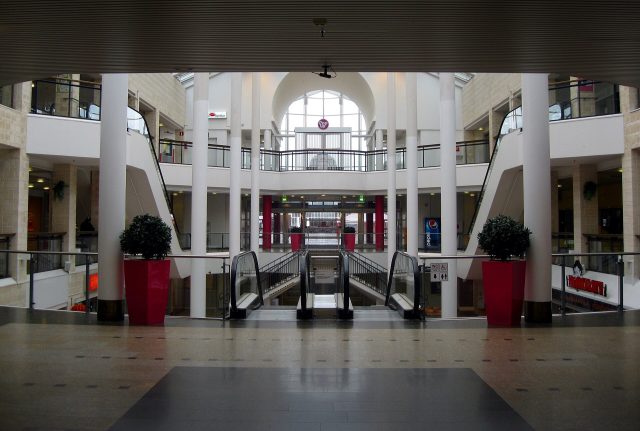
The building itself tells part of the story. A solid stone house with thick walls and high ceilings, it feels like a place where memories have gathered over time. Inside, the rooms are open, giving visitors space to pause at whatever draws them in. There’s no set path. You might spend minutes reading a soldier’s letter home or studying a hand-drawn map, wondering about the person who made it.
For those curious about how Finland stayed neutral through the 20th century, the museum offers a layered view. It doesn’t just cover conflicts with the Soviet Union—it also looks at internal divisions, diplomacy, and the slow, uneven path to peace. The materials on the Lapland War of 1944–1945 stand out. Here, Finns first retreated with German forces, then fought against them—a difficult chapter that still divides opinions. The museum shows different perspectives, because history is rarely simple.
If you expect tanks on display and dramatic exhibits, Lapua might surprise you. There’s no spectacle, just real objects. A soldier’s coat. A letter from the front. A photograph of a ruined house. Each item is a piece of someone’s life. The museum doesn’t try to shock or impress. It asks you to think: How does war change people? Why do different people remember the same events differently? What does it take to rebuild?
Lapua is a town with its own quiet history. After the museum, walk the streets. Visit a café. Sit by the Lapuanjoki River. The area is peaceful now, but look closely—traces of the past remain. Old wooden houses still stand. Memorials mark key moments. Street names hint at events that once shaped the town. The museum helps you see these signs, turning a quiet Finnish town into a place where history feels alive, not just stored away.
The museum is open to everyone. You don’t need to know Finland’s history to visit. Whether you’re deeply familiar with the country or just starting to learn, you’re welcome. There’s no set route—spend as much time as you like with any exhibit. What stays with you might not be facts, but a quiet appreciation for those who defended this land and those who kept their memory alive.