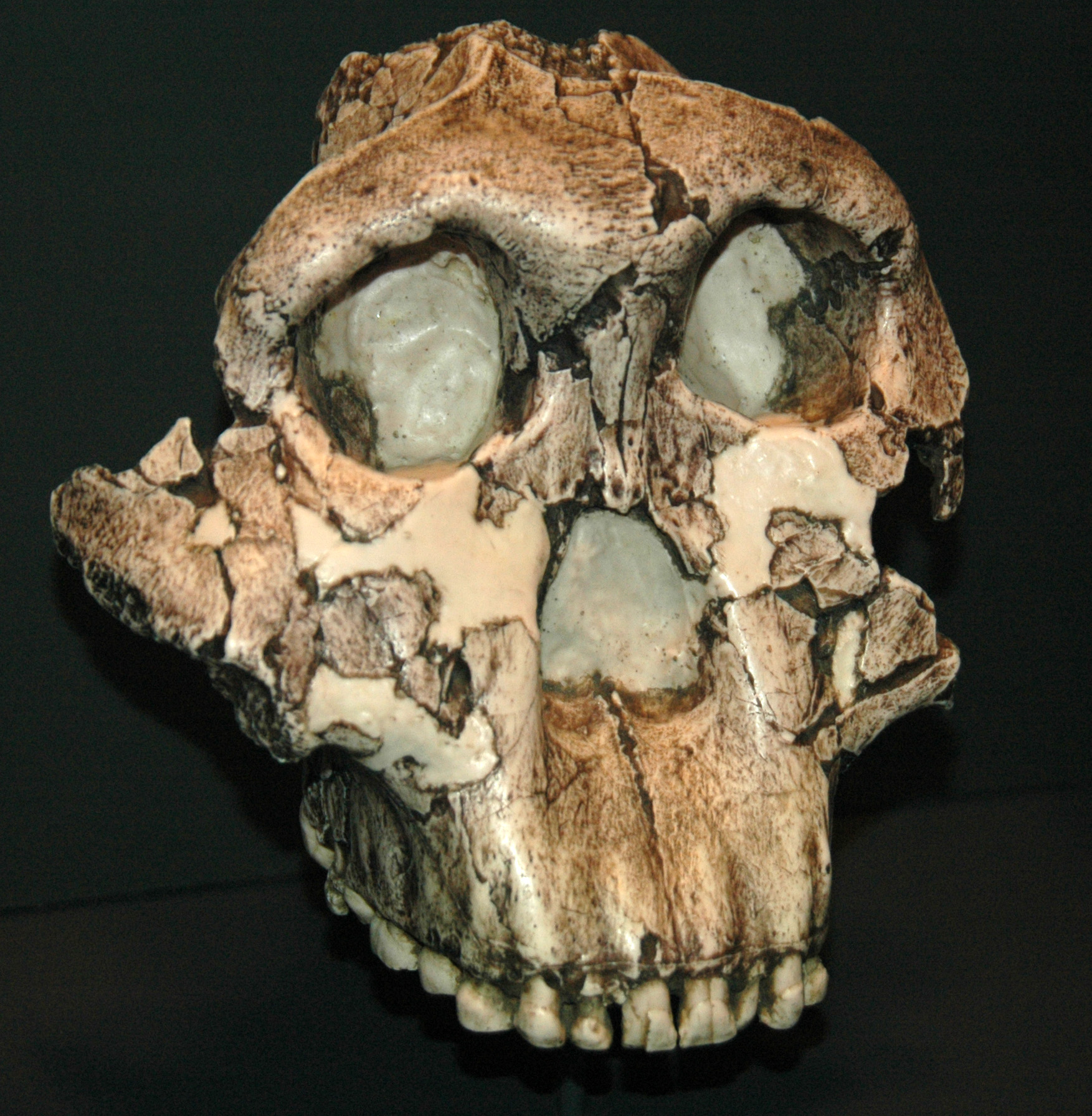
The Olduvai Gorge Museum sits in the vast expanse of northern Tanzania, where the earth tells a story older than humanity itself. Nestled within the Great Rift Valley, this place feels like a threshold between the present and the distant past, where the ground beneath your feet has witnessed the very origins of our species. The gorge itself is a natural archive, its layers of sediment preserving millions of years of evolution, climate shifts, and the slow emergence of early humans. It was here, in the 1950s and 60s, that paleoanthropologists Mary and Louis Leakey uncovered fossils and stone tools that rewrote our understanding of human history. Their discoveries—including the remains of *Australopithecus* and *Homo habilis*—proved that Africa, not Asia or Europe, was the cradle of humankind.
The museum, established in the 1970s, is modest in size but rich in significance. Its exhibits are straightforward, focusing on the tangible evidence of our ancestors: casts of skulls, replicas of ancient tools, and dioramas depicting the landscapes of the past. A cross-section model of the gorge, with its color-coded geological strata, offers a visual timeline of the region’s transformation—from lush forests to arid savannas—and how these changes shaped the lives of early hominins. There are no flashy displays or digital screens, just the quiet weight of artifacts that have reshaped scientific thought. The museum’s simplicity forces you to engage with the material on a deeper level, to consider the vast stretches of time that separate us from the beings who once walked this land.
A visit to the gorge itself is a journey into the heart of the discovery. The drive from the museum winds through the Serengeti’s outskirts, where zebras graze and acacia trees stand sentinel over the plains. When the gorge finally comes into view, its narrow cleft in the earth reveals the raw layers of history, exposed by erosion and time. Guides point out the exact spots where the Leakeys and later researchers unearthed fossils, explaining how each find added another piece to the puzzle of human evolution. Standing at the edge of the gorge, it’s impossible not to feel the weight of the place—the knowledge that this was where some of the first steps toward modern humanity were taken.
The atmosphere here is one of quiet reverence. There are no crowds, no distractions, just the sound of wind rustling through the dry grass and the occasional call of a bird. The landscape feels untouched, as if the passage of millions of years has left it suspended in time. This isn’t a place for idle sightseeing; it’s a space for reflection. You’re standing on the same ground where our earliest ancestors once lived, hunted, and shaped the first tools. The realization is humbling—how fragile life is, how vast the timeline of our existence, and how much we still don’t know about where we came from.
Olduvai Gorge is more than a tourist stop; it’s an active site of scientific inquiry. Excavations continue to this day, with each season bringing new insights into our shared past. For Tanzania, the gorge holds a special place in the national identity. It’s a source of pride, a reminder that the country’s soil holds answers to one of humanity’s most profound questions: how did we come to be? The museum and the gorge together offer a rare opportunity to connect with that question, even if only for a moment.
The region around Olduvai is also home to the Maasai, whose way of life has remained largely unchanged for centuries. Their presence adds another layer to the story of this place. While the gorge speaks of ancient history, the Maasai represent a living tradition, a culture that has endured alongside the land. Visitors might see herders guiding their cattle across the plains or women selling beaded jewelry near the museum, a reminder that the past and present coexist here in unexpected ways.
Reaching Olduvai requires effort. The journey from Arusha takes several hours, and the museum itself is basic—no cafes, no gift shops, just a small parking area and a few informational signs. But that’s part of what makes the experience meaningful. This isn’t a place for convenience or entertainment; it’s for those willing to step outside the familiar and confront the raw, unfiltered history of our species. The lack of modern comforts only sharpens the sense of connection to the land and its ancient stories.
Olduvai Gorge doesn’t offer easy answers, but it does offer perspective. It reminds us that human history is a long, winding path, and that we are just one chapter in a much larger narrative. Standing at the edge of the gorge, with the wind carrying the scent of dry earth and the sun casting long shadows over the savanna, it’s impossible not to feel small—and yet, in some strange way, deeply connected to the past. This is a place where time feels both infinite and immediate, where the echoes of our origins are still palpable in the land itself.