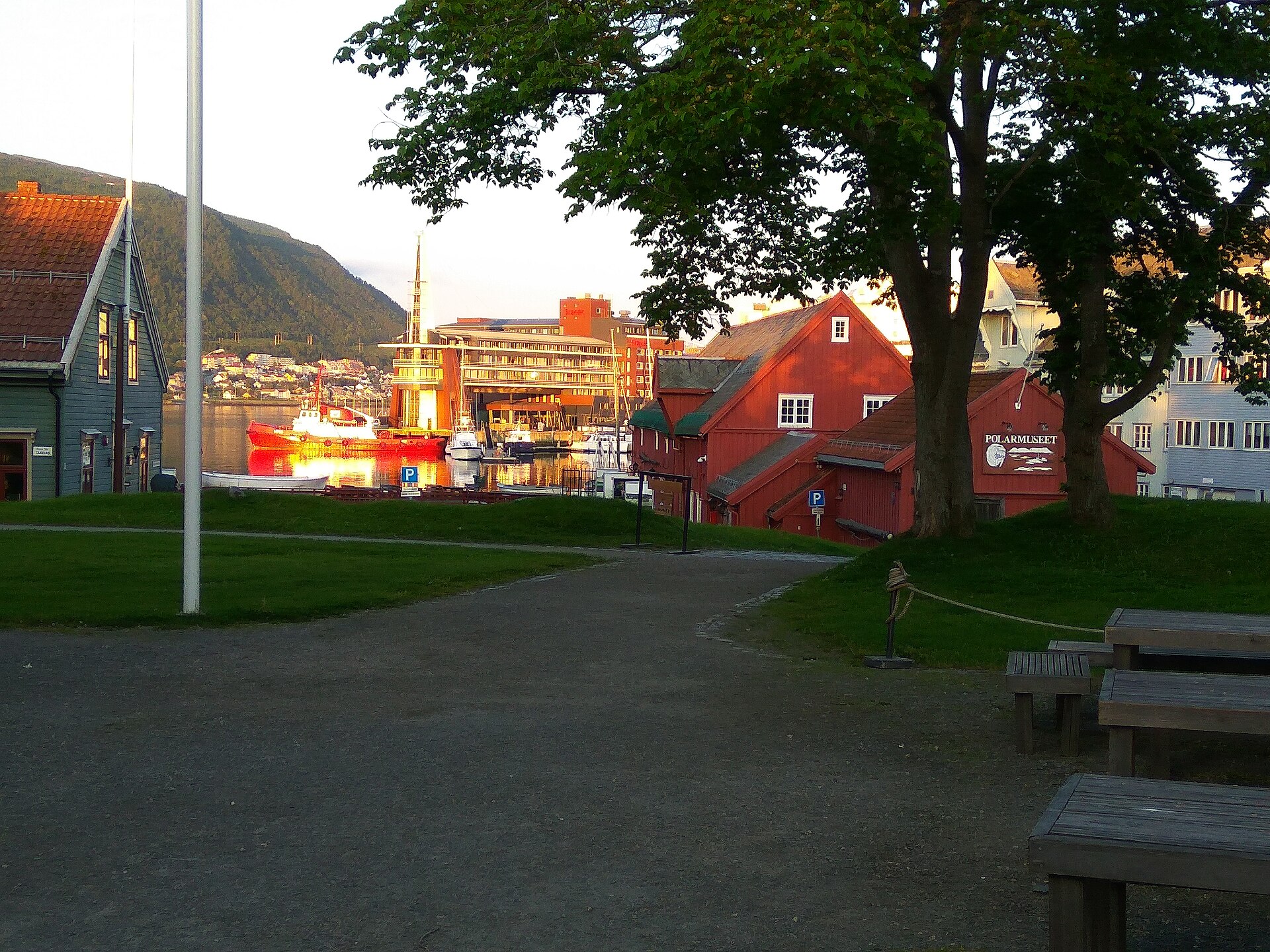
Tromsø Museum isn’t just another building filled with artifacts—it’s a place where the raw, often harsh history of the North takes on tangible form. Nestled in the heart of the city, it feels less like a tourist attraction and more like a quiet keeper of stories, holding the memories of those who have lived in these lands for centuries, from the indigenous Sámi to the Norwegian settlers who followed. There’s no flashy signage or crowded halls here, just a sense of stillness that lets the past speak for itself.
Founded in the late 19th century, the museum began as a repository for Sámi artifacts, a way to preserve the culture of the Arctic’s indigenous people. Over time, its collections grew to include everyday objects from Norwegian settlers, relics from early Arctic expeditions, and even specimens of the region’s unique flora and fauna. Walking through its galleries, you’ll see intricately patterned Sámi clothing, the kind worn for generations in ceremonies and daily life. There are old wooden boats, once used to navigate the fjords, and tools that belonged to the first explorers who ventured into the polar wilderness. Each item carries the weight of real lives lived in a place where survival was never guaranteed.
One of the museum’s most compelling sections is dedicated to the polar expeditions that made Tromsø famous as the "Gateway to the Arctic." This was the starting point for many legendary journeys, including those of Roald Amundsen and Fridtjof Nansen, whose names are synonymous with Arctic exploration. The exhibits here bring their stories to life—not just through maps and photographs, but through personal belongings: a compass that once guided a ship through ice, a diary entry scribbled in the dim light of a cabin, a pair of gloves worn on a trek across frozen tundra. The museum doesn’t just tell you about these expeditions; it lets you feel the uncertainty, the determination, and the sheer audacity of those who set out into the unknown.
The building itself is worth a closer look. Constructed in the early 20th century, it blends traditional Norwegian architecture with subtle Art Nouveau influences. Thick stone walls and large windows let in soft northern light, while wooden beams add warmth to the space. Inside, the layout is intuitive, guiding visitors through the exhibits without overwhelming them. There’s a deliberate lack of clutter—no dense blocks of text or overcrowded displays. Instead, the museum relies on visual storytelling, letting the objects and their arrangement do the talking.
While the museum is deeply rooted in history, it doesn’t ignore the present. In recent years, new exhibits have explored the modern challenges facing the Arctic, from climate change to the impact of tourism on fragile ecosystems. There are displays on how today’s residents of the North—whether Sámi, Norwegian, or newcomers—are adapting their traditions to a rapidly changing world. Tromsø has long been a crossroads of cultures, and the museum reflects that, showing how different ways of life coexist in one of the planet’s most extreme environments.
The museum takes on a different character with the seasons. In summer, it buzzes with temporary exhibitions, lectures on Arctic wildlife, and workshops where visitors can try their hand at traditional Sámi crafts. There are even concerts featuring joik, the ancient Sámi form of song, which fills the halls with haunting melodies. Winter, though, is when the museum feels most intimate. With the polar night pressing against the windows, the soft glow of lamps and the quiet rustle of pages in the reading room create a sense of timelessness. It’s easy to lose track of the hours here, especially when the rest of the world feels far away.
For those who want to dig deeper, the museum’s library is a treasure trove. It houses rare books on Arctic history and ethnography, some in Sámi, others in Norwegian, English, or German. There are old maps, too, drawn before the Arctic was fully charted, when blank spaces still held mysteries. The staff are knowledgeable and approachable, often sharing insights that don’t make it into guidebooks—small details that make the past feel more immediate.
What makes Tromsø Museum special isn’t just its collections, but the way it invites you to engage with them. There’s no rigid path to follow, no pressure to see everything at once. You can linger over a single exhibit for as long as you like, or skip past something that doesn’t catch your eye. The real draw is the sense of connection—whether to the people who once used these objects, the explorers who risked everything for discovery, or the land itself. It’s the kind of place that stays with you long after you’ve left, a quiet reminder of the North’s enduring spirit.