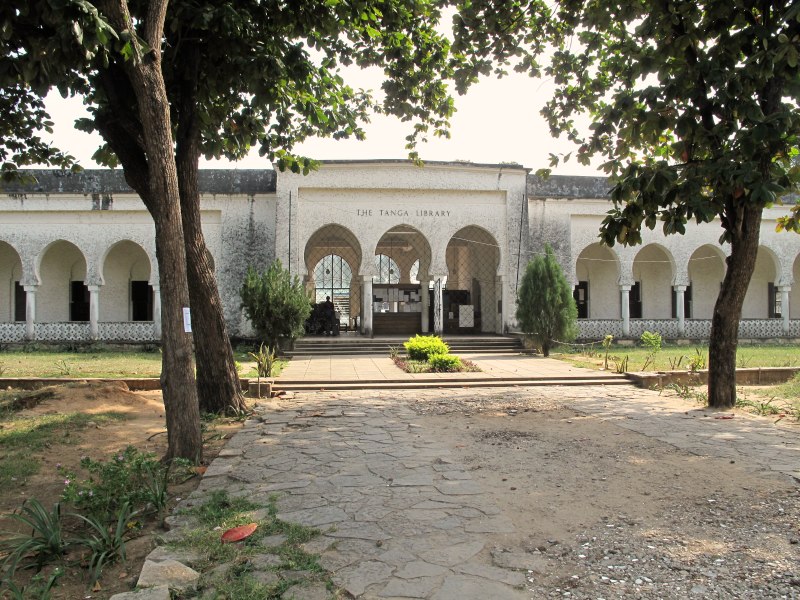
The Tanga Museum is one of those quiet places that doesn’t announce itself with grand facades or tourist crowds, yet it holds pieces of history that tell a story far larger than its modest size suggests. Located in the coastal city of Tanga, in northeastern Tanzania, the museum occupies a low-slung building that was once part of the German colonial administration. The structure itself is unassuming—whitewashed walls, high ceilings, and large windows that let in the humid sea air—but its past is layered with the complexities of East Africa’s colonial era. Built in the early 20th century, it served as a customs house before being repurposed into a museum, a shift that reflects Tanga’s own transformation from a bustling colonial port to a quieter, more introspective town.
Inside, the museum’s collection is small but carefully curated, offering a glimpse into the region’s past through artifacts that span centuries. There are traditional tools and weapons from the local tribes, including the Digo and the Bondei, whose communities have long inhabited the coastal and inland areas around Tanga. These objects—spears, wooden carvings, and intricately woven baskets—speak to a way of life that predates the arrival of European traders and colonizers. Nearby, displays of Swahili pottery and beads hint at the centuries-old trade networks that connected Tanga to the wider Indian Ocean world, where goods, ideas, and cultures flowed between Africa, Arabia, and Asia.
One of the museum’s most striking sections is dedicated to the German colonial period, which left an indelible mark on Tanga. The city was a key administrative and military hub for the Germans in East Africa, and the museum doesn’t shy away from this history. There are photographs of German officers and local laborers, maps of colonial infrastructure projects like the Usambara Railway, and even remnants of the short-lived German East African currency. The displays don’t glorify the era but present it as it was—complex, often brutal, and formative in shaping the region’s modern identity. For visitors familiar with Tanzania’s struggle for independence, these exhibits provide a tangible connection to the forces that shaped the nation.
Beyond the colonial artifacts, the museum also touches on Tanga’s role in World War I, when the city became a battleground in the East African campaign. The conflict here was unlike the trench warfare of Europe; instead, it was a war of movement, with German forces under Paul von Lettow-Vorbeck using guerrilla tactics to tie down British and Allied troops for years. The museum’s exhibits include military uniforms, weapons, and personal items from soldiers on both sides, as well as photographs of the ruined buildings that once stood in Tanga. The war’s legacy is still visible in the city today, from the crumbling German bomas to the stories passed down through generations.
What makes the Tanga Museum particularly compelling is its focus on the everyday lives of the people who lived through these historical upheavals. There are displays of traditional clothing, musical instruments, and household items that paint a picture of how ordinary Tanzanians adapted to the changes brought by colonialism, war, and eventually, independence. A collection of old photographs shows Tanga’s streets in the early 20th century, bustling with merchants, porters, and sailors from around the world. These images are a reminder that history isn’t just about grand events or famous figures—it’s also about the people who walked those streets, worked in those buildings, and shaped the city’s character over time.
The museum’s coastal focus is another highlight, reflecting Tanga’s deep connection to the sea. Exhibits on fishing traditions, boat-building techniques, and the region’s maritime trade routes underscore how the Indian Ocean has long been a lifeline for the city. There are models of dhows, the traditional sailing vessels that have plied these waters for centuries, as well as displays on the spices, ivory, and slaves that once passed through Tanga’s port. The museum doesn’t romanticize this history—it acknowledges the darker aspects of the trade while also celebrating the resilience of the coastal communities that survived and thrived despite these challenges.
Visiting the Tanga Museum is a low-key experience, the kind that rewards those who take their time. There are no flashy multimedia displays or guided tours on demand, just a quiet space where history feels close enough to touch. The staff, often local historians or enthusiasts, are usually happy to share stories or point out details that might otherwise go unnoticed. The museum’s location in the heart of Tanga also makes it a natural starting point for exploring the city. Afterward, you can wander down to the waterfront, where the old German customs house still stands, or stroll through the nearby market, where the same Swahili and Indian Ocean influences that shaped the museum’s collections are still alive in the spices, fabrics, and languages you’ll hear.
For those who know Tanzania primarily through its wildlife or its famous northern safari circuits, the Tanga Museum offers a different perspective—one that’s rooted in the country’s coastal and colonial history. It’s a place that doesn’t try to compete with the grandeur of Stone Town in Zanzibar or the archaeological wonders of Kilwa, but instead carves out its own niche as a repository of local memory. In a country where history is often overshadowed by the allure of its natural beauty, the museum serves as a quiet reminder that Tanzania’s past is just as rich and complex as its landscapes. Whether you’re a history buff, a traveler looking to dig deeper, or simply someone who appreciates the stories that lie beneath the surface, the Tanga Museum is worth the time.