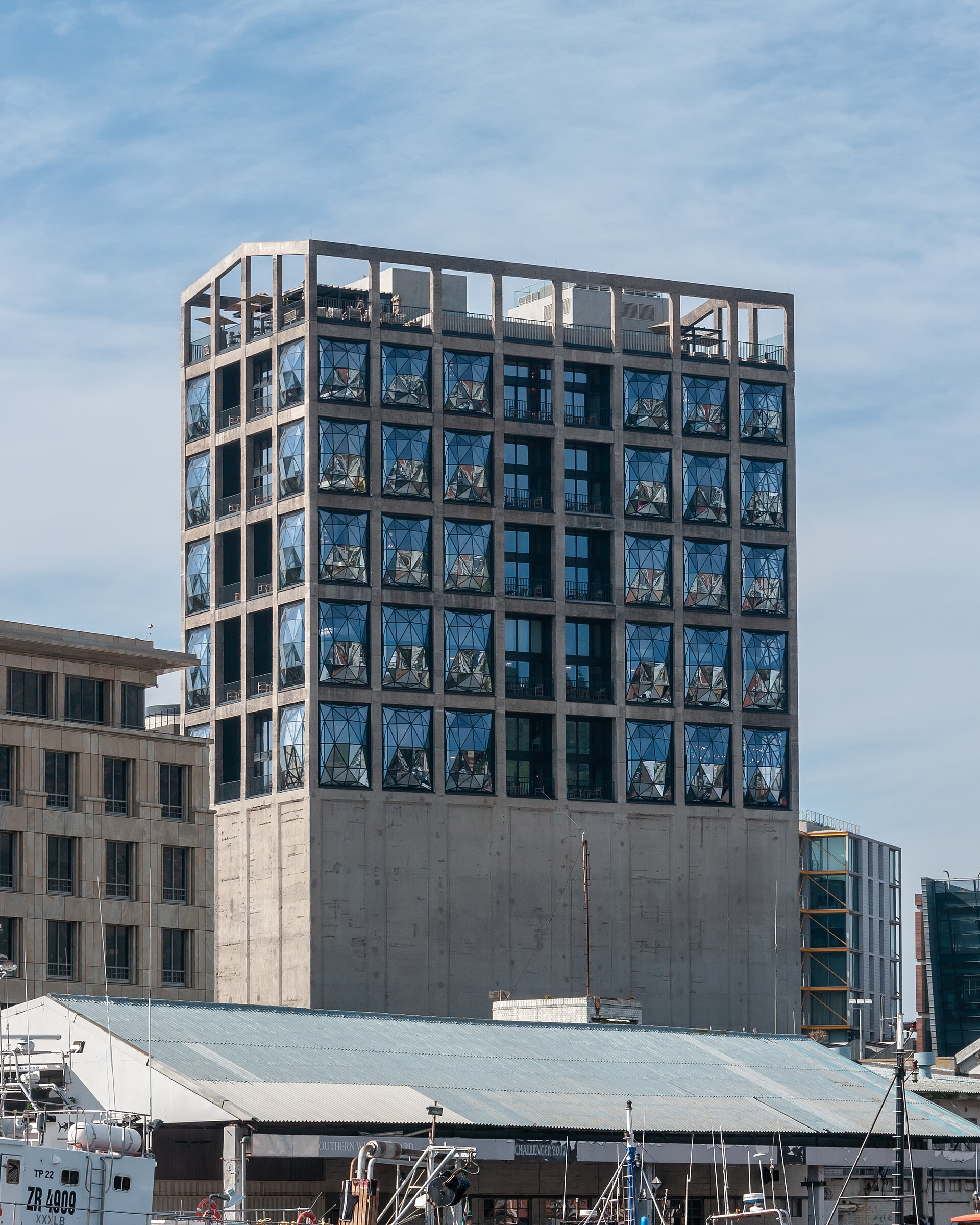
Cape Town’s contemporary art museum isn’t just a place to see art—it’s a space where ideas collide, provoke, and linger. Housed in a repurposed industrial building, the museum feels more like a workshop for the mind than a traditional gallery. High ceilings, exposed beams, and generous natural light create an atmosphere where the art isn’t overshadowed by its surroundings. The architecture itself is understated, almost industrial, letting the work take center stage without pretension.
The museum emerged from Cape Town’s need for a platform that could keep pace with the restless energy of contemporary art. Unlike institutions bound by tradition, it was designed to evolve alongside artistic movements, prioritizing living artists whose work often grapples with urgent social and political questions. The collection isn’t static; it grows through direct engagement with creators, many of whom use their art to challenge, question, or reimagine the world around them.
What sets this museum apart is its refusal to be confined by geography or medium. Paintings, sculptures, video installations, and immersive works coexist, but the strongest thread running through the collection is its connection to South Africa’s complex history. Many local artists confront themes of postcolonial identity, racial inequality, and the lingering shadows of apartheid. These pieces don’t offer easy answers—they demand attention, spark debate, and sometimes unsettle. Yet the museum isn’t insular. Alongside South African voices, you’ll find international artists whose work resonates with or contrasts against the local context, creating a dialogue that feels both global and deeply personal.
Visitors aren’t passive observers here. The museum thrives on interaction, whether through hands-on workshops, artist talks, or temporary installations that invite participation. Some exhibits encourage touch, alteration, or even collaboration, blurring the line between creator and audience. This approach makes art feel immediate, almost alive, rather than something preserved behind glass. Even the more conventional exhibitions avoid stuffiness. Curators often pair unexpected works, favoring bold juxtapositions over safe, academic presentations. Some shows spill beyond the walls, incorporating live performances or music, turning the museum into a stage for experimentation.
The crowd reflects this openness. Students from nearby art schools debate the latest trends in the café, while tourists encounter African contemporary art for the first time. Locals drop in casually, as if the museum were just another part of the city’s cultural rhythm. There’s no single way to experience it—some come for the big names, others for the quiet corners where lesser-known artists challenge perceptions. The museum doesn’t dictate how you should feel about what you see; it simply offers the space to engage, question, or even walk away unsettled.
In recent years, the museum has extended its reach beyond its physical walls. Outdoor exhibitions, collaborations with other cultural institutions, and educational programs for schools have woven it into Cape Town’s broader creative fabric. The city itself is a place where history and modernity coexist uneasily, and the museum often acts as a bridge between the two. It doesn’t shy away from difficult conversations, but neither does it claim to have all the answers. Instead, it provides a platform for artists to ask questions—about memory, justice, identity—that resonate far beyond South Africa’s borders.
For those who assume contemporary art isn’t for them, this museum might surprise. There are no neat narratives or didactic labels telling you what to think. The art here doesn’t just hang on walls; it pushes, pulls, and sometimes even shouts. Some pieces will leave you cold, others might haunt you for days. That unpredictability is part of the point. The museum doesn’t exist to confirm what you already know—it’s a place to discover something new, whether about the world or yourself. And in a city as layered as Cape Town, that feels like exactly the right approach.