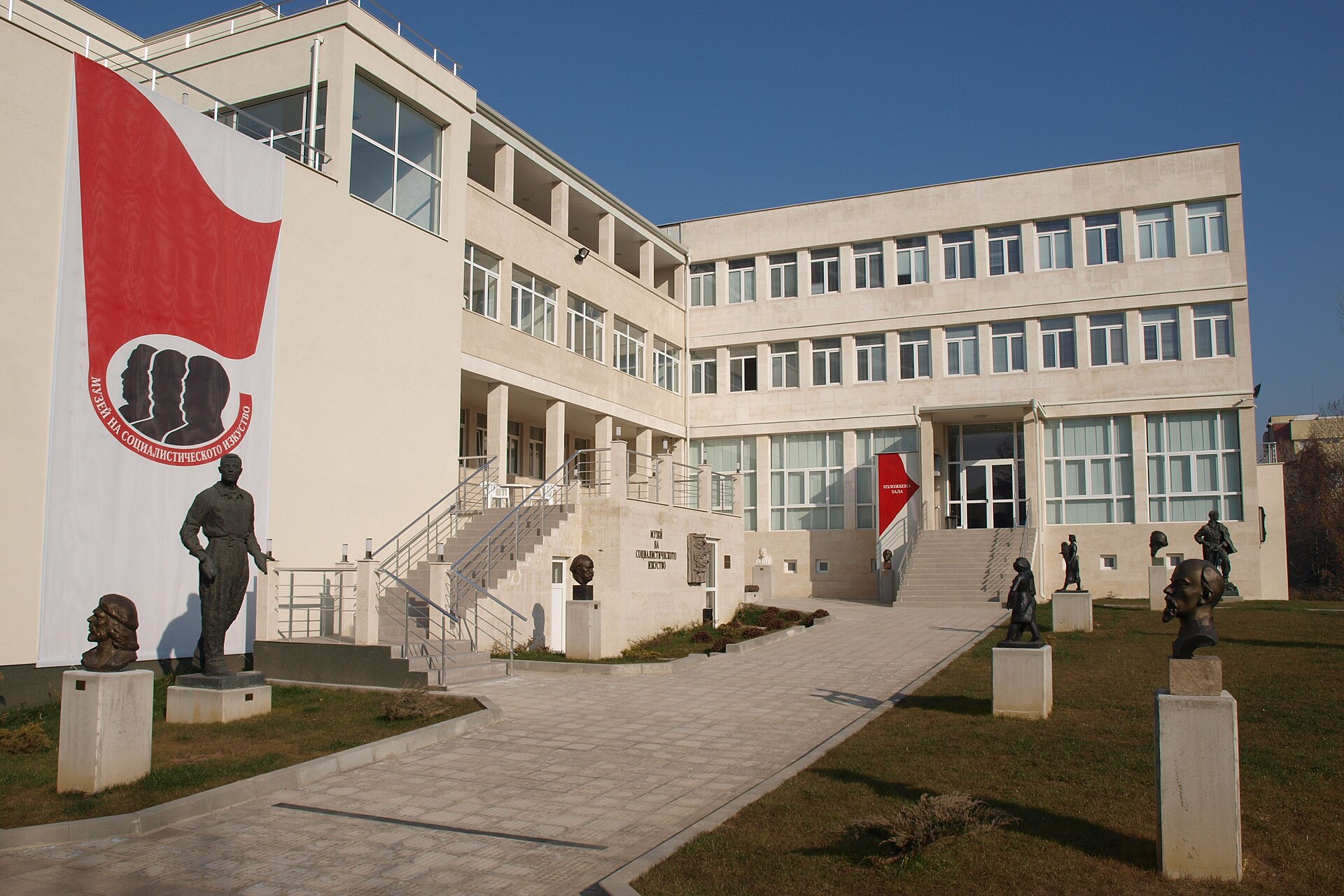
The Museum of Socialist Art in Sofia is one of those places where history feels tangible, not just preserved but somehow still alive. Tucked away in the southern part of the city, it doesn’t sit in the middle of tourist routes, which makes stumbling upon it feel like uncovering a quiet secret. The museum isn’t just a collection of artifacts; it’s a space where Bulgaria’s recent past is laid bare, stripped of nostalgia but not of its weight. For those who lived through the era, it might stir memories. For others, it offers a glimpse into a time that shaped the country in ways that are still visible today.
The museum opened in 2011, a relatively recent addition to Sofia’s cultural landscape, but its contents span decades. The outdoor sculpture garden is the first thing that greets visitors—a striking assembly of monumental statues, busts, and reliefs that once stood in public squares across Bulgaria. The most imposing is the towering figure of Lenin, his arm outstretched as if still addressing the masses. Nearby, a stern-faced Georgi Dimitrov, Bulgaria’s first communist leader, gazes into the distance. These statues were removed from their original locations after 1989, when the country transitioned away from socialism, and their relocation here wasn’t just about preservation. It was an act of reckoning, a way to acknowledge the past without letting it dominate the present.
Inside the museum, the exhibition continues with a mix of propaganda art, everyday objects, and multimedia displays. The paintings and sculptures follow the familiar tropes of socialist realism—workers with determined expressions, farmers harvesting golden wheat, soldiers standing guard. The style is unmistakable, heavy with symbolism and idealism, but the context makes it fascinating. These weren’t just artworks; they were tools, designed to inspire, educate, and unify. Some pieces feel dated now, almost quaint in their earnestness, while others retain a strange power, especially when you consider how deeply they were woven into the fabric of daily life.
One of the most compelling sections is dedicated to the cult of personality surrounding Todor Zhivkov, who ruled Bulgaria for over three decades. Portraits of him hang alongside photographs of his public appearances, where he’s surrounded by adoring crowds or shaking hands with foreign dignitaries. The displays don’t shy away from the contradictions of the era—economic struggles, political repression, and the gap between the image projected by the state and the reality experienced by ordinary people. It’s a reminder that history isn’t monolithic; it’s made up of countless perspectives, some of which were deliberately erased at the time.
The museum also includes a small cinema showing documentary footage from the socialist period. Watching these films, you get a sense of the rhythm of life back then—the parades, the speeches, the carefully choreographed celebrations. There’s something surreal about seeing Sofia’s streets filled with people marching in unison, their faces a mix of pride and obligation. The footage isn’t just historical; it’s human, capturing moments of joy, boredom, and even absurdity. It’s easy to forget that behind the grand narratives of ideology and power, there were real people living real lives, making do with what they had.
What makes the Museum of Socialist Art more than just a repository of relics is its refusal to simplify the past. It doesn’t glorify the era, nor does it dismiss it outright. Instead, it presents the artifacts as they are—sometimes impressive, sometimes unsettling, often contradictory. The outdoor sculptures, for instance, are both works of art and symbols of a regime that no longer exists. Their removal from public spaces was a necessary step for a country redefining itself, but their preservation here ensures that the conversation about that era doesn’t end. It’s a delicate balance, and the museum manages it by letting the objects speak for themselves.
Visiting the museum can feel like stepping into a time capsule, but it’s also a reminder of how quickly history moves on. The Bulgaria of today is a far cry from the one depicted in these exhibits, yet traces of the past linger in unexpected ways—in the architecture of Sofia’s neighborhoods, in the political debates that still reference the socialist years, in the memories of those who remember what it was like to live under a system that promised so much and delivered so little. The museum doesn’t provide easy answers, but it does offer something valuable: a chance to reflect on how the past shapes the present, even when we’d rather forget it.
For those who didn’t grow up in Bulgaria, the museum might feel like a history lesson. For others, it’s a mirror. Either way, it’s a place that invites you to look closer, to question what you see, and to consider the stories that aren’t always told. The Museum of Socialist Art isn’t just about the past; it’s about how we remember it, how we interpret it, and what we choose to carry forward. In that sense, it’s as much about the present as it is about history.