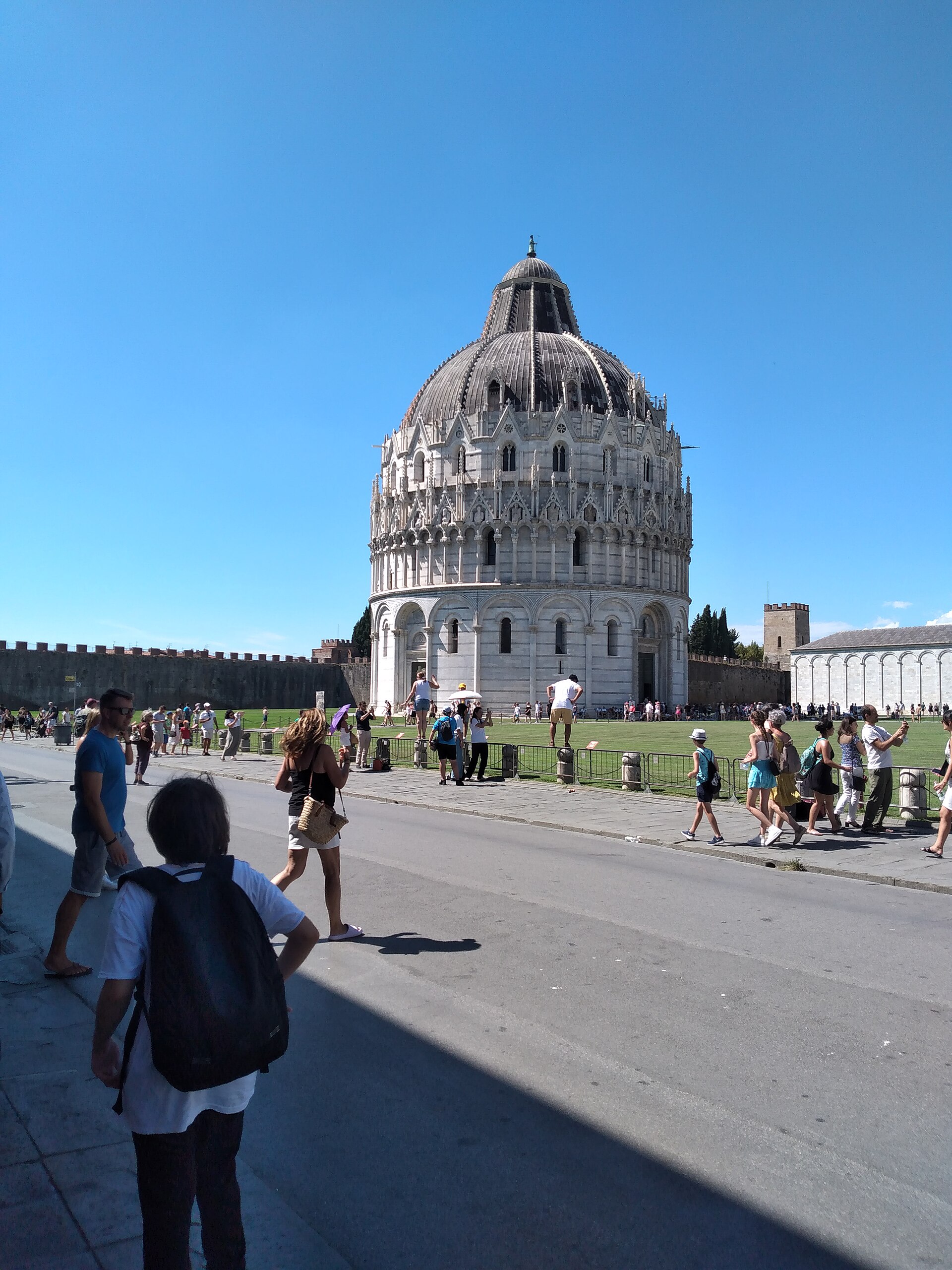
The Sinopie Museum in Pisa is one of those places that doesn’t reveal itself at first glance but lingers in your memory long after you’ve left. Tucked away in the former Santa Chiara hospital, just across from Pisa’s famous cathedral, it feels as though time has stood still here since the Middle Ages. The museum takes its name from *sinopia*—the red ochre underdrawings artists once used to sketch their frescoes before applying the final layers of plaster. These preliminary designs, usually hidden beneath the finished work, are displayed here in all their raw, unpolished glory, offering a rare glimpse into the creative process behind some of Italy’s most celebrated art.
The museum’s story is deeply intertwined with that of the cathedral itself. In the mid-20th century, restorers working on the frescoes of the Camposanto—Pisa’s monumental cemetery adjacent to the cathedral—discovered these ancient sketches beneath layers of paint and plaster. Many dated back to the 14th century, created by anonymous masters whose names history has forgotten but whose skill remains undeniable. The sinopie aren’t just preparatory drawings; they’re windows into the artist’s mind, revealing hesitations, revisions, and the evolution of a composition. It’s like stepping into a workshop where masterpieces were born, where every stroke tells a story of trial and error.
The building that houses the museum is a piece of Pisa’s history in its own right. The Santa Chiara hospital, founded in the 12th century, once provided shelter for pilgrims and the sick. Its architecture is a testament to medieval Tuscany: thick stone walls, vaulted ceilings, and narrow windows that let in just enough light to cast a soft glow over the exhibits. Inside, fragments of old frescoes still cling to the walls, now sharing space with the sinopie brought here from the Camposanto. The museum is small but thoughtfully arranged, allowing visitors to examine each detail without feeling crowded.
Among the most striking sinopie are those for the frescoes that once adorned the Camposanto’s walls. One of the most famous is the underdrawing for *The Triumph of Death*, attributed to the workshop of Buonamico Buffalmacco. Here, you can see the artist wrestling with the composition—skeletons rising from graves, the living recoiling in horror. The lines aren’t perfect, but that’s what makes the sketch so compelling. It feels urgent, as if the artist was racing to capture an idea before it slipped away. Another notable piece is the sinopia for *The Last Judgment*, a dramatic scene of angels sounding trumpets and sinners being cast into hell. The drawing lacks the refinement of a finished work, yet its power is undiminished.
What makes the Sinopie Museum special isn’t just the art on display but the chance to see creativity in its purest form. There are no polished masterpieces here, only the raw, unfiltered beginnings of them. Each mark on these walls offers a glimpse into the doubts and decisions of the artists who made them. It’s a place for those who want to understand not just the final product but the process behind it—to feel the pulse of the Middle Ages, when art was inseparable from faith and daily life.
A visit to the museum pairs well with a stroll through the Piazza dei Miracoli, where the cathedral, baptistery, and Leaning Tower stand. The Camposanto, from which the sinopie were moved, is just steps away. Its cloistered courtyard, lined with arches, was once covered in frescoes, fragments of which now reside in the museum. Walking through these spaces, you begin to see Pisa not just as the city of the famous tower but as a center of art and culture, where every stone holds a story from the past.
Unlike Pisa’s more crowded attractions, the Sinopie Museum remains a quiet, understated gem. There’s rarely a rush here, and you can take your time studying the exhibits without feeling hurried. The lighting is soft, designed to protect the fragile drawings, and the atmosphere is intimate. It doesn’t feel like a place built for tourists; it feels like a space for those who genuinely want to connect with history.
Time moves slowly here, and that’s as it should be. The sinopie demand patience—you have to stop, look closely, and let the details reveal themselves. This isn’t a place for those in a hurry. It’s for travelers who appreciate silence, who want to step away from the noise of the modern world and lose themselves in the past. In an age where everything seems to move too fast, the Sinopie Museum reminds us that some things are timeless. They wait, quietly, for those willing to listen.