Kazanlak sits at the heart of Bulgaria’s Rose Valley, a place where the air itself seems infused with the scent of history. For over three centuries, this quiet town has been the center of rose cultivation, producing the world-renowned damask rose, whose petals yield the precious rose oil used in perfumes and cosmetics. The Rose Museum here isn’t just a collection of artifacts—it’s a tribute to a tradition that has shaped the region’s identity, economy, and even its sense of self.
Housed in a 19th-century mansion, the museum’s building reflects the architectural style of the era when Kazanlak was emerging as a hub of rose production. Thick stone walls, wooden beams, and intricately carved ceilings set the stage for a journey through time. The story begins with the rose’s arrival in Bulgaria, likely brought by Ottoman merchants in the 16th century, though large-scale cultivation didn’t take off until the 18th century. That was when the region began distilling rose oil, a product that quickly found its way into European markets, prized for its unmatched fragrance.
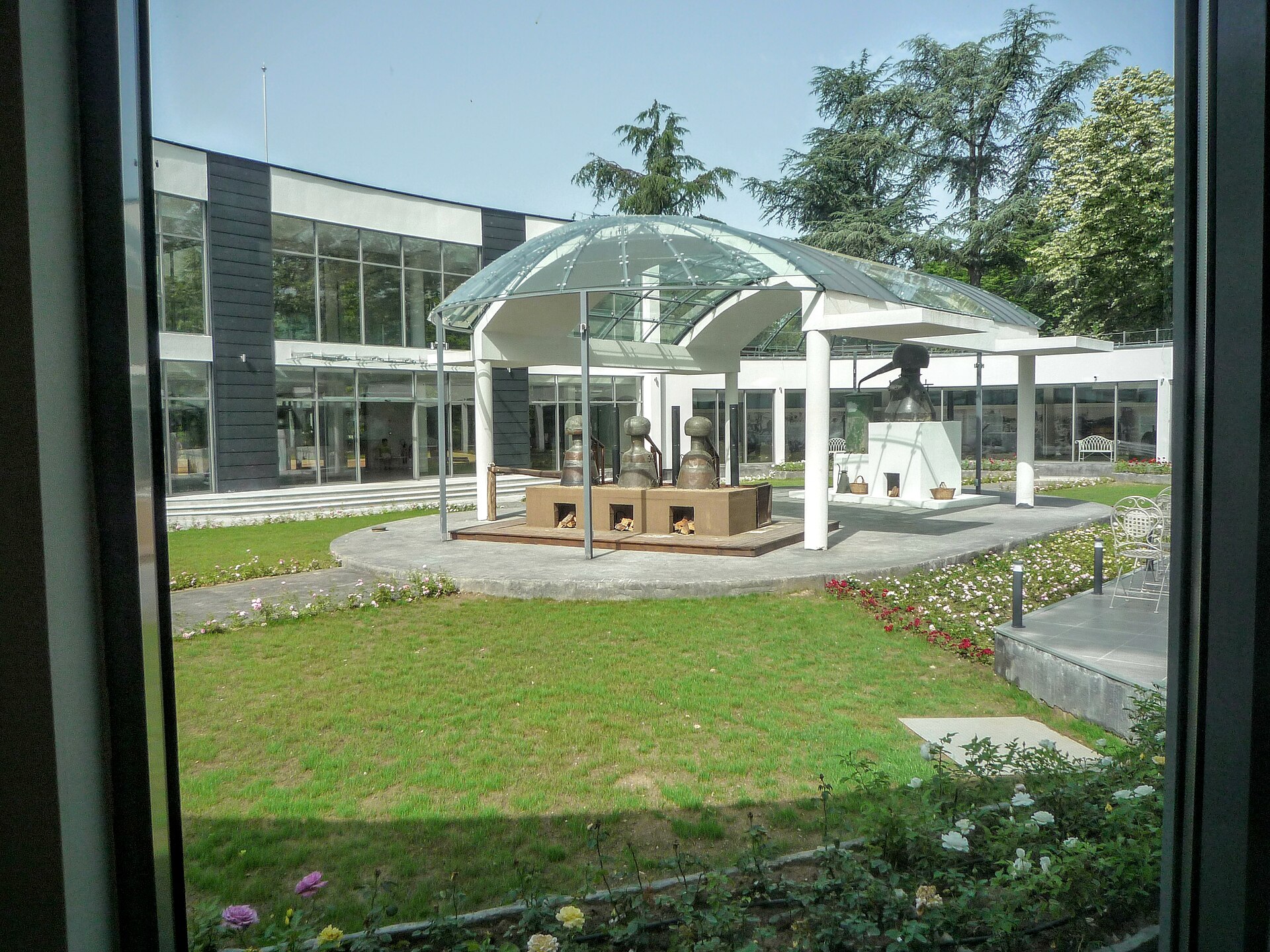
Inside, the exhibits unfold like chapters in a book. Old photographs, documents, and tools reveal the labor-intensive process of rose harvesting and oil extraction. The centerpiece is a collection of copper stills—clumsy yet elegant contraptions where petals were transformed into liquid gold. The work was painstaking: it took about three kilograms of petals to produce just one gram of oil. Harvesting was a family affair, with women and children rising before dawn to pluck the flowers by hand, when their scent was at its strongest.
But the museum goes beyond the mechanics of production. It shows how the rose wove itself into the fabric of daily life, from folk traditions to modern industry. One display features vintage wedding dresses embroidered with rose motifs, while another showcases bottles of rose water, still used in households today. A separate section is dedicated to the annual Rose Festival, held every June, when Kazanlak bursts into color and celebration. Costumes, photographs, and recordings of folk songs bring the festival’s energy to life, illustrating how deeply the rose is embedded in local culture.
Outside, a small garden grows the same rose varieties cultivated in the valley—Kazanlak’s damask rose, the white Bulgarian rose, and others. In bloom, the air is thick with their perfume, a sensory reminder of why this flower became more than just a crop. Nearby, a workshop demonstrates how petals are turned into soap, oil, or jam, crafts passed down through generations. These traditions aren’t relics; they’re living skills, still practiced in homes across the valley.
The Rose Valley isn’t just about roses. Lavender, mint, and other fragrant plants grow here too, but none have left the same mark. The museum captures how a simple flower became a symbol of resilience and pride, turning hard labor into an art form. Modern exhibits highlight today’s innovations—laboratories developing new rose varieties, local factories producing cosmetics—but the heart of the story remains unchanged. It’s about continuity, about how the past lingers in every petal picked and every drop of oil distilled.
A visit here is more than a tour; it’s an immersion in a place where the rose is woven into the land itself. You might spend an hour or linger for half a day, depending on how deeply you want to explore. The museum’s shop sells rose oil, soap, and other handmade products, but the real takeaway is an understanding of why Kazanlak’s roses endure. They’re not just a crop or a commodity—they’re a legacy, one that continues to bloom with every passing season.