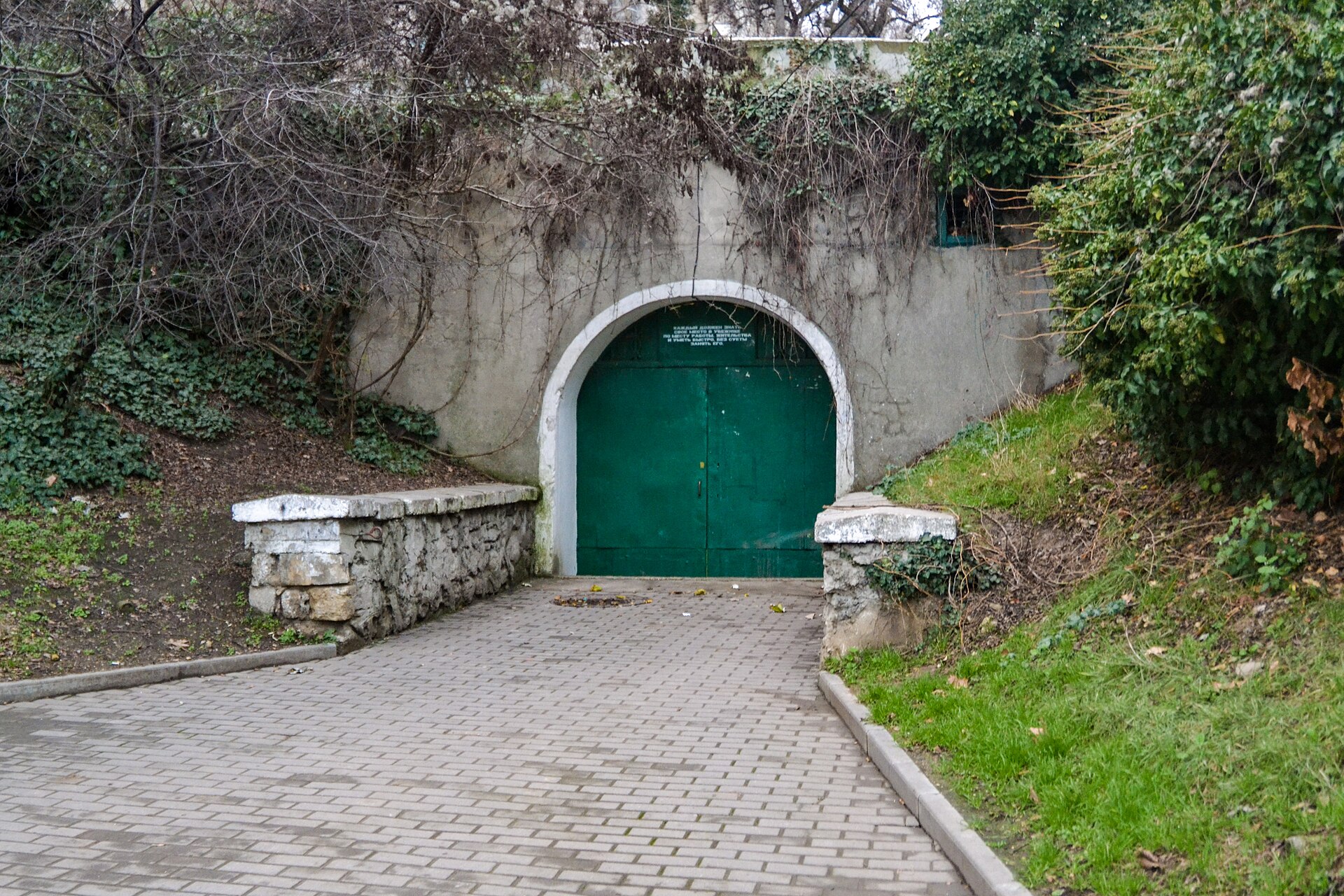
Sevastopol has always been a city defined by its resilience, a place where history isn’t just remembered—it’s lived. The Underground Sevastopol Museum offers a rare glimpse into that past, not through polished exhibits behind glass, but through the very spaces where the city’s fate was once decided. Beneath the streets, in the cool, dim corridors carved into rock, the layers of Sevastopol’s military history unfold in a way that feels immediate, almost tangible. These tunnels and chambers weren’t built for show; they were built for survival, and that purpose still lingers in the air.
The museum occupies a network of underground structures that evolved over centuries, each addition a response to the threats the city faced. Sevastopol’s location on the Black Sea made it a prize worth fighting for, and its defenders knew it. From the early 19th century, when the first tunnels were dug in anticipation of the Crimean War, to the desperate days of World War II, when entire communities took refuge underground, these spaces were designed to keep the city alive. The earliest galleries, narrow and low-ceilinged, were meant to shelter soldiers and supplies during sieges. Walking through them now, it’s easy to imagine the weight of the earth above, the silence broken only by the distant rumble of artillery.
The Crimean War marked a turning point for Sevastopol’s underground defenses. The city’s 11-month siege in 1854–55 was a brutal lesson in endurance, and the tunnels played a crucial role in keeping the garrison supplied and connected. Some of the museum’s most striking features date from this period—cramped storerooms where gunpowder and food were kept, command posts where officers coordinated defenses, and even makeshift hospitals where wounded soldiers were treated. The walls still bear the marks of time, their rough surfaces a reminder that these weren’t just military installations, but places where people lived, worked, and died.
By the time of the Second World War, Sevastopol’s underground network had grown far more complex. The city’s 250-day defense against Nazi forces pushed its subterranean infrastructure to its limits. What had once been simple tunnels became a labyrinth of life-support systems: underground factories producing ammunition, hospitals treating the wounded, and command centers directing the resistance. The museum recreates some of these spaces, offering a sense of how people adapted to life beneath the surface. There are no grand displays here, just the raw reality of what it took to hold out against overwhelming odds. The air feels heavier in these sections, as if the weight of history itself has settled into the stone.
Yet the museum isn’t just about war. It also tells the story of how ordinary life persisted alongside the constant threat of conflict. During peacetime, the tunnels served as storage for food and water, or as shelters for civilians during air raids. Some exhibits show the tools and household items people used to make these spaces livable—lanterns, cooking utensils, even children’s toys. It’s a reminder that history isn’t just about battles and heroes; it’s also about the quiet resilience of those who kept going when the world above was falling apart. The museum doesn’t glorify war; it humanizes it, showing how people coped with fear and deprivation while clinging to some semblance of normalcy.
Visiting the museum is an experience unlike most others. There are no bright lights or spacious halls, just the cool, damp air of the underground and the echo of footsteps on stone. The dim lighting casts long shadows, making the past feel closer than it should. Guides don’t just recite facts; they share stories—of the soldiers who spent months in these tunnels, of the civilians who took shelter here, of the engineers who designed systems to keep them alive. It’s the kind of place where history stops being something you read about and starts feeling like something you’ve stepped into. The weight of the past isn’t just observed; it’s almost palpable.
What makes the museum particularly compelling is the way it connects Sevastopol’s past to its present. Many of the city’s underground structures are still in use today, some maintained by the military, others repurposed for modern needs. This continuity is a reminder that Sevastopol’s strategic importance hasn’t faded. The city’s identity is still shaped by its role as a fortress, a place where defense and daily life have always been intertwined. The museum doesn’t just preserve history; it shows how that history still shapes the city’s character, how the lessons of the past are never really left behind.
For anyone curious about how cities endure, or how people adapt to the most extreme circumstances, the Underground Sevastopol Museum is a revelation. It’s not a place for passive observation. Here, you don’t just learn about history—you walk through it. The tunnels force you to slow down, to pay attention to details that might otherwise go unnoticed: the rough texture of the walls, the way sound carries differently underground, the faint drafts that hint at other passages beyond. It’s a rare opportunity to experience history not as a distant narrative, but as something almost physical, something that lingers in the air and under your fingertips. In a city where the past is never far away, this museum makes it feel alive.