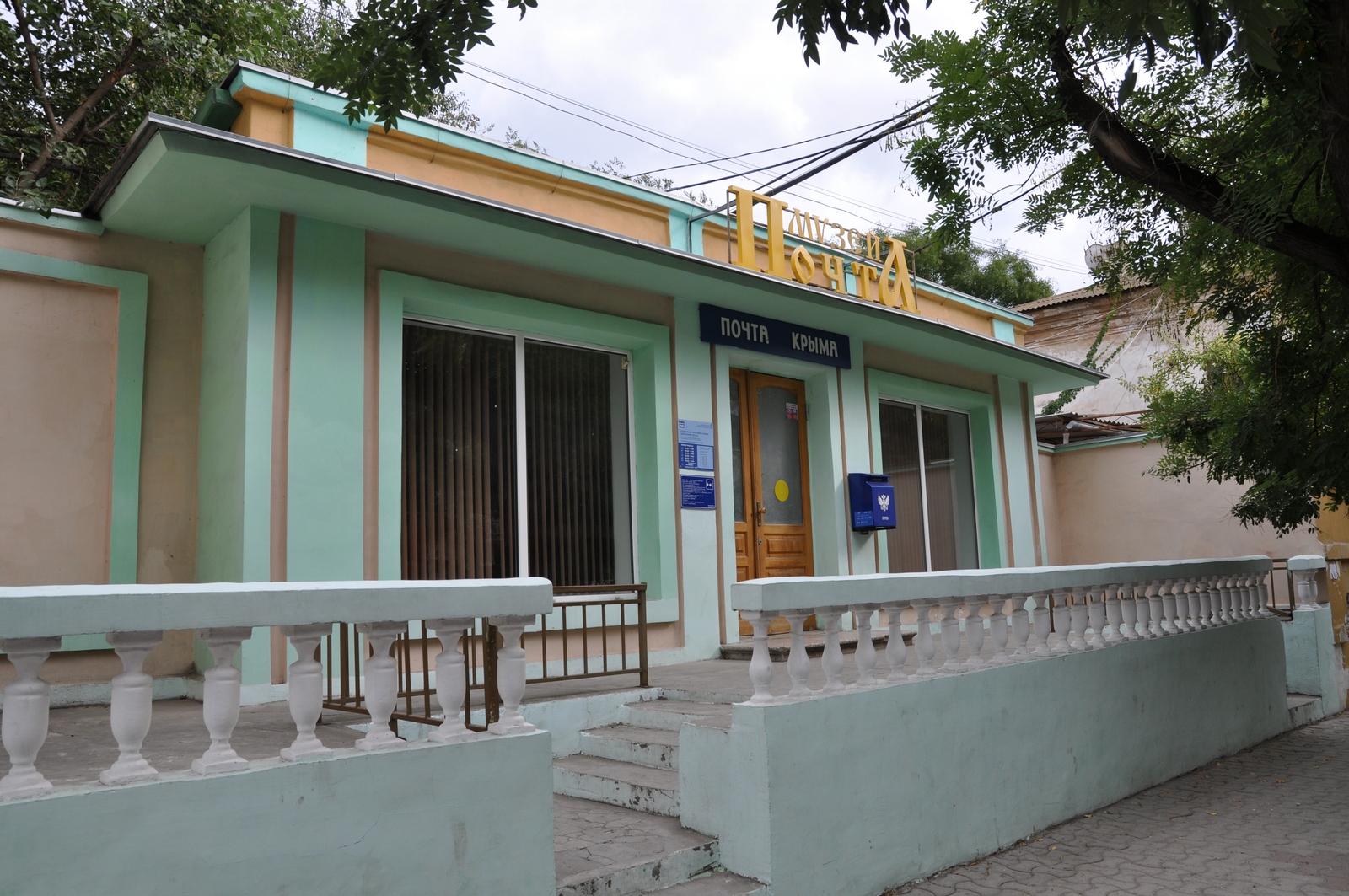
The Postal Museum in Yevpatoria is one of those quiet places that tell history not through grand events or famous names, but through the small, everyday details that shaped how people connected with one another. Housed in a historic building that once served as the city’s post office, the museum carries the weight of time in its walls—you can almost hear the echoes of voices from a century ago, the rustle of letters being sorted, the clatter of stamps being pressed onto envelopes. It’s a place where the past feels tangible, not because of dramatic reenactments, but because the very air seems to hold the memories of those who once relied on this simple, vital service.
Yevpatoria’s postal history stretches back to the 19th century, when the city emerged as a key trading and resort hub on the Black Sea coast. Back then, the postal system wasn’t just a convenience—it was a lifeline, linking Crimea to the rest of the empire. The first post stations appeared under the Russian Empire, evolving over time to keep pace with changing needs. The museum traces this journey, from horse-drawn carriages carrying mailbags to the first telegraph machines and telephone exchanges. Each exhibit tells a story of adaptation, showing how communication transformed from something slow and laborious into the near-instantaneous connections we take for granted today.
The museum’s collection is modest in size but rich in detail. Visitors will find vintage mailboxes, stamps, postcards, and envelopes, many dating back to pre-revolutionary times. One of the most fascinating sections is devoted to postal seals and cancellation marks, tiny artifacts that once traveled across the country, bearing the imprint of Yevpatoria’s post office. There are also delicate scales for weighing letters, wooden sorting cabinets with tiny compartments, and even old ledgers where clerks recorded deliveries. These objects might seem unremarkable at first glance, but they offer a glimpse into the meticulous, often overlooked work that kept the postal system running.
Among the most moving exhibits are the handwritten letters and photographs documenting the lives of postal workers through the decades. Black-and-white images show clerks in early 20th-century uniforms, their faces serious as they handle stacks of mail. There are also personal accounts from those who worked in the post office, their stories revealing how deeply this profession was woven into the fabric of daily life. The letters themselves, written in careful script, serve as a reminder of a time when every word mattered—when receiving news from a loved one could take weeks, and each envelope carried the weight of anticipation.
The building that houses the museum is a character in its own right. Constructed in the late 19th or early 20th century, it reflects the architectural style of its era, with high ceilings, large windows, and ornate plasterwork on the facade. Inside, the original details have been preserved: wooden paneling, antique light fixtures, and even a tiled stove that once warmed the space. Walking through the rooms, you can almost imagine the clatter of typewriters, the murmur of conversations, and the scent of ink and paper that would have filled the air when this was a working post office.
This isn’t a museum that tries to dazzle with flashy displays or interactive exhibits. There are no holograms or virtual reality experiences here—just a quiet, thoughtful presentation of history. Yet that’s precisely what makes it special. Visitors often leave with an unexpected sense of nostalgia, not for a time they’ve lived through, but for an era they’ve only glimpsed through old photographs and stories. It’s a place that invites reflection on how much has changed—and how much remains the same in the way we connect with one another.
For those curious about the history of everyday life, the museum offers a wealth of insights. Exhibits explore how the postal service functioned during wartime, how delivery rules evolved over the years, and even showcase rare stamps issued in different periods. Some items are tied to notable figures—letters sent from Yevpatoria by writers or artists who visited the city in the early 1900s, for instance. These pieces add a personal dimension to the broader narrative, showing how even famous individuals relied on the same postal system as everyone else.
In an age where emails and instant messages have replaced handwritten letters, the Postal Museum serves as a gentle reminder of slower, more deliberate forms of communication. It’s not uncommon for visitors to leave with the urge to send a real postcard or letter—something tangible, something that carries the weight of thought and effort. After all, the postal service was never just about delivering information; it was about bridging distances, preserving memories, and keeping human connections alive. This museum doesn’t just preserve artifacts; it preserves that spirit.