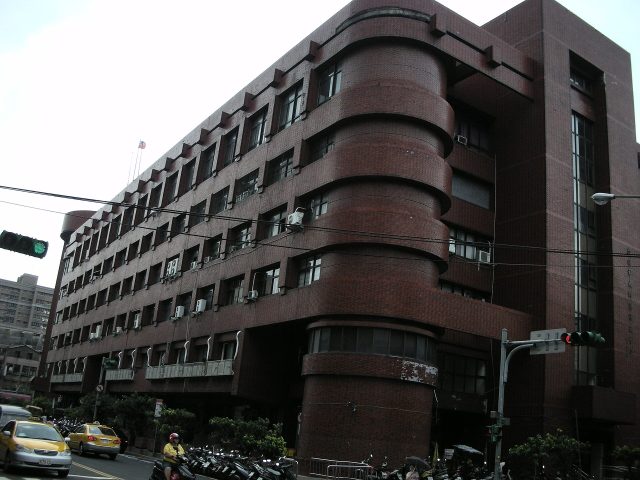
The Yilan Ceramics Museum in Datong is one of those quiet places where time seems to slow down, allowing you to step into a world shaped by hands and earth. Unlike crowded tourist spots, this museum offers a chance to explore the craft of pottery in a way that feels personal, almost intimate. It’s part of a larger effort to preserve the ceramic traditions of Yilan County, a region long known for its rich clay deposits and skilled artisans. The Datong branch occupies a restored building that once served as a school, its walls holding echoes of the past while its modern exhibits speak to the present.
Yilan’s ceramic tradition isn’t just about objects—it’s woven into the region’s identity. The story begins during the Qing Dynasty, when local craftsmen first began working with the clay found in the surrounding hills. Over time, what started as a small-scale craft grew into a thriving industry. The clay here is unusually pliable and durable, making it ideal for everything from everyday household items to intricate pieces that once graced imperial palaces. The museum’s collection spans centuries, from sturdy, unglazed pots of the 1800s to delicate tea sets of the early 20th century, and even contemporary works where tradition meets experimentation.
The building itself is worth lingering over. A two-story structure with red brick walls and a tiled roof, it’s a fine example of early 20th-century Taiwanese architecture. Inside, high ceilings and large windows create a soft, diffused light that suits the exhibits perfectly. The displays are arranged to guide visitors through the entire process of ceramics, from raw clay to finished piece. One room showcases samples of local clay, another holds the tools of the trade, and the next presents completed works in various styles and techniques. A particular focus is given to the traditional wood-firing process, which imparts a unique warmth and depth to the glazes.
Beyond its permanent collection, the museum hosts rotating exhibitions that highlight both local artisans and broader trends in ceramics. Occasionally, workshops are held where visitors can try their hand at the craft—kneading clay, shaping a simple bowl, or painting a tile. Those who want to dive deeper will find a small library with books on ceramic history and exhibition catalogs. The museum shop offers pieces by local artists, from tiny figurines to large decorative panels, providing a tangible connection to the work on display.
Datong isn’t a place that draws crowds. It’s a quiet town where life moves at its own pace, far from the hustle of Taiwan’s big cities. The area around the museum is a patchwork of rice fields and low hills, while the town itself retains a sense of the old Taiwan, with narrow streets and traditional houses. A visit here can easily be combined with a stroll through the countryside—stopping at a local tea house for a cup of freshly brewed oolong or walking along the river to watch fishermen at work. Evenings are peaceful, with only the occasional sound of a scooter or the murmur of neighbors sharing a meal.
What makes this museum special isn’t just its collection, but the way it captures the living history of a craft. There’s no grand spectacle here, just the quiet authenticity of old photographs showing artisans at work, tools worn smooth by generations of use, and stories of families who devoted their lives to pottery. For locals, it’s a source of pride; for visitors, it’s a rare chance to experience something real, untouched by mass tourism. In a world that’s constantly changing, places like this remind you that some things endure—the feel of clay between your fingers, the heat of the kiln, the steady hands of a master.