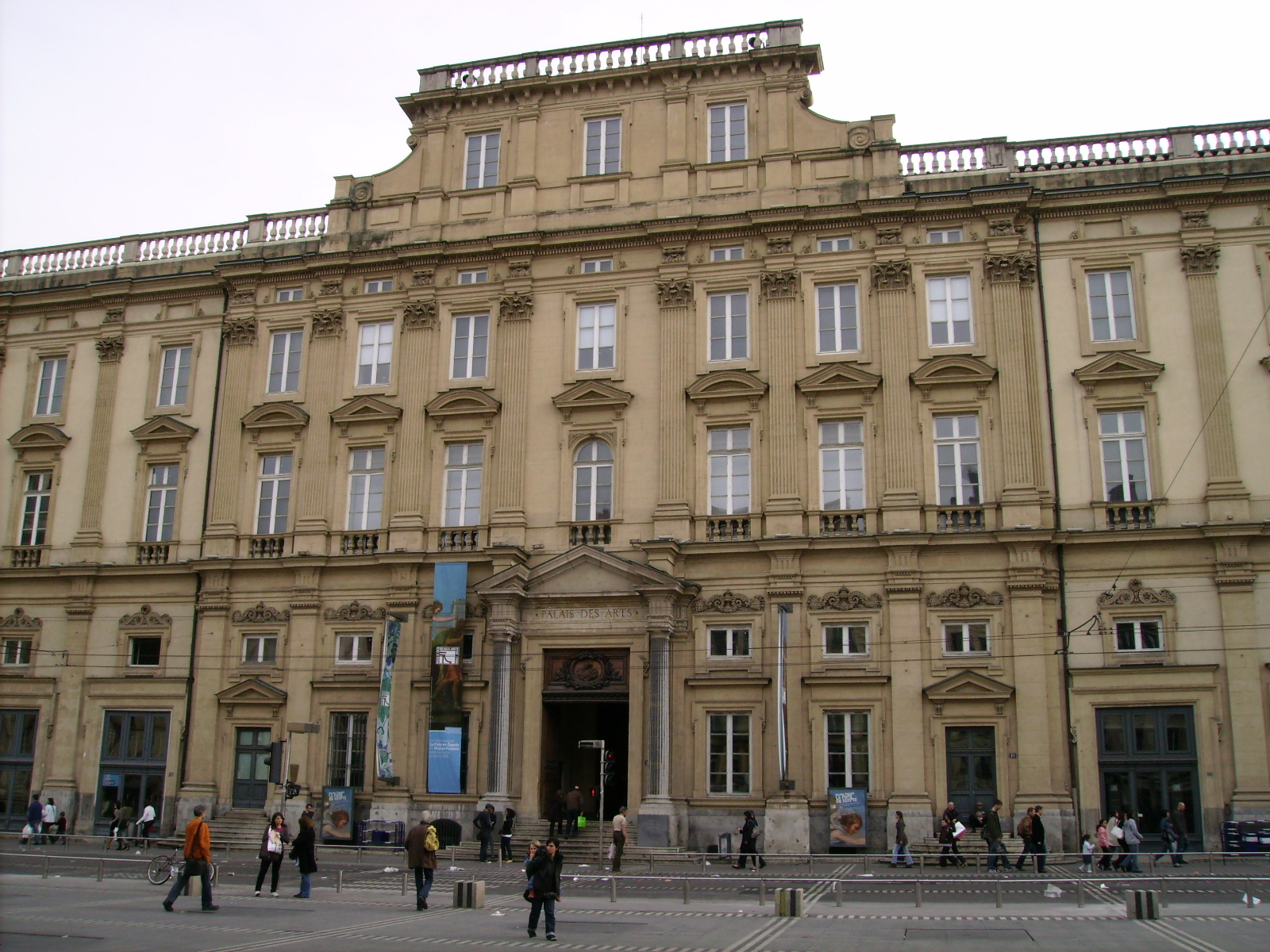
Lyon’s Museum of Fine Arts is one of those rare places where history and art feel inseparable, as if the building itself carries the weight of centuries with quiet dignity. Tucked away in the heart of the city on Place des Terreaux, it occupies what was once a Benedictine convent, built in the 17th century. The monastery was more than a spiritual retreat—it was a cornerstone of Lyon’s social and cultural life, and today, its grand halls and cloisters house one of France’s most impressive art collections. While it may not draw the same crowds as the Louvre or Musée d’Orsay, its treasures are no less remarkable, offering a journey through time that rewards patience and curiosity.
The architecture alone tells a story. The convent’s original structure, designed in the classical style, still bears the marks of its past—soaring ceilings, vast galleries, and a tranquil inner courtyard where nuns once walked in silence. The chapel remains nearly untouched, its vaulted ceilings adorned with frescoes, the light filtering through stained glass in soft, shifting hues. Walking through these spaces, it’s easy to imagine the quiet footsteps of the sisters who once lived here, now replaced by the murmur of visitors moving between paintings and sculptures. The building doesn’t just display art; it preserves the atmosphere of devotion that once filled its walls.
The museum’s collection spans millennia, from antiquity to the modern era. Ancient Egyptian sarcophagi stand near Greek vases and Roman statues, while medieval reliquaries share space with masterpieces by Rubens, Rembrandt, and Veronese. The painting galleries are particularly strong, with works by Delacroix, Poussin, Monet, and Renoir representing the evolution of French art. But what makes the collection special is its breadth—lesser-known artists and movements are given room to breathe, offering a more nuanced view of art history than the blockbuster names alone could provide.
Sculpture is another highlight, with one of the finest collections in France. The galleries range from classical marble gods and heroes, bathed in soft, dramatic lighting, to Rodin’s expressive bronzes, which seem to pulse with life. A particularly striking room holds ancient statues, their forms emerging from the dimness as if still waiting for worshippers. Nearby, medieval wooden figures—stark, almost raw in their emotion—contrast sharply with the polished elegance of later works, a reminder of how drastically artistic ideals have shifted over time.
Beyond European art, the museum reflects Lyon’s long history as a crossroads of trade and culture. Japanese prints, Chinese porcelain, and Indian miniatures hint at the city’s connections to distant lands, where merchants and travelers once brought not just goods but new artistic influences. This diversity makes the collection feel alive, as if each piece carries echoes of the journeys that brought it here.
What sets the Museum of Fine Arts apart is its atmosphere. Unlike Paris’s crowded museums, this one offers space to breathe. The galleries are airy and well-lit, and even on busy days, there’s a sense of quiet contemplation. The city’s hustle—cafés, markets, the hum of traffic—feels distant here, as if the museum exists in its own timeless bubble. The only sounds are the occasional footsteps, the rustle of a guidebook, the soft murmur of visitors lost in thought.
The museum doesn’t impose a rigid narrative. Instead, it invites exploration, letting visitors draw their own connections. Ancient statues stand near contemporary works, medieval reliquaries share walls with Impressionist landscapes, creating a sense of continuity. Art isn’t presented as a series of isolated moments but as an ongoing conversation, where past and present coexist.
This isn’t a place to rush through in search of a single masterpiece. It rewards those who linger, who wander from room to room, discovering something unexpected at every turn. Locals know this well—they return again and again, finding new details in familiar works or stumbling upon something they’d missed before. The museum feels like a living part of the city, not just a repository of art but a reflection of Lyon itself.
In the end, the Museum of Fine Arts is more than a tourist attraction. It’s a testament to the city’s layered history—its role as a center of trade, its religious heritage, its artistic legacy. Lyon is famous for its food and silk, but this museum offers something just as vital: a reminder that beauty, in all its forms, is what gives a place its soul.