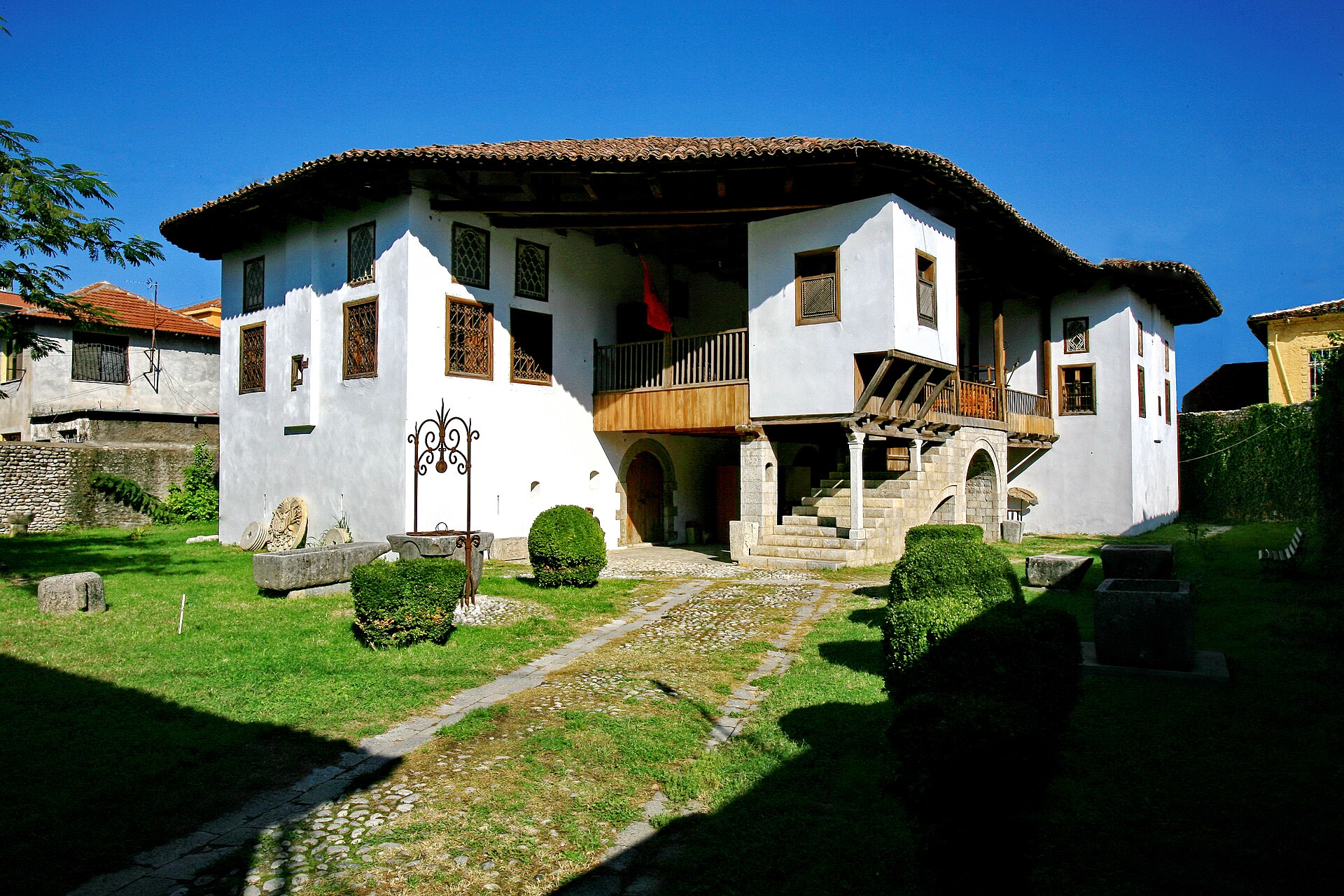
The Museum of Shkodër History sits quietly in the heart of the city, housed in a building that carries its own stories. Constructed in the early 1900s, it once belonged to one of Shkodër’s prominent families, and the architecture still reflects the elegance of that era—tall ceilings, sturdy wooden doors, intricate plasterwork, and large windows that let in the soft northern light. Stepping inside feels like entering a different time, where the pace of life was slower, traditions ran deep, and yet the city was always open to change. The museum doesn’t try to impress with grandeur; instead, it invites visitors into a conversation with the past, where history isn’t displayed like a spectacle but shared like a memory.
The exhibits begin with the earliest days of the region, when Illyrian tribes roamed these lands. Shkodër, known in antiquity as Scodra, was a vital center of the Illyrian state and later a key city in the Roman province. The museum’s collection includes fragments of pottery, coins, weapons, and jewelry unearthed from nearby archaeological sites. Among the most striking pieces are the funerary stelae, carved with Latin and Illyrian inscriptions, offering glimpses into the beliefs and daily lives of people who lived here two millennia ago. Each artifact feels like a piece of a larger puzzle, slowly revealing the layers of history that shaped the city.
The medieval period holds a special place in the museum’s narrative, as Shkodër became one of the most important cities in the Balkans. From the 13th to the 15th centuries, it passed through the hands of Serbian rulers, Venetian merchants, and finally the Ottomans. Each era left its mark on the city’s culture, architecture, and even language. The museum displays documents, maps, and everyday objects from these times, but perhaps the most vivid reminder of Shkodër’s medieval past is the fortress of Rozafa, looming over the city. Though the fortress itself lies outside the museum, its history is woven into the exhibits—many of the artifacts were discovered within its walls.
The Ottoman era, which lasted over four centuries, is well represented in the collection. Visitors can see items from daily life—copper cookware, textiles, and tools used by local craftsmen. There are also Ottoman documents detailing trade, taxation, and city governance, offering a glimpse into how Shkodër functioned as a bustling commercial hub connecting the Adriatic to the Balkan interior. The museum doesn’t romanticize this period, nor does it shy away from its complexities. Instead, it presents a balanced view of how people lived, what traditions they held onto, and what they adopted from their rulers.
The 19th century was a time of awakening for Albanian national identity, and Shkodër played a central role in this movement. The city became a hub for cultural and political activity, where the first Albanian-language newspapers were published and schools taught in the native tongue. The museum’s collection includes photographs, books, and personal belongings of the figures who led the Albanian Renaissance—people who fought for independence and shaped the country’s future. Letters and diaries from this era are particularly moving, capturing both the hope for change and the uncertainty of what lay ahead. This part of the exhibit isn’t just about grand events; it’s about the individuals who made them possible.
The 20th century brought immense upheaval to Shkodër—two world wars, a communist regime, and the transition to democracy. The museum doesn’t gloss over these difficult chapters. Visitors can see photographs of the city in ruins after World War II bombings, documents from the era of Enver Hoxha’s dictatorship, and everyday objects from life under socialism. There’s also a focus on the period after communism fell, when Albania began to open up to the world. The exhibits include works by local artists, modern photographs of Shkodër, and items that symbolize the changes in the city’s daily life. The museum doesn’t just present history; it shows how the past continues to shape the present.
Beyond its permanent collection, the museum regularly hosts temporary exhibitions that explore different facets of the region’s history and culture. These might focus on traditional crafts, lesser-known historical events, or contemporary artistic expressions. Occasionally, the museum also organizes lectures and discussions with historians, offering deeper insights into how Shkodër has evolved over time. It’s not just a place to store artifacts; it’s a living institution that grows alongside the city, responding to its changes and staying relevant for new generations.
A visit to the Museum of Shkodër History is more than just a walk through exhibits—it’s an immersion in the city’s atmosphere. There’s no forced grandeur or attempt to dazzle tourists. Instead, there’s a quiet respect for the past and a desire to understand how it connects to the present. As you move through the rooms, small details catch your eye: the patterns on old carpets, faded photographs on the walls, the creak of wooden floors underfoot. The museum doesn’t just tell Shkodër’s story; it lets you feel it.