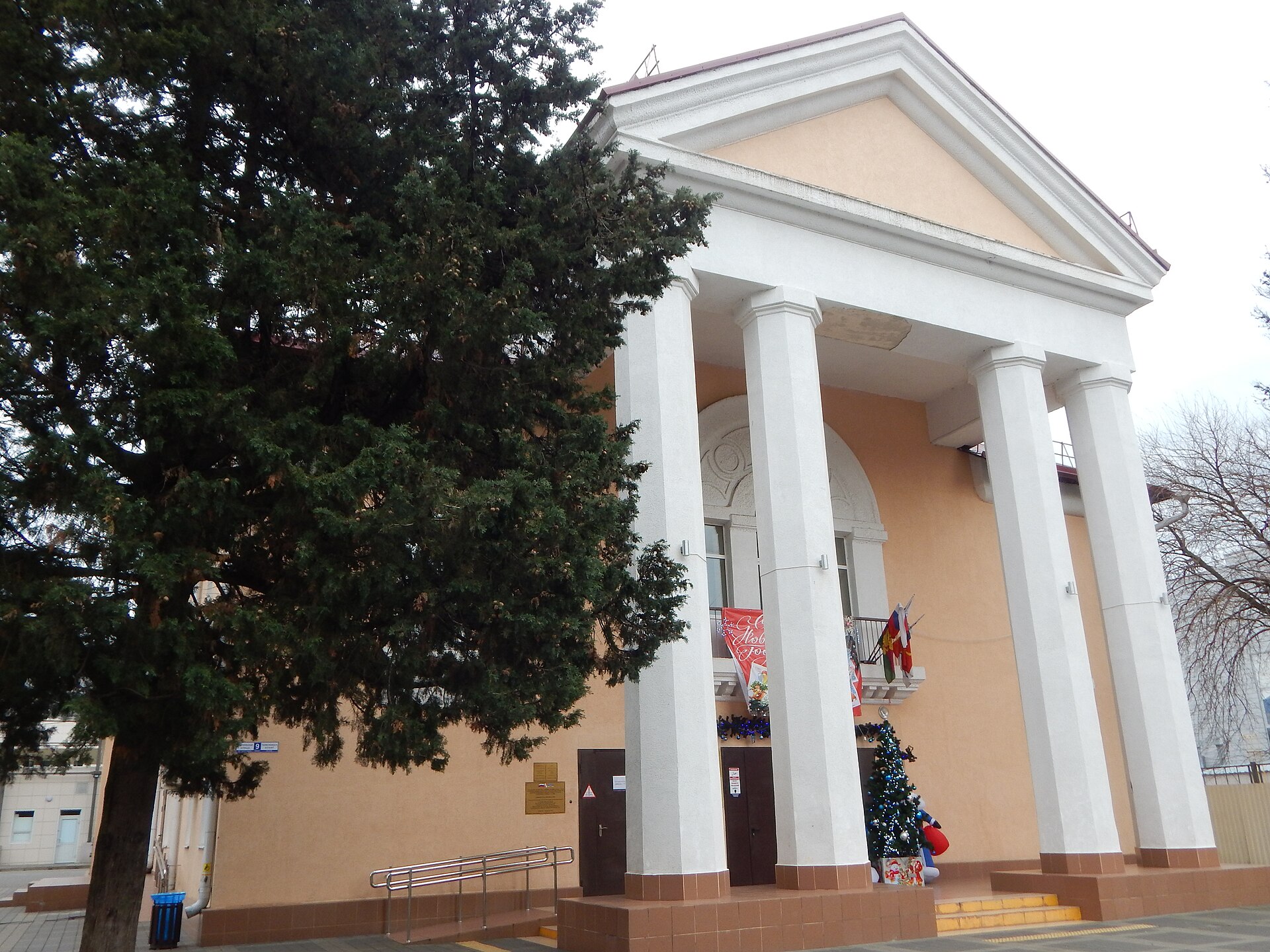
Adler is often seen as just another district of Sochi—a sunny stretch of coastline dotted with resorts, beaches, and palm trees. But beneath the surface of its modern tourist appeal lies a place with a layered past, shaped by the lives of those who called it home long before it became a holiday destination. The Adler District History Museum offers a quiet space to step into that past, where the stories of different peoples and eras unfold in a way that feels personal rather than distant.
Housed in a building that itself carries the weight of history, the museum occupies a structure from the mid-20th century that once served as the administrative heart of Adler. The architecture is unassuming, blending into the surrounding streets, but inside, the exhibits trace the region’s evolution from ancient times to the present day. The collection includes archaeological finds, tools, weapons, and everyday objects that reveal how people lived, worked, and adapted to this corner of the Black Sea coast. Maps and photographs show the transformation of Adler from a small settlement into a key transport and resort hub, particularly after the arrival of the railway and the development of infrastructure that connected it to the rest of the country.
One of the most compelling sections of the museum focuses on the ethnography of the region. The exhibits here bring to life the traditions of the Ubykh and Shapsug peoples, two of the Adyghe groups who inhabited these lands for centuries. Visitors can see traditional clothing, jewelry, and household items that reflect their way of life—how they farmed, hunted, and interacted with neighboring communities. The museum also highlights the Greek community that settled in Adler in the 19th century, contributing to the area’s trade and agriculture. These displays do more than showcase artifacts; they illustrate how Adler’s culture emerged from the blending of different traditions, each leaving its mark on the land and its people.
The museum doesn’t just dwell on the distant past. It also explores how history continues to shape the present, particularly through the lens of the Soviet era. Exhibits cover the period when Adler became part of Greater Sochi and began its rapid development as a resort destination. Photographs and documents show the construction of the first sanatoriums, the expansion of the airport, and other projects that turned Adler into a place known for leisure rather than just local life. A significant portion of the collection is dedicated to World War II, with materials on the contributions of Adler’s residents—those who fought at the front and those who worked to rebuild the district afterward. These stories serve as a reminder that the Adler of today was built by the efforts of generations, many of whose names are now forgotten.
What makes the museum special is its atmosphere. Unlike larger, more crowded tourist sites, it invites visitors to take their time. The rooms are quiet, allowing for a closer look at the exhibits, whether it’s a handwritten letter, a faded photograph, or a tool used by fishermen a century ago. The guides here don’t just recite facts; they share anecdotes and lesser-known details, often drawing from personal accounts or local memories. They might tell you about the teacher who started a school in a village that no longer exists, or the doctor who treated patients in a time when medical supplies were scarce. These are the kinds of stories that don’t make it into history books but give a sense of the everyday lives that shaped the district.
For those who want to go deeper, the museum’s archives hold a wealth of primary sources—diaries, letters, and oral histories that offer a glimpse into the past through the words of those who lived it. You can read about what Adler looked like in the early 1900s, when dirt roads were the norm and the main modes of transport were horses and boats. There are accounts of how the landscape has changed, from the types of crops grown in the fields to the wildlife that once roamed the surrounding forests. These materials help paint a picture of a place that was once very different from the bustling resort it is today.
The museum isn’t just a repository of objects; it’s a record of how a place evolves over time. A visit here might take an hour or an entire afternoon, depending on how much you want to explore. For locals, it’s a chance to connect with the history of their own community. For visitors, it offers a different perspective on Adler—one that goes beyond the beaches and hotels to reveal the layers of human experience that have shaped the district. It’s a reminder that even in a region known for its natural beauty and modern amenities, the past is never far away. The stories preserved here don’t just belong to history; they’re part of what makes Adler what it is today.