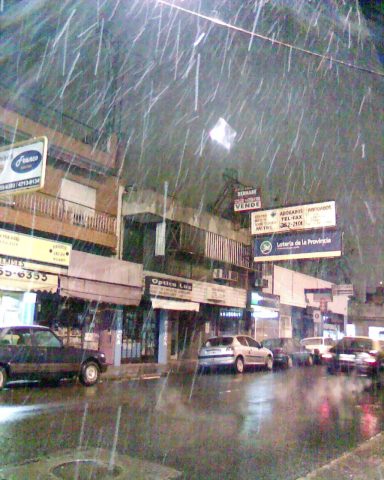
The Tigre Delta Art Museum is the kind of place that lingers in your memory long after you’ve left, not because it demands attention, but because it quietly invites you to slow down and notice things you might otherwise overlook. Tucked away in the small riverside town of Delta del Tigre, where Uruguay’s landscape blurs into Argentina’s at the mouth of the Río de la Plata, the museum exists in a rhythm all its own—unhurried, like the current of the river, and as shifting as the light on the water.
The building itself is part of the story. Constructed in the early 1900s as a private residence, it still carries the marks of its past: high ceilings that seem to hold the weight of decades, large windows that flood the rooms with natural light, and wooden beams that have witnessed generations of lives unfolding within these walls. When the house later became municipal property in the 1980s, it was repurposed into a cultural space, transforming from a home into a place where art and history could breathe side by side. Today, it feels less like a museum and more like a living room for the town—a place where the past isn’t just preserved but still very much alive.
The collection is small but thoughtful, spanning works by Uruguayan artists from different eras. You’ll find pieces by early 20th-century masters alongside contemporary works that play with color and form, but the real heart of the museum lies in its depictions of the Delta itself. The paintings here don’t just show the landscape; they capture its essence—the quiet backwaters, the reeds bending in the wind, the boats gliding across the water as the sun dips below the horizon. There’s a patience to these works, a sense that they’re not just meant to be seen but experienced, with all the small details that usually slip by unnoticed: the way light dances on the water’s surface, the shadows stretching across old wooden docks, the fleeting reflections of clouds in puddles after rain.
But the museum isn’t just about what hangs on the walls. It’s a place where art feels alive, where temporary exhibitions often explore themes tied to the region—river life, the traditions of local fishermen, the history of navigation along the Río de la Plata. Sometimes, the soft strum of a guitar or the accordion’s melody drifts through the halls, a reminder of Uruguay’s deep roots in Latin American culture. Occasionally, the museum hosts intimate literary readings or artist talks, where conversations flow as easily as the river outside. It’s the kind of place where you might find yourself lingering longer than planned, not because you have to, but because you want to.
The Tigre Delta is often called Uruguay’s Venice, and while there are no canals or gondolas, the comparison isn’t entirely off the mark. Water shapes everything here, and boats are as much a part of daily life as cars are elsewhere. The museum reflects that same spirit—it doesn’t try to impress with grandeur or spectacle, but instead offers something quieter and more meaningful: a chance to pause, to look closer, and to find beauty in the overlooked. There are no crowds here, no rush to snap the perfect photo. Just the kind of stillness that lets you hear your own thoughts.
Delta del Tigre itself is a place apart. What began as a fishing village still carries that rhythm in its bones, with many residents tied to the river in one way or another—whether they’re casting nets, building boats, or tending small plots of land on the islands. Life here moves to the pace of the tides, not the clock. The museum has become more than just a cultural hub; it’s a keeper of the town’s memory, where old photographs of docks, tools used by local craftsmen, and models of the boats that once ferried goods and people across the water all tell a story of a place shaped by the river.
A visit to the museum pairs naturally with exploring the Delta. After wandering the galleries, you might stroll along the waterfront, where vendors sell fresh fish and local specialties, or hire a boat to glide through the narrow channels. The water here changes with the light—silver in the morning, blue at midday, and nearly black by evening, mirroring the last rays of the sun. The islands are dotted with houses on stilts, their gardens bursting with fruit trees and flowers. Some have small cafés serving simple, hearty dishes like fish stew, best eaten outdoors with the river breeze carrying the scent of water and earth.
This isn’t a place for those seeking blockbuster exhibitions or famous names. The Tigre Delta Art Museum is for people who appreciate slowness, who see art not as something separate from life but as a thread woven into the fabric of a place—its nature, its history, its people. There’s no right or wrong way to experience it. You can wander the halls, taking in the paintings, or simply stand by a window, watching a boat drift past. The only rule is not to rush. In the Delta, time moves differently, and the museum is one of the few places where you can truly feel its rhythm.