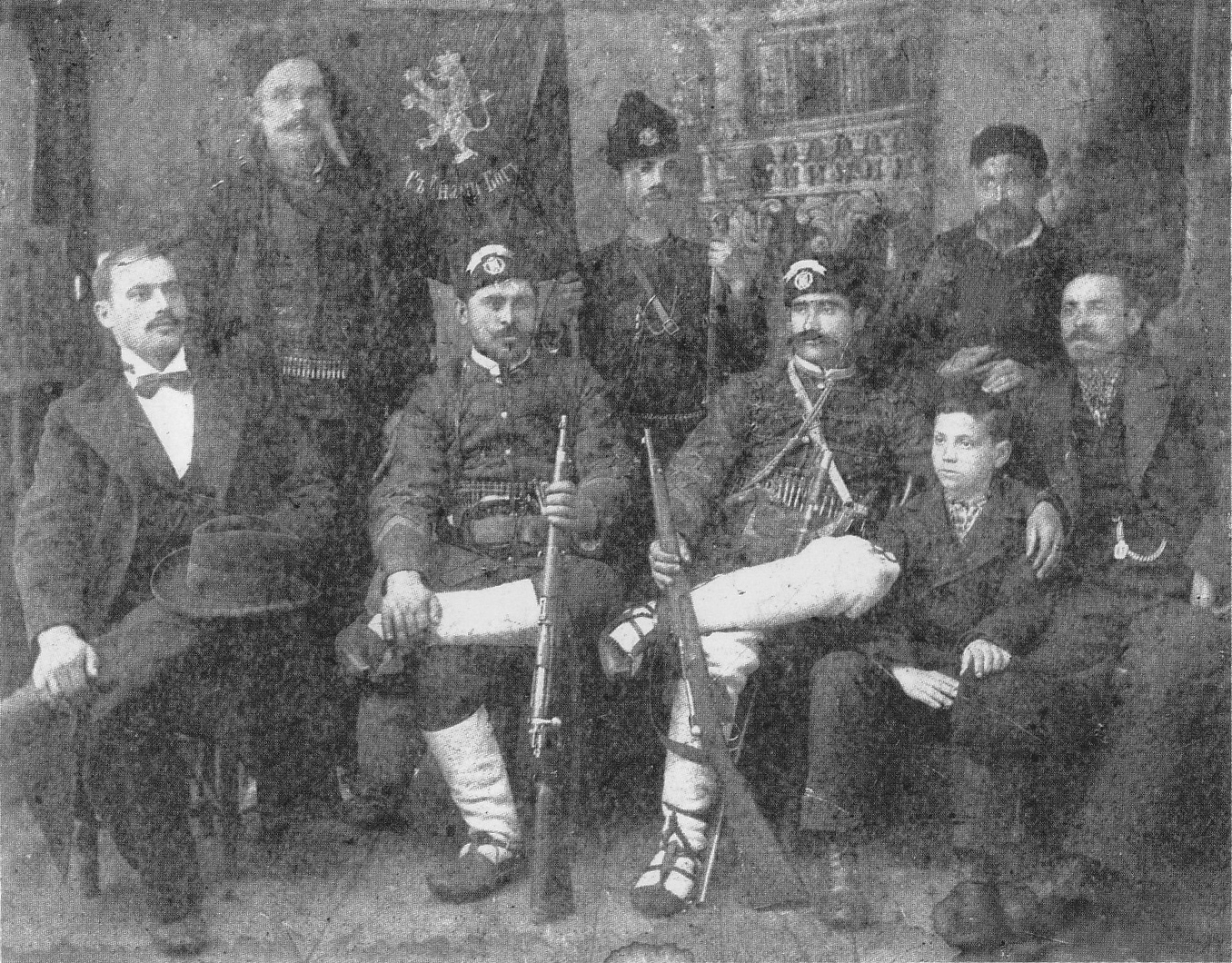
The Museum of the Ilinden Uprising sits quietly in the small town of Kruševo, a place where history feels closer than anywhere else in North Macedonia. This isn’t just a building filled with artifacts; it’s a monument to a moment when ordinary people dared to imagine freedom. The museum stands on the site of what was once the short-lived Kruševo Republic, a self-declared state that existed for just ten days in August 1903 before being crushed by Ottoman forces. Those ten days, though brief, became a symbol of resistance and national identity, and the museum exists to keep that memory alive.
The architecture of the museum itself is striking, designed to blend with the rugged landscape of the region. Built in the 1970s, the structure is a mix of modernist and brutalist styles, with sharp angles and raw concrete that give it a sense of solidity and permanence. The building was conceived not just as a repository for historical items but as a tribute to the spirit of the uprising. Its circular shape and towering form are meant to evoke the idea of unity and endurance, reflecting the collective effort of the rebels who fought here. Inside, the exhibits are arranged to guide visitors through the events of 1903, from the initial spark of rebellion to its tragic end.
The story of the Ilinden Uprising begins long before 1903, rooted in the centuries of Ottoman rule over the Balkans. By the late 19th century, discontent had grown among the Christian populations of Macedonia, who faced heavy taxes, limited rights, and cultural suppression. The Internal Macedonian Revolutionary Organization (IMRO) emerged as a driving force behind the push for autonomy, and by 1903, tensions had reached a breaking point. The uprising was planned for August 2, the feast day of St. Elijah (Ilinden in Macedonian), a date chosen for its symbolic significance. When the revolt began, Kruševo became its epicenter, with rebels seizing control of the town and declaring the Kruševo Republic.
The republic was a remarkable, if fleeting, experiment in self-governance. For those ten days, the town was run by a provisional government that included representatives from different ethnic and religious groups—Macedonians, Vlachs, and even some Aromanians—who came together under the shared goal of liberation. The rebels drafted a manifesto outlining their vision for a free and equal society, a document that still resonates today as a testament to their ideals. But the Ottoman Empire responded swiftly and brutally. Reinforcements were sent, and by August 12, the uprising had been suppressed. Kruševo was burned, and hundreds of rebels and civilians were killed. The republic was gone, but its legacy endured.
Inside the museum, the exhibits bring this history to life through photographs, documents, weapons, and personal belongings of the rebels. One of the most poignant displays is a collection of letters and diaries, offering a glimpse into the thoughts and fears of those who took part in the uprising. There are also reconstructions of scenes from daily life in Kruševo at the time, showing the contrast between the town’s peaceful existence and the violence that erupted. The museum doesn’t shy away from the darker aspects of the story, including the reprisals that followed the uprising, when entire villages were destroyed and families displaced.
Beyond the historical artifacts, the museum also serves as a place of reflection. The building’s design encourages visitors to pause and consider the weight of what happened here. The central hall is dominated by a large mural depicting the uprising, its bold colors and dynamic figures capturing the chaos and determination of the moment. Around the edges of the room, smaller exhibits explore the broader context of the struggle for Macedonian identity, from the 19th-century revolutionary movements to the eventual establishment of an independent North Macedonia in 1991. It’s a reminder that the events of 1903 were not just a footnote in history but a foundational chapter in the country’s story.
Kruševo itself is a town that wears its history lightly. Nestled in the mountains, it’s known for its traditional architecture, with houses built in the distinctive Ottoman style, their whitewashed walls and wooden balconies clinging to the steep slopes. The town has a quiet, almost timeless quality, as if the past is never far away. Near the museum, you’ll find the Mečkin Kamen (Bear’s Rock), a natural landmark where the rebels made their last stand. The view from the rock is breathtaking, stretching across the valleys and peaks that once sheltered the uprising. It’s a place where you can almost hear the echoes of the past.
Visiting the Museum of the Ilinden Uprising is more than just a history lesson; it’s an encounter with the ideals that shaped a nation. The story of the Kruševo Republic is one of hope and tragedy, of ordinary people who believed in something greater than themselves. The museum doesn’t glorify war or rebellion but instead honors the courage of those who stood up for their beliefs, even in the face of overwhelming odds. For anyone interested in the Balkans, in the complexities of national identity, or in the power of collective action, this place offers a deeply moving experience. It’s a reminder that history isn’t just about dates and battles but about the people who lived it—and the dreams they left behind.