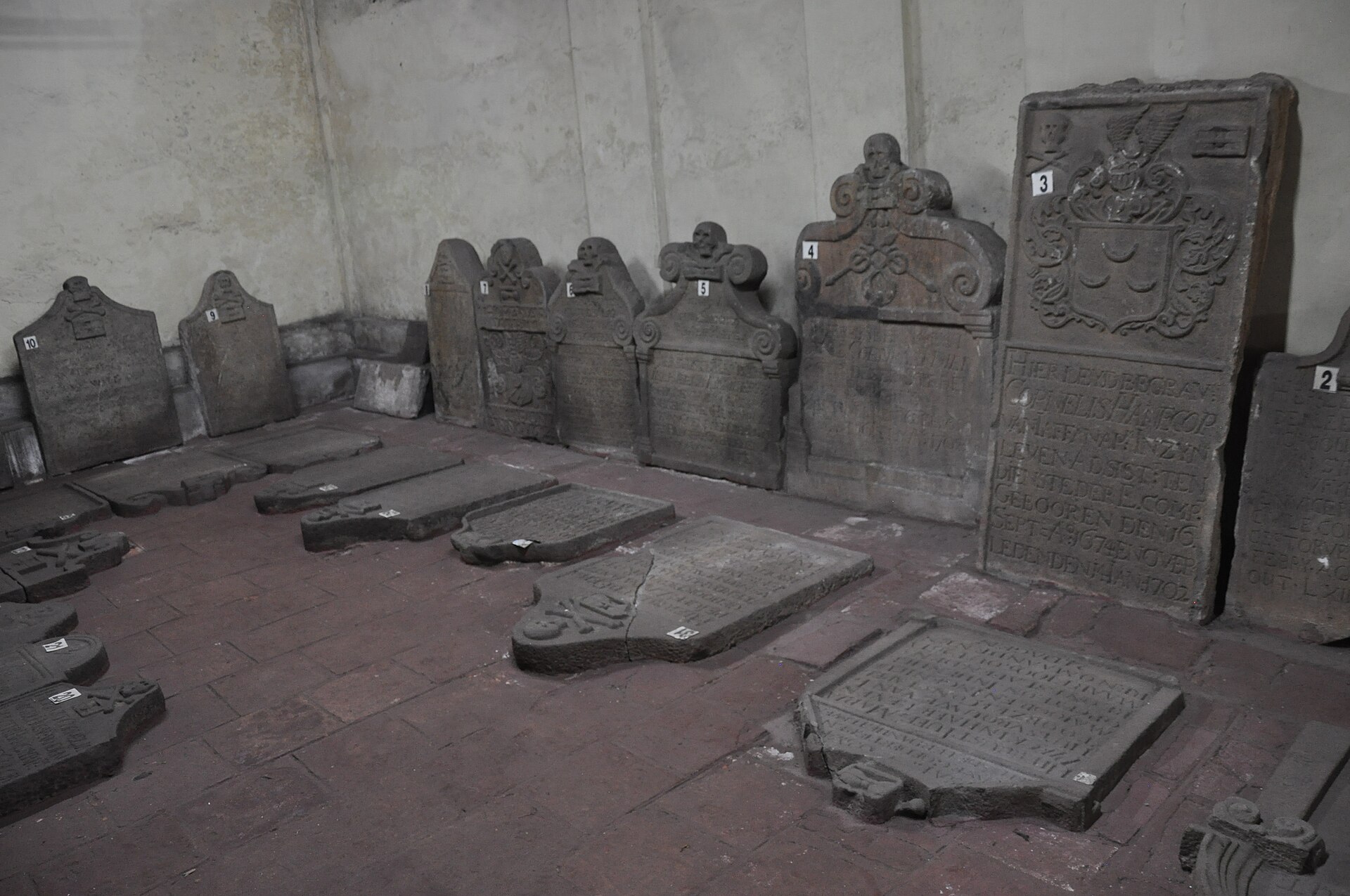
The Dutch Period Museum in Colombo is one of those rare places where history feels alive, not because of grand displays or dramatic recreations, but because the building itself is the story. Tucked away on a quiet street, this two-story structure was built in the late 1600s, when the Dutch had just wrested control of Ceylon from the Portuguese. Originally the residence of the Dutch governor, it later served as barracks, a prison, and even a post office before being restored as a museum. The walls here have witnessed the shifting tides of colonial power, and walking through its rooms is like stepping into a time when European empires vied for dominance over the Indian Ocean’s lucrative trade routes.
The architecture is a quiet testament to the blending of cultures. At first glance, it looks like a typical Dutch colonial building—thick whitewashed walls, high ceilings with exposed wooden beams, and sturdy shutters designed to keep out the tropical heat. But look closer, and you’ll notice the subtle touches of local craftsmanship: intricate carvings on the doorframes, wrought-iron grilles with floral patterns, and terracotta tiles that speak of generations of Sri Lankan hands shaping the space. The central courtyard, with its well and small garden, was a practical solution to the climate, offering shade and a cool retreat from the midday sun. It’s easy to imagine Dutch officials and local workers moving through these spaces, each leaving their mark on the building in ways both deliberate and accidental.
Inside, the museum’s collection is modest but carefully curated, focusing on the everyday realities of life under Dutch rule. The exhibits include household items like porcelain dishes bearing the insignia of the Dutch East India Company, copper candlesticks, and antique clocks—objects that would have been common in the homes of colonial administrators. Maps and engravings depict Colombo as it was in the 17th and 18th centuries, a fortified port city where European ships docked alongside local fishing boats. But the most revealing pieces are the documents: contracts, letters, and court records that reveal the uneasy relationship between the Dutch and the Sinhalese rulers. These papers show how power was negotiated, how local customs were both suppressed and adapted, and how ordinary people navigated a world where their lives were increasingly controlled by distant authorities.
The Dutch period lasted nearly 150 years, and its influence is still visible across Sri Lanka. It was during this time that Colombo began to take shape as a modern city—forts were built, canals dug, and the first cinnamon and coffee plantations established. The museum does a good job of explaining how these changes unfolded, not as a simple imposition of European ideas, but as a complex exchange. The Dutch relied on local labor and knowledge, while Sinhalese artisans incorporated European techniques into their work, creating a hybrid style that can still be seen in Colombo’s older neighborhoods. The result was a society that was neither fully Dutch nor fully Sri Lankan, but something in between.
One of the most compelling sections of the museum is devoted to trade, particularly the cinnamon industry. For centuries, cinnamon was one of the most valuable spices in the world, and Ceylon was its primary source. The Dutch East India Company, one of the most powerful corporations of its time, tightly controlled its production and export. The museum displays tools used to harvest cinnamon bark, samples of the finished product, and documents outlining the strict regulations governing its trade. These exhibits offer a glimpse into the economic realities of colonialism—how a single commodity could shape an entire society, and how the wealth it generated flowed almost entirely out of the island. It’s a reminder that behind the elegant facades of colonial architecture and the romanticized tales of spice traders lay a system of exploitation that benefited few and burdened many.
What makes this museum special is how it connects the past to the present. After the Dutch left, the building continued to evolve, serving as a British prison in the 19th century and later as offices and living quarters. It wasn’t until the 1970s that it was restored and turned into a museum, preserving not just the Dutch era but the layers of history that followed. Today, it sits in the heart of a bustling city, surrounded by the noise of tuk-tuks, the scent of street food, and the towering glass facades of modern Colombo. Yet once you step inside, the outside world fades away. The thick walls muffle the city’s clamor, and the cool, dimly lit rooms invite you to slow down and reflect.
Visiting the Dutch Period Museum isn’t about ticking off a list of exhibits or rushing through with a guidebook in hand. It’s about taking your time—lingering in the courtyard, running your fingers over the worn wooden banisters, or pausing to read a faded document that once dictated the terms of someone’s life. There are no flashy displays or interactive screens here, just the quiet weight of history. The museum doesn’t try to glorify the colonial past or simplify its complexities. Instead, it offers a space to consider how the decisions made centuries ago still echo in Sri Lanka today—whether in the architecture of its cities, the diversity of its people, or the lingering effects of its colonial economy.
For those who take the time to explore it, the museum is more than a collection of artifacts. It’s a place to think about how history is made—not just by kings and governors, but by the countless individuals whose names are forgotten but whose lives shaped the world we inherit. In a country where the past is never far from the surface, the Dutch Period Museum serves as a quiet reminder of how much can be learned from the spaces between the grand narratives. It’s a small museum, but one that leaves a lasting impression, not because of what it shows, but because of what it makes you feel.