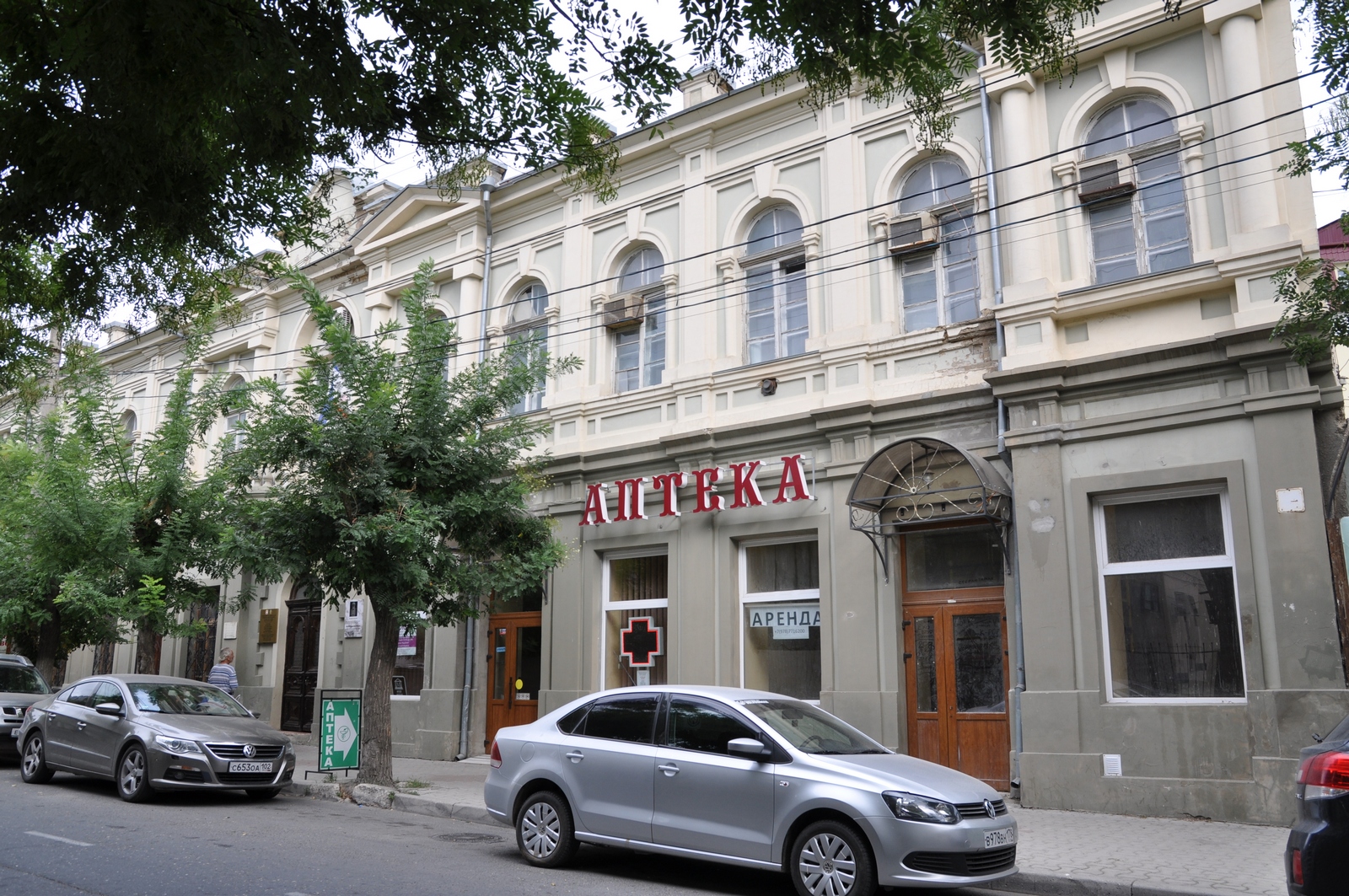
The Crimean Pharmacy Museum in Yevpatoria is one of those rare places where the history of medicine feels almost tangible. Housed in a building from the late 19th century, it stands as a quiet witness to the city’s golden age, when Yevpatoria flourished as a resort and trading hub, drawing merchants, physicians, and travelers from across Europe. The narrow streets of the old town still carry echoes of that era—when pharmacists mixed remedies from imported European recipes, and visitors sought relief from ailments in tinctures and powders crafted by hand. The museum doesn’t just display artifacts; it preserves the atmosphere of a time when medicine was as much about craftsmanship as it was about science.
The collection itself is a journey through the evolution of pharmacy on the peninsula, from ancient herbal traditions to the early 20th century. Mortars and pestles, delicate glass flasks, and precision scales line the exhibits, each piece telling a story of meticulous labor. Many of these items were donated by descendants of local pharmacists or collected from private archives, their worn surfaces hinting at decades of use. The most striking are the old apothecary jars and bottles, their Latin inscriptions faded but still legible, once holding remedies that promised healing. Some of these containers were used in the very building that now houses the museum, blurring the line between past and present.
Yevpatoria has long been a city where medicine and pharmacy thrived. In the 19th century, it became a testing ground for new medical ideas, blending European practices with local knowledge. The museum captures this spirit, recreating the atmosphere of an old apothecary where pharmacists weren’t just sellers of medicine but keepers of knowledge. Rare medical books, handwritten prescriptions, and even personal diaries of pharmacists are on display, offering a glimpse into their daily work. These records reveal not just formulas but observations about patients, showing how closely science and human experience were intertwined.
One of the museum’s most fascinating sections explores Crimea’s rich tradition of medicinal plants. The peninsula’s unique climate and diverse flora made it a natural pharmacy, with herbs like sage, lavender, and thyme used for centuries in both folk and scientific medicine. Dried specimens, herbariums, and old manuscripts detail how these plants were prepared and prescribed. Some exhibits even trace the trade routes that carried Crimean herbs to other parts of Russia and beyond, highlighting the region’s role in shaping broader medical practices. The displays make it clear that modern herbal medicine owes much to these age-old traditions.
While the museum is rooted in history, it also bridges the gap to the present. Exhibits on modern pharmaceutical technology show how far the field has advanced—from handcrafted pills to automated production lines. Machines for tablet pressing, packaging, and quality control stand alongside their antique counterparts, illustrating the shift from artisanal methods to industrial precision. Yet the museum doesn’t frame this as a simple progression from old to new. Instead, it emphasizes continuity, showing how today’s medicine builds on the foundations laid by earlier generations.
The building itself is part of the story. A classic example of Yevpatoria’s late 19th-century architecture, it features high ceilings, intricate moldings, and large windows that bathe the rooms in soft light. The interior has been carefully restored to reflect its original purpose, with wooden cabinets filled with small drawers once used to store medicinal ingredients. A grandfather clock ticks steadily in the corner, its rhythm unchanged since the days when pharmacists worked here. Walking through the halls, visitors can almost hear the murmur of past conversations, the clink of glass bottles, and the rustle of paper as prescriptions were written.
What makes the museum truly special is its focus on the people behind the science. It’s not just about tools and techniques but about the individuals who shaped Crimean medicine—pharmacists, doctors, and researchers whose names have faded from memory but whose work laid the groundwork for modern healthcare. Photographs, letters, and personal belongings bring these figures to life, reminding visitors that every artifact represents someone’s dedication, discovery, or hope. One display might feature a pharmacist’s journal, another a doctor’s correspondence with colleagues, each piece adding a human dimension to the history on display.
A visit here doesn’t feel like stepping into a dusty archive. Instead, it’s a reminder that the past is still alive in the present. The same traditions that began centuries ago continue today in modern pharmacies and laboratories. The museum underscores that medicine is both a science and an art—one that demands patience, curiosity, and respect for those who came before. For anyone with an interest in history, science, or simply the hidden stories of old cities, the Crimean Pharmacy Museum offers a quiet but profound revelation. It’s a place where the past isn’t just remembered; it’s felt.