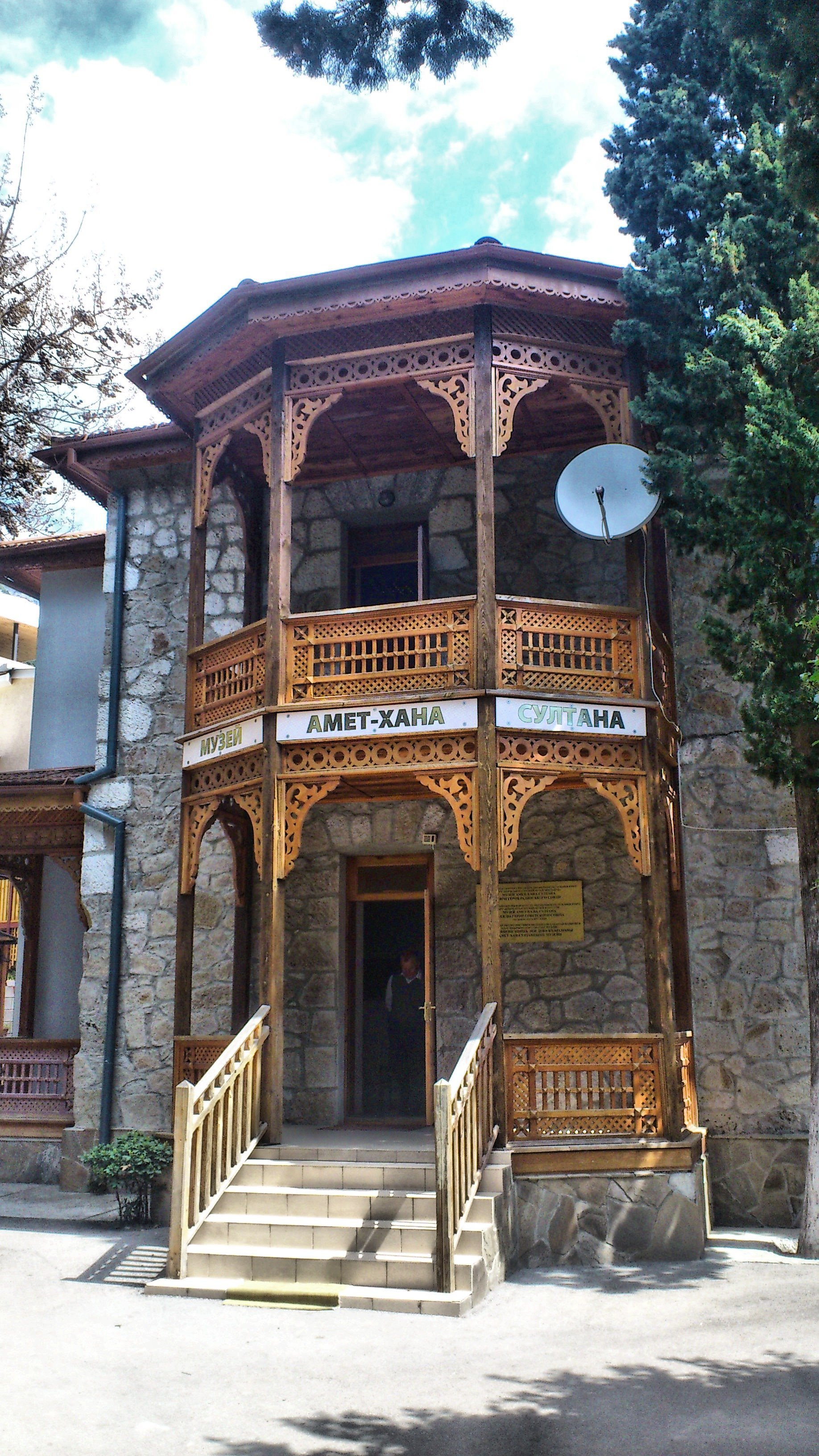
The museum dedicated to Amet-Khan Sultan in Alupka is more than just a collection of exhibits—it’s a place where history feels alive, woven into the fabric of a nation’s memory. There’s no grandiosity here, no forced solemnity, just a quiet respect for a man who defended the skies over Crimea and the Soviet Union during the war and later devoted himself to aviation in peacetime. The museum occupies a modest building that was once part of a sanatorium where Amet-Khan stayed after the war, a place where he found rest and reflection. Now, it holds his personal belongings, photographs, documents, and awards, each piece telling a fragment of his extraordinary life.
Amet-Khan Sultan wasn’t just a pilot; he was one of those rare figures who became a legend in his own lifetime. Born in Crimea to a Lak father and a Crimean Tatar mother, he dreamed of flying from childhood. During the war, he completed over six hundred combat missions, shot down dozens of enemy aircraft, and earned a reputation that even his adversaries respected. Twice named a Hero of the Soviet Union, he didn’t receive these honors for bureaucratic reasons but for the sheer courage he displayed in some of the war’s most brutal battles. After the war, he continued serving in aviation, testing new aircraft and risking his life for progress. His story is one of resilience—a man who faced impossible odds and never backed down.
The museum doesn’t just showcase medals and orders; it brings Amet-Khan’s story closer through everyday objects. There’s his worn, slightly scuffed flight helmet, the one he wore in the 1940s. Photographs show him with his squadron comrades—young, exhausted, but unwavering in their belief in victory. Handwritten letters describe the war as if it had happened yesterday. Other exhibits focus on his postwar work: blueprints, aircraft models he tested, and recordings of his speeches to young pilots. Together, these artifacts create the sense that he hasn’t left the room, just stepped out for a moment.
For Amet-Khan, Alupka wasn’t just a vacation spot—it was a piece of home, a place where he could recharge. Crimea always held a special place in his heart, and after the war, he returned often, walking along the waterfront and meeting friends. The museum is housed in the very building where he stayed, which gives the space an intimate atmosphere. The walls seem to remember his footsteps, the air carrying echoes of his voice. Unlike many memorial museums, there’s no pomp here, just silence and reverence for a man who gave so much to his country.
Amet-Khan’s story is also the story of his people. As a Crimean Tatar, his life was intertwined with the tragedy of the 1944 deportation, which affected his family and community. Yet he never renounced his roots, remaining loyal to both his homeland and his heritage. The museum includes exhibits on this aspect of his life: photographs of his homeland, documents related to Crimean Tatar history, and personal notes. It’s a reminder that behind every great individual lies not just personal courage but the complex history of the people they belonged to.
Visiting the museum isn’t just a tour—it’s a chance to connect with history through the lens of one life. There are no dry facts or detached descriptions here, only living testimony of how one person could alter the course of events and influence the lives of others. The halls are quiet, time moving slowly, with a deep respect for the past. You can stand for a long time in front of a display of photographs, studying the faces of pilots who never returned from the war, or read letters written in shaky handwriting, realizing that war isn’t just about numbers and dates—it’s about people.
The museum also makes you reflect on what it truly means to be a hero. Today, the word is often used lightly, forgetting the real actions, pain, and sacrifices behind it. Amet-Khan never saw himself as a hero—he simply did what he believed was necessary, to the very end. His life is an example of how one can remain human even in the most inhumane conditions. The museum in Alupka preserves this memory not to glorify but to remind us that true heroes don’t vanish without a trace; they live on in the stories told about them.
Alupka, with its southern sun and sea breeze, might seem far removed from the harsh realities of war, but it’s here that the memory of those years gains a particular depth. The Amet-Khan Sultan Museum isn’t just a point on a map—it’s a place where history feels closer, where you can sense the connection between past and present. There are no loud slogans or grand speeches, just a quiet account of a man who loved the sky, his land, and his people. Perhaps that’s what makes the museum so meaningful—real memory doesn’t need embellishment.