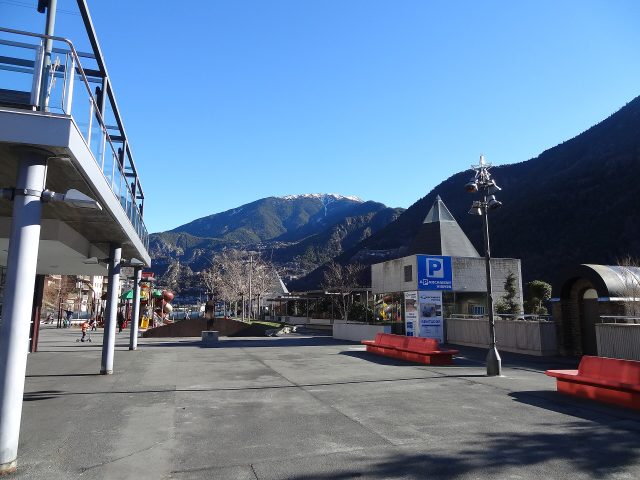
The National Automobile Museum in Andorra la Vella is one of those rare places where the past doesn’t just feel preserved—it feels alive. Housed in a building that once served as a workshop, the museum carries the quiet hum of craftsmanship and innovation in its very walls. There’s no rush here, no modern exhibition halls with sleek displays designed to dazzle. Instead, the collection unfolds like a story, each vehicle a chapter in the evolution of how we move, how we live, and how the world has changed.
The museum’s collection spans from the late 19th century to the mid-20th, with around sixty cars, motorcycles, and bicycles that trace the arc of automotive history. The earliest models are the most striking—a De Dion-Bouton steam car from 1898, for instance, looks like a horse-drawn carriage that forgot its horses, its copper boiler and pipes a reminder of how far engineering has come. Nearby, the elegant limousines of the early 1900s stand as relics of an era when cars were not just transportation but symbols of wealth and status. Their curves and craftsmanship speak of a time when every detail was meant to impress, when driving was as much about making an entrance as it was about getting from one place to another.
The 1920s and 1930s are particularly well represented, a period when the automobile industry exploded and cars became more than just playthings for the rich. The Citroën 5CV, with its compact frame and cheerful colors, was one of the first cars designed to be affordable, while the Ford Model T democratized mobility for the middle class. Then there’s the Hispano-Suiza, a masterpiece of luxury engineering, its name alone evoking an era of opulence. These cars weren’t just machines; they were catalysts for social change, reshaping cities, altering gender roles, and paving the way—literally—for the modern world.
The motorcycles and bicycles in the collection tell their own stories. The earliest bicycles, with their wooden frames and simple mechanics, offer a glimpse into a time when two wheels were the most accessible form of personal transport. By the 1920s, motorcycles like the Harley-Davidson had become symbols of freedom and rebellion, their growling engines a soundtrack to a new kind of adventure. Even the advertising posters and old photographs scattered throughout the museum add depth, showing how these machines were marketed, raced, and integrated into daily life.
What makes this museum special is how it goes beyond the vehicles themselves. The exhibits include tools, repair manuals, and even personal items from early drivers and racers, creating a fuller picture of the era. You can see how design evolved—from the boxy, utilitarian shapes of early cars to the sleeker, more aerodynamic forms of the 1930s—and how technology advanced, from hand cranks to electric starters. Some displays recreate scenes from the past, like a vintage garage or a roadside filling station, complete with old-fashioned pumps and cans of oil. It’s these details that make the history feel tangible, as if you could step into the scene and hear the clatter of tools or the hum of an engine starting up.
The building itself is part of the experience. Built in the early 20th century, it retains much of its original character—high ceilings, large windows, and exposed brickwork that give the space an airy, uncluttered feel. The layout encourages slow exploration, with each vehicle given room to breathe. There’s no sense of being rushed or overwhelmed; instead, you can take your time, walking around each car, admiring the craftsmanship, and imagining the hands that once turned the steering wheel or polished the chrome.
For a country like Andorra, known more for its mountain landscapes and ski resorts than its automotive history, the museum is an unexpected gem. It’s a quiet reminder that even in a small nation nestled in the Pyrenees, there’s room for stories of innovation and progress. Unlike the crowded, bustling museums of larger cities, this one has an intimate, almost personal feel. There are no crowds, no guided tours rushing you along—just the chance to wander, to linger, and to let the past unfold at its own pace.
This isn’t just a museum for car enthusiasts. It’s a place for anyone who appreciates history, design, or the simple pleasure of looking at old things and wondering about the lives they’ve touched. There are no flashy interactive displays or high-tech exhibits, and that’s part of the charm. The cars don’t need gimmicks to speak for themselves. They tell stories of speed and freedom, of the first long road trips and the first traffic jams, of the people who dreamed of going farther and faster than ever before.
Walking through the museum, it’s hard not to feel a sense of nostalgia, even if you’ve never lived through the eras on display. Maybe it’s because these vehicles aren’t just relics—they’re witnesses to a time of transformation. They saw the birth of the open road, the rise of the weekend getaway, the moment when the world suddenly felt smaller. Standing in front of them, you can almost hear the echoes of those who drove them, who tinkered with them, who relied on them. For a little while, you’re not just a visitor; you’re part of the story.