Akureyri’s Aviation Museum is one of those quiet, unassuming places that reveals itself slowly, like a story unfolding in layers. Tucked away near the town’s small airport, it doesn’t demand attention the way some of Iceland’s more dramatic landmarks do. Instead, it invites you in with the promise of something personal—a glimpse into the country’s relationship with flight, which has always been more about necessity than glamour.
The museum occupies a modest hangar, its exterior weathered by the Arctic winds that sweep down from the surrounding mountains. Inside, the space feels both intimate and expansive, filled with aircraft that tell a century’s worth of Icelandic aviation history. The planes here aren’t just relics; they’re witnesses to the country’s isolation and its gradual connection to the wider world. Some of them were workhorses, ferrying supplies to remote villages when roads were impassable or nonexistent. Others carried passengers across the North Atlantic when commercial flights were still a novelty. Each one has a story, and the museum lets them speak for themselves, without fanfare.
One of the most striking exhibits is a Douglas DC-3, a plane that became a symbol of Iceland’s early commercial aviation. In the mid-20th century, this aircraft was a lifeline, linking Reykjavík to Akureyri and other northern towns when travel by sea was slow and unreliable. The DC-3’s presence here is a reminder of how aviation transformed Iceland from a collection of scattered communities into a more cohesive nation. Nearby, smaller planes like the Piper Cub and the Cessna 172 evoke a different era—one of bush pilots and daring landings on gravel strips carved into volcanic landscapes. These were the machines that made the impossible possible, whether it was delivering mail to a fishing village or airlifting a sick child to a hospital.
The museum doesn’t just focus on the hardware. There are displays that trace the human side of Icelandic aviation, from the pioneers who first took to the skies in the 1910s to the mechanics who kept the planes flying in harsh conditions. Photographs and personal accounts bring these stories to life, showing how aviation was never just about technology but about people—those who flew, those who built, and those who relied on these machines to survive. One exhibit highlights the role of women in Iceland’s aviation history, including the country’s first female pilot, who earned her license in the 1930s at a time when flying was still a male-dominated field.
What makes the museum feel alive is its connection to the present. Akureyri’s airport is still a working one, and from the museum’s windows, you can watch small planes take off and land against the backdrop of snow-capped peaks. The sound of engines humming in the distance blends with the quiet hum of the exhibits, creating a sense of continuity. This isn’t a place that freezes history in time; it shows how the past and present coexist, how the challenges of flying in Iceland haven’t really changed, even as the technology has.
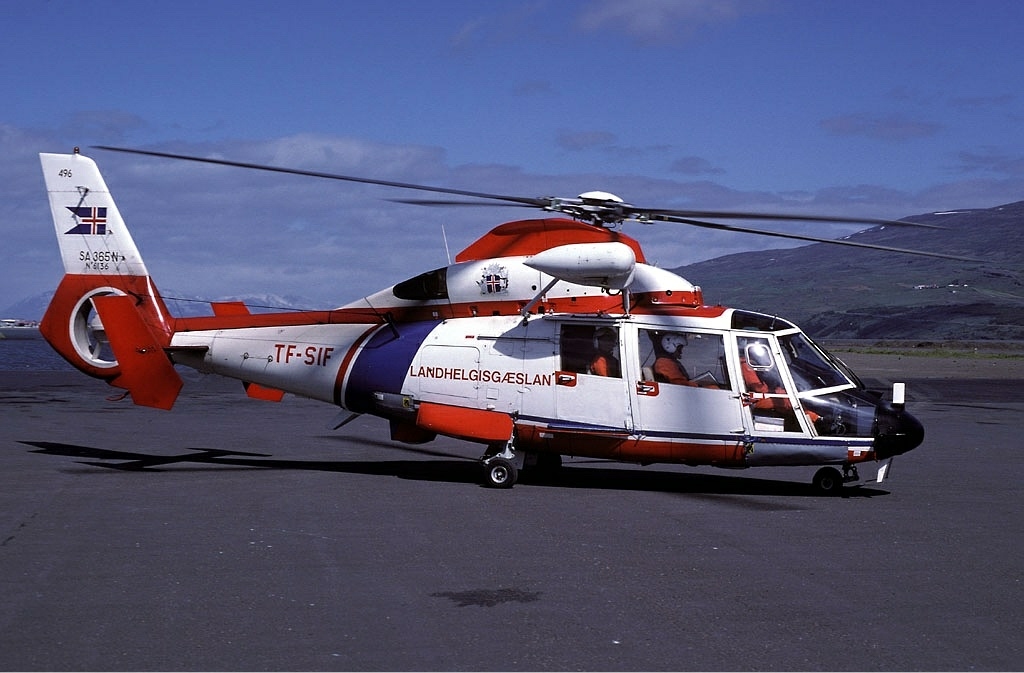
The building itself has its own quiet charm. The hangar was originally part of a military base during World War II, when Iceland’s strategic location made it a key outpost for Allied forces. After the war, it became a civilian facility, and over the decades, it has been repurposed again and again. The museum’s collection grew organically, with planes donated by airlines, private owners, and even the Icelandic Coast Guard. There’s a sense of improvisation here, of history being preserved not by grand design but by the efforts of people who cared enough to save these machines from being scrapped or forgotten.
For visitors, the museum offers more than just a look at old planes. It’s a chance to understand Iceland in a different way—to see how geography and history have shaped the country’s relationship with the sky. The Arctic climate, the rugged terrain, the long distances between settlements—all of these factors made aviation not just useful but essential. The planes here weren’t luxuries; they were tools, and the people who flew them were problem-solvers, adapting to conditions that would have grounded less determined aviators.
If you’re not an aviation enthusiast, the museum might surprise you. It’s not a high-tech, interactive experience, and there’s no attempt to dazzle with flashy displays. Instead, it feels like a conversation with the past, one that’s honest about the struggles and triumphs of Iceland’s aviation history. The exhibits are straightforward, the information is clear, and the atmosphere is unpretentious. It’s the kind of place where you might find yourself lingering longer than you expected, drawn in by the stories of the people who made these machines part of Iceland’s story.
Akureyri itself is a town that rewards slow exploration, and the Aviation Museum fits right in. It’s not a place you’d rush through, nor is it one that tries to compete with the natural wonders just outside its doors. Instead, it offers a quiet counterpoint to Iceland’s dramatic landscapes—a reminder that sometimes the most interesting stories are the ones that unfold in the spaces between the grand vistas. Whether you’re a pilot, a history buff, or just someone curious about how this remote island nation has navigated its place in the world, the museum has something to say. And like all good stories, it leaves you with more questions than answers, inviting you to look up at the sky and wonder.