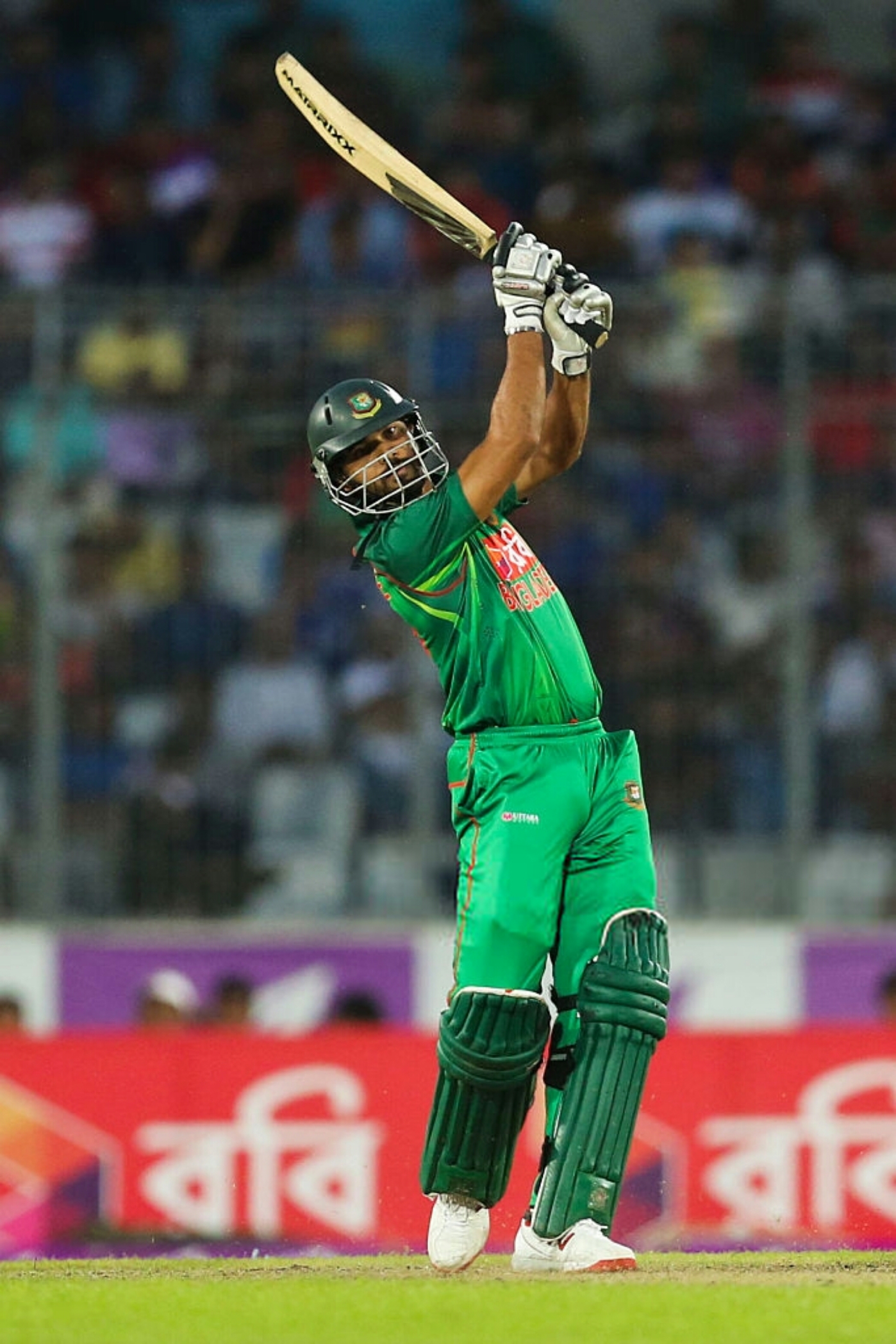
Mirpur Stadium is one of those places in Dhaka that doesn’t immediately catch the eye of visitors, yet it holds a quiet significance for locals. Tucked away in the Mirpur district, it lacks the grandeur of the massive sports complexes found in other capital cities. There are no marble stands or giant screens here—just an unassuming space that reflects the everyday rhythm of life in Bangladesh. The stadium isn’t just for matches; it’s a gathering spot, a training ground, and sometimes even a makeshift marketplace when vendors set up around the field, selling snacks and small trinkets to the crowds.
The history of Mirpur Stadium is woven into the broader story of sports in the country. Built in the mid-20th century, when Bangladesh was still part of Pakistan, it has witnessed decades of change. Over the years, it has hosted football matches, cricket tournaments, and even national celebrations, with the field transforming into a stage for concerts and public gatherings. During the 1971 War of Independence, the stadium served as a temporary refuge for displaced families, a role that left a lasting mark on its legacy. These layers of history give the place a sense of weight, even if it’s not always visible at first glance.
The architecture is straightforward and practical, much like the stadium’s purpose. The open-air stands, designed to hold several thousand spectators, are a product of their time—simple concrete steps that have weathered the years. Unlike modern stadiums with covered seating, here the sun beats down on the crowd during hot afternoons, and fans often bring umbrellas or simply endure the heat. The field itself is surrounded by small stalls and tea shops where locals grab a quick bite—perhaps a cup of sweet milk tea or a fresh paratha—before or after an event. The wear and tear on the structure only adds to its character, a reminder that this is a place built for use, not just for show.
Beyond sports, Mirpur Stadium is a living part of the neighborhood. Mornings often see joggers circling the track, while evenings bring groups of young people playing pickup games of football or cricket. On weekends, the energy shifts as local leagues take over the field and families fill the stands, children perched on their parents’ laps. The biggest crowds gather during national cricket matches, when even those who can’t get inside cluster near the gates, straining to hear the roar of the spectators. It’s a scene that feels spontaneous and unscripted, far removed from the polished events of larger venues.
For outsiders, the stadium might seem like an unlikely place to visit. There are no tourist signs or guided tours, and that’s part of what makes it interesting. If you find yourself in Mirpur, it’s worth stopping by, even just for a few minutes. You might see a group of kids kicking a worn-out ball across the dusty field or hear the distant cheers of a match in progress. There’s no grand spectacle here, just the quiet pulse of daily life in Dhaka.
Sport in Bangladesh is more than just entertainment; it’s a way to bring people together. Mirpur Stadium plays its part in that, even if it’s not as flashy as the stadiums in other countries. It doesn’t claim to be the most beautiful or the most advanced, but it has something many larger venues lack: a sense of belonging. Every match, every practice, every gathering here is a small chapter in the story of the city, written by the people who use it. That, in the end, is what gives the place its real value.