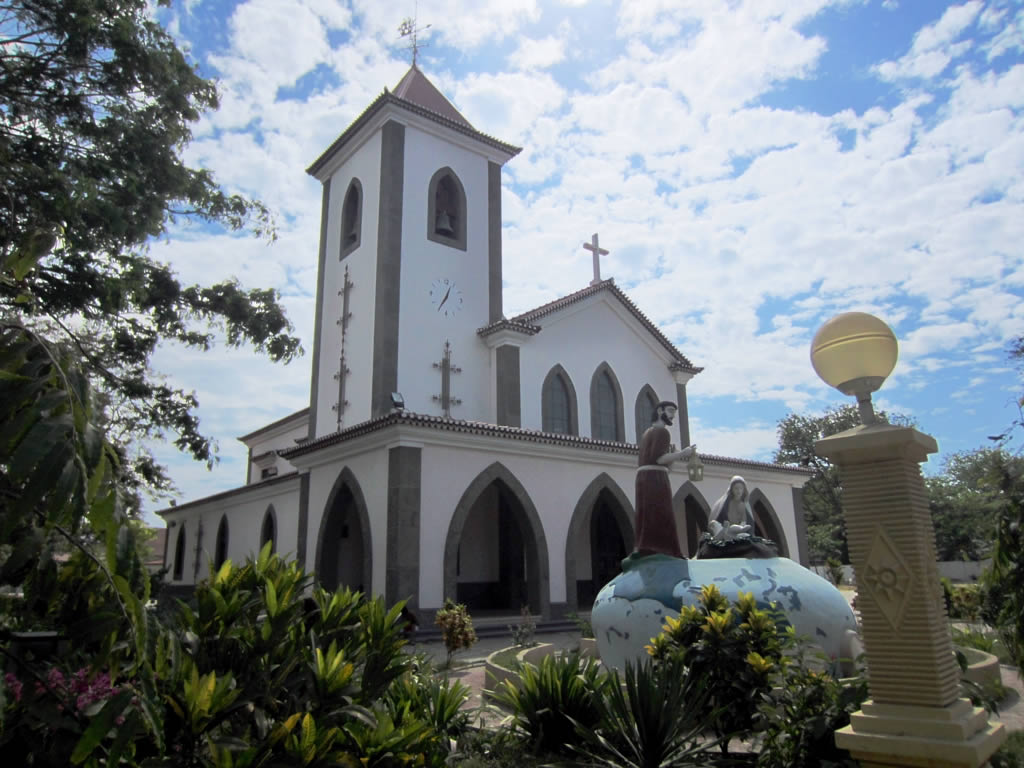
Motael Church in Dili is one of those places that doesn’t demand attention at first glance, yet slowly reveals its quiet significance. Tucked away on a side street not far from the coast, it blends into the low-rise surroundings, easily overlooked amid the city’s more obvious landmarks. But for the people of East Timor, this unassuming building is far more than just a place of worship. It stands as a symbol of resilience and hope, particularly during the years when the country fought for its independence.
Built in the mid-20th century under Portuguese rule, Motael Church became a cornerstone of religious life in a society where Catholicism had already taken deep root. Its architecture is simple and unadorned—whitewashed walls, a modest facade, and a small bell tower. Inside, the space feels airy and bright, with high ceilings and wooden pews that create a sense of calm. There’s no ornate decoration here, and that’s part of what makes it special. The church’s understated design reflects a place meant for reflection rather than spectacle.
The most defining chapter in its history unfolded in 1975, when East Timor declared independence from Portugal. Just days later, Indonesian forces invaded, plunging the country into decades of occupation and violence. During those turbulent years, churches like Motael became sanctuaries. People sought refuge within its walls, and priests risked their own safety to protect those in danger. The church bore witness to fear and courage in equal measure, and for many Timorese, it remains a place where they can still feel a sense of security, even today.
Nowadays, Motael Church is still very much alive. On Sundays, the pews fill with families, elders, and young people gathering for mass, their voices blending in quiet prayer. On weekdays, the doors stay open for anyone who wants to step inside—whether to light a candle, sit in silence, or simply escape the heat for a while. Outside, children sometimes play in the shade, while older residents chat on benches, their conversations drifting through the warm air.
Beyond its religious role, the church serves as a community hub. Small gatherings, charity events, and even impromptu concerts take place here, often featuring traditional Timorese music or choir performances that fill the space with warmth. For many in Dili, Motael is more than a building; it’s a place where people know each other by name, where neighbors come together not just to worship, but to share their lives.
In recent years, a handful of travelers have begun to find their way here, though tourism in East Timor is still in its early stages. Those who do visit often seek out places that offer a glimpse into the country’s real character, beyond its beaches and landscapes. Motael Church fits that description perfectly. There are no guided tours or explanatory plaques, but if you look closely, the details tell their own story—faded photographs on the walls, Portuguese inscriptions from another era, the worn edges of the pews where generations have sat.
At times, the church has played a role in the nation’s broader history. During the long road to independence, it hosted prayers for peace. Politicians and activists have come here to honor those who lost their lives in the struggle. In moments like these, the church becomes more than a place of worship; it transforms into a symbol of unity, a reminder that even in the darkest times, people can find strength in one another.
Visiting Motael Church isn’t about ticking off a tourist attraction. It’s about stepping into a space where the past and present coexist quietly. There’s no grandeur here, no dramatic architecture—just an unassuming building that has witnessed decades of change. You might spend only a few minutes inside, or you might linger, watching as locals come and go, as the priest prepares for the next service, as children dart up the steps. Time seems to slow down here, offering a rare chance to pause and consider what truly matters.