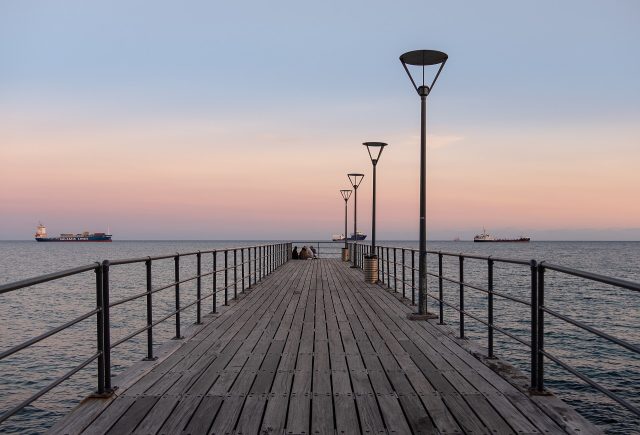
Limassol’s port is one of those places where the past and present don’t just coexist—they actively shape each other. Nestled along the island’s southern coast, it has long been more than just a transit point; it’s a living record of Cyprus’s connections to the wider world. For centuries, ships from Europe, the Levant, and North Africa have docked here, carrying goods, people, and ideas that left their mark on the island. Today, the port remains a vital economic hub, but its significance goes deeper. It’s a place where you can still sense the layers of history in the air, from the days of ancient trade routes to the modern rhythms of global commerce.
The port’s origins stretch back to antiquity, when Limassol was known as Amathus, a thriving city-state linking Greece with the eastern Mediterranean. By the Middle Ages, under Venetian rule, it had become a fortified stronghold, its walls and towers built to fend off pirates and Ottoman raids. The British later modernized the port, turning it into a key export hub for Cypriot wine, olive oil, and copper. Each era left its imprint: the sturdy stone warehouses of the old quarter stand in contrast to the sleek terminals of today, while the harbor itself is a mix of cargo ships, fishing boats, and luxury yachts. The port doesn’t feel like a relic—it’s still very much in use, adapting to the needs of each new generation.
Architecturally, the port is a study in contrasts. The older section, with its low-slung buildings made of local limestone, feels like a step back in time. Narrow alleys between the warehouses, once packed with crates of spices and textiles, now lead to small cafés and shops. The newer part of the port is all about efficiency—wide berths for cruise ships, towering cranes for container vessels, and a modern passenger terminal where ferries depart for Greece and beyond. The juxtaposition of old and new gives the port its character. It’s not a polished tourist attraction, nor is it a soulless industrial zone. Instead, it’s a place where history and functionality coexist, sometimes awkwardly, but always authentically.
For locals, the port is woven into the fabric of daily life. Fishermen still unload their catch at dawn, their boats bobbing alongside the older piers. In the evenings, families stroll along the waterfront, and in summer, the area buzzes with activity—tourists watching the sunset, couples lingering over drinks, and children playing near the water. The promenade has evolved into a social hub, with restaurants and bars spilling onto the pavement, but the port hasn’t lost its working-class roots. Even on the busiest days, the sounds of cranes and ship horns remind you that this is still a place of labor, not just leisure.
Economically, the port is a lifeline for Limassol and Cyprus as a whole. A significant portion of the island’s imports and exports—fuel, construction materials, agricultural products—pass through here. In recent decades, it has also become a stop for cruise ships, introducing travelers to Cyprus before they’ve even set foot on land. For many, the port is their first impression of the island, but even repeat visitors find something new each time. Maybe it’s a hidden taverna serving grilled octopus, or a quiet spot where you can watch the city skyline from the water. The port doesn’t offer grand spectacles, but it does offer a glimpse into the real Cyprus—one that’s pragmatic, resilient, and quietly proud of its role in the world.
What makes Limassol’s port special is its lack of pretense. There’s no forced charm or touristy gimmicks—just the steady pulse of a place that has always been about movement. Mornings belong to the fishermen and dockworkers, afternoons to the travelers and businesspeople, and evenings to those who come to unwind. It’s a space that refuses to be pinned down, shifting effortlessly between work and leisure, history and modernity. That fluidity is its greatest strength. The port doesn’t try to be anything other than what it is: a crossroads where the sea meets the land, and the past meets the present.
If you want to understand Limassol, the port is a good place to start. From here, you can wander into the old town, where medieval fortresses and winding streets tell their own stories, or follow the promenade toward the city’s more contemporary districts. You could catch a ferry to a nearby island, or simply sit by the water and watch the ships come and go. The port doesn’t offer a curated experience—it offers something better: the chance to see the city as it truly is. Dynamic, layered, and unapologetically real, it’s a reminder that the best places aren’t the ones that try to impress you, but the ones that simply exist, quietly shaping the lives of those who pass through them.