The Adem Jashari Memorial Complex in the small village of Prekaz, near Ferizaj, is a place where Kosovo’s recent history feels tangible. It honors one of the most significant figures in the country’s struggle for independence, a man whose name became synonymous with resistance. The complex stands on the site where, in March 1998, a tragic confrontation unfolded—one that marked a turning point in the conflict between Kosovo Albanians and Serbian forces. The family home of the Jasharis, now part of the memorial, was the scene of a siege that claimed dozens of lives, including Adem Jashari, his brother, and many of their relatives.
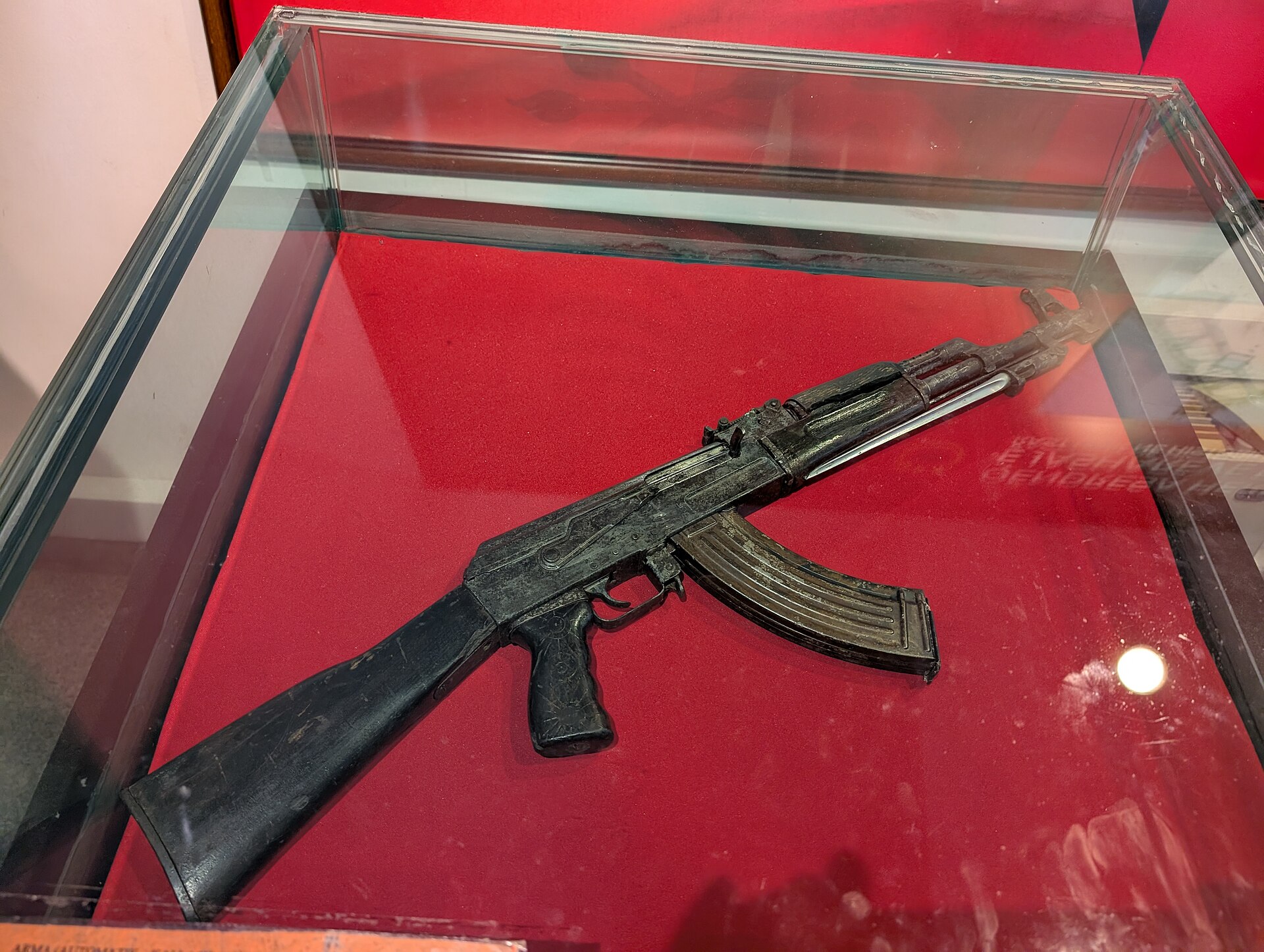
The architecture here is unassuming, and that’s what gives the place its power. The house itself remains largely as it was after the attack, its walls still pockmarked with bullet holes, its beams charred from fire. Everyday objects—furniture, kitchenware, children’s toys—are left in place, preserved as silent witnesses to the violence that took place. Nearby, a modest museum displays photographs, documents, and personal belongings of the Jashari family. The exhibits don’t focus on political intrigue but on the human side of the conflict: letters written in haste, faded family portraits, even a child’s drawing left behind. It’s a stark reminder that history is made up of individual lives, not just grand narratives.
For many Kosovars, this isn’t just a historical site but a place of pilgrimage. People come here not only to pay their respects but to grapple with a past that still shapes the present. On the anniversary of the siege, the village fills with visitors—veterans, relatives of the fallen, young people for whom Kosovo’s history isn’t just dates in a textbook but a living memory passed down through generations. The atmosphere isn’t one of overwhelming grief but of quiet reflection, a shared understanding of loss and resilience.
Prekaz itself is an ordinary village, with narrow streets and traditional stone houses. Yet this unremarkable place holds one of the most painful and defining moments in Kosovo’s history. After the war, the village was rebuilt, but the memory of 1998 remains woven into its identity. Locals treat the memorial with deep reverence, though many are reluctant to speak openly about the past—too much of it is tied to personal tragedy. The silence here isn’t empty; it’s heavy with unspoken stories.
The significance of the memorial extends beyond national memory. Adem Jashari is a figure who looms large in Kosovo’s collective consciousness, often compared to other liberation heroes in different struggles around the world. His name appears on streets, schools, and public buildings, and his image is frequently invoked in political discourse. But in Prekaz, the myth-making fades into the background. What matters here are the real people—their lives, their choices, and the enduring pain that lingers decades later.
Visiting the memorial isn’t like a typical tourist experience. There are no guided tours with rehearsed scripts or detailed plaques explaining every exhibit. The place is designed to let visitors feel the weight of history for themselves. Sometimes, relatives of those who died might be nearby, willing to share their memories, but more often, it’s quiet. That silence allows the past to speak, offering a glimpse into how fragile peace can be and how important it is to remember those who paid for it with their lives.
For outsiders, the memorial can be an unexpected discovery. Kosovo isn’t a country that often makes it into travel guides, and even less attention is given to places like Prekaz. Yet this is where you see a different side of the Balkans—not the one of ancient fortresses and picturesque landscapes, but the one that still bears the scars of recent conflict. A visit here doesn’t provide easy answers, but it does offer a deeper understanding of why the region’s history remains so complex and contested.
The Adem Jashari Memorial Complex isn’t a place for casual curiosity. It demands respect and a willingness to engage with something that doesn’t fit neatly into familiar narratives. There are no grand displays or entertainment here, just the raw, unfiltered weight of memory. For those who come, it’s a reminder that history isn’t just written in textbooks—it’s lived in the stories of ordinary families, in the walls of their homes, and in the quiet moments of reflection that follow loss. That’s what makes this place so powerful.