The Vietnam Veterans Memorial in Washington, D.C., is one of those rare places where silence carries more weight than words ever could. Its creation was anything but straightforward. The idea of honoring those lost in one of America’s most divisive conflicts faced resistance and skepticism for years. When a design competition was finally announced in 1980, few expected the winning proposal to come from Maya Lin, an unknown Yale undergraduate. Her concept—two long, black granite walls sinking into the earth—stunned many. Critics called it somber, too minimalist, even unpatriotic. But when the memorial opened in 1982, its stark simplicity proved to be its greatest strength.
The walls form a wide V, as if embracing the space of the National Mall. Engraved into them are the names of over 58,000 American service members killed or missing in Vietnam. Unlike traditional memorials, the names aren’t arranged by rank or alphabet but in chronological order, from the first casualty in 1959 to the last in 1975. This choice turns the war from a series of battles into a deeply personal tragedy, one that unfolds name by name. Visitors often come searching for a specific person—a brother, a father, a friend—and the memorial becomes a place of quiet reunion. Notes, photographs, medals, and flowers accumulate along the base, small offerings that keep the connection alive.
The polished granite reflects the sky, the trees, and the faces of those who stand before it. The effect is deliberate. Lin wanted visitors to see themselves alongside the names, to feel part of the memorial rather than mere observers. On sunny days, the stone warms underfoot, almost as if breathing. In the rain, water trickles down the engraved letters like tears. The memorial doesn’t demand emotion, but it’s nearly impossible to leave unmoved, even for those who never experienced the war firsthand.
Nearby stands Frederick Hart’s bronze sculpture of three soldiers, added in 1984 as a compromise for those who found Lin’s design too abstract. The figures, armed and in uniform, gaze toward the wall as if guarding the memory of the fallen. This addition brought a more traditional element to the memorial, but it doesn’t overshadow the original intent. There’s no glorification of war here, no grand narrative of victory—just grief and the quiet acknowledgment of lives lost.
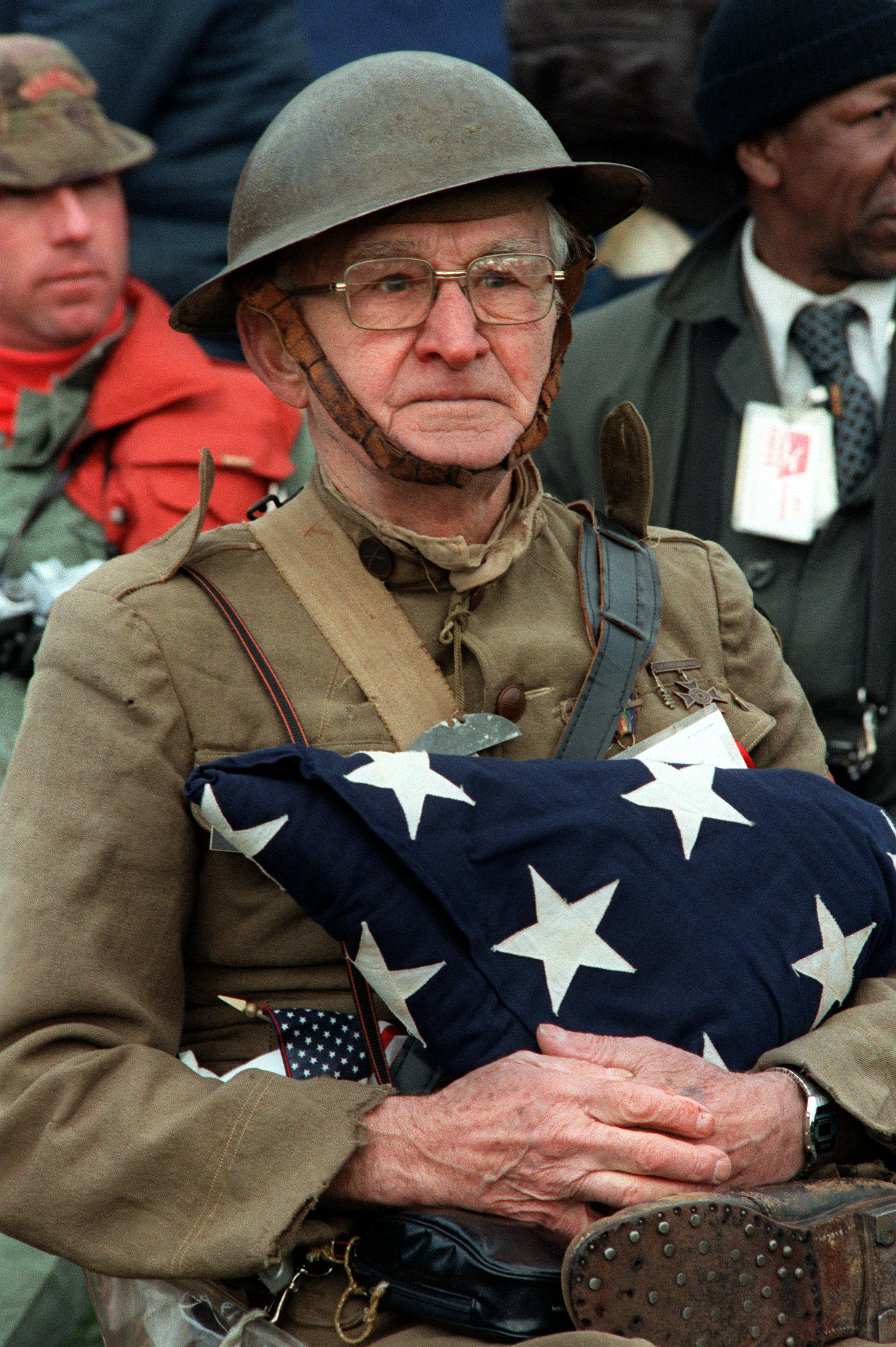
The Vietnam Veterans Memorial also became a place of healing. The war had fractured American society, and veterans returned to a country that often met them with hostility. The memorial offered a space where those wounds could begin to close. Veterans visit frequently, some in wheelchairs, some wearing their medals. They point out names, share stories, or simply stand in silence. For many, the memorial is a reminder that their service mattered, that their sacrifice wasn’t in vain.
Architecturally, the memorial blends seamlessly into its surroundings. It doesn’t dominate the landscape but emerges from it, as if it were always meant to be there. The walls start low to the ground and rise gradually, reaching their highest point—about ten feet—at the center. This design makes the memorial feel like a natural part of the earth rather than an imposing structure. Trees and flowers frame the granite, their living presence contrasting with the stillness of the stone, a reminder that life endures.
The memorial is open at all hours, and people come at any time of day. Early mornings and late evenings are especially poignant, when the light is soft and the crowds thin. In winter, frost clings to the names, making them seem fragile. In summer, the walls are shaded by greenery, as if the memorial itself is breathing with the park. There are no rigid rules here—visitors can sit on the grass, touch the stone, leave offerings. The memorial doesn’t dictate how it should be experienced; it simply offers a space for reflection.
Over time, the Vietnam Veterans Memorial has become an essential part of Washington’s identity, a quiet counterpoint to the city’s more grandiose monuments. It doesn’t celebrate great victories or political leaders but honors ordinary people caught in the currents of history. That’s why it resonates so deeply. Each name on the wall represents a life, a family, dreams left unfulfilled. The memorial doesn’t judge, justify, or condemn—it only remembers. And in that remembering, it finds its power.