Isfahan’s Chahar Bagh Madrasa is one of those places where history feels alive, not just preserved. Built in the early 18th century during the Safavid era, it stands along the famous Chahar Bagh Avenue, a grand boulevard that once connected the city’s royal palaces to its gardens and beyond. The madrasa was part of a larger complex that included a caravanserai, a bazaar, and a mosque, though today only fragments of that original vision remain. Walking through its arched gate, you step into a world where architecture and scholarship were intertwined, where the pursuit of knowledge was as much about beauty as it was about learning.
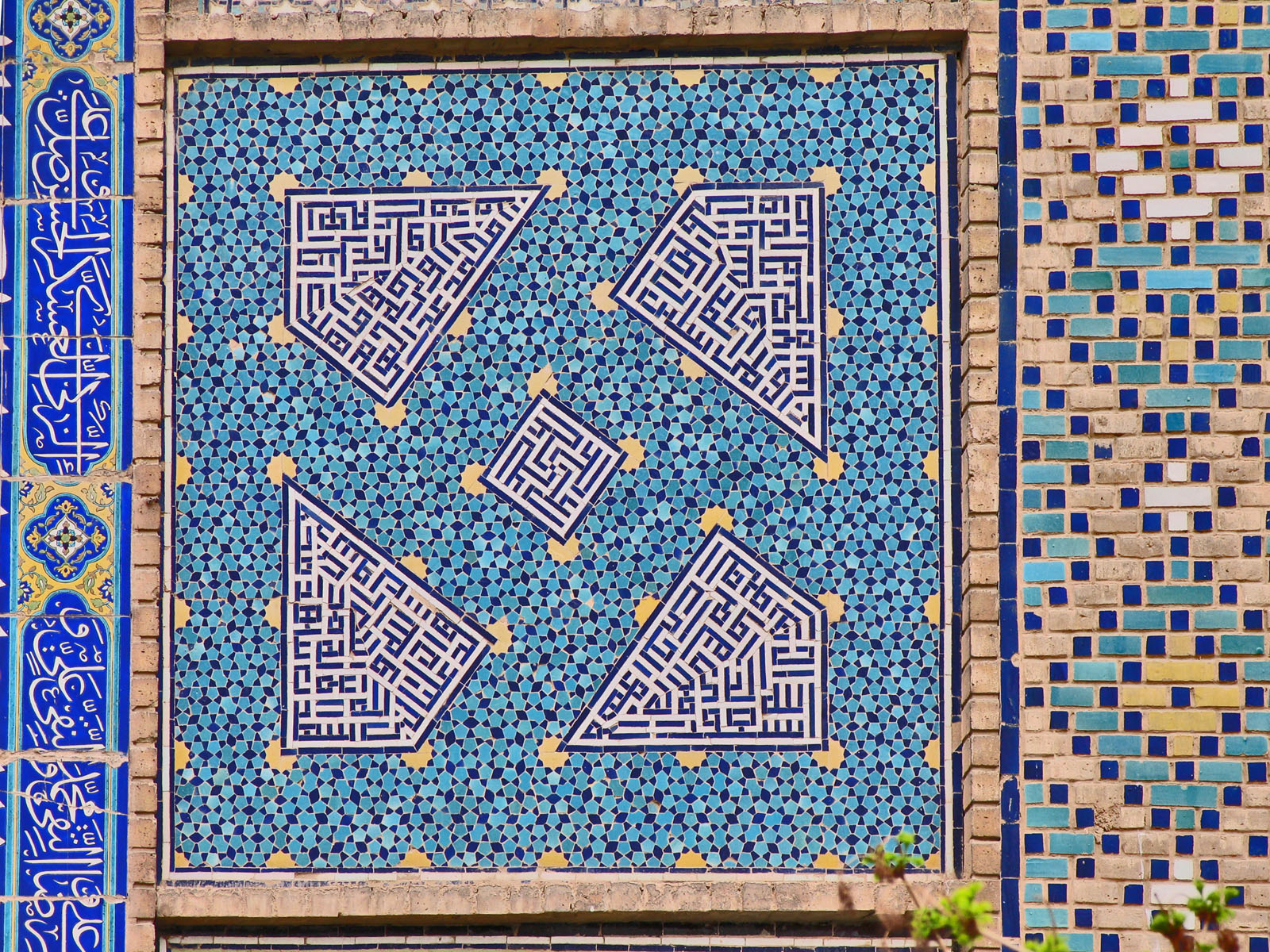
The building itself is a masterclass in Persian design, blending functionality with elegance. The central courtyard, a hallmark of Islamic architecture, is surrounded by two stories of student cells, their wooden doors weathered by time. The iwans—vaulted halls open on one side—frame the space, their intricate tilework catching the light in shifting hues of blue, turquoise, and gold. These tiles aren’t just decoration; they’re a language of their own, with geometric patterns and floral motifs that reflect the era’s artistic sophistication. The play of light and shadow across the surfaces makes the courtyard feel like a living canvas, changing with the time of day.
What’s striking about the madrasa is how it balances grandeur with intimacy. Unlike the imposing scale of some mosques or palaces, this place feels human in scale. The student cells, small and austere, hint at the lives of those who once lived here—scholars, theologians, and students who spent years studying under the guidance of masters. The madrasa wasn’t just a school; it was a community, a place where ideas were debated, texts were copied by hand, and knowledge was passed down through generations. The absence of modern distractions makes it easier to imagine the quiet rhythm of life here centuries ago.
The madrasa’s location on Chahar Bagh Avenue adds another layer to its story. This avenue was the heart of Safavid Isfahan, a city designed to be a paradise on earth. The name Chahar Bagh—meaning "Four Gardens"—refers to the Persian garden layout that once lined the boulevard, with water channels, trees, and pavilions creating a sense of order and beauty. The madrasa was part of this larger vision, a place where the pursuit of knowledge and the appreciation of nature were seen as complementary. Even today, the avenue retains some of its old charm, with plane trees casting dappled shade over the sidewalks and the occasional glimpse of traditional architecture peeking through modern facades.
One of the most fascinating aspects of the madrasa is its connection to the caravanserai that once stood beside it. Caravanserais were the inns of the Silk Road, places where merchants, travelers, and pilgrims could rest, trade, and exchange stories. The proximity of the madrasa to such a hub suggests that Isfahan’s scholars were not isolated from the wider world. Ideas, goods, and people flowed through the city, and the madrasa was very much a part of that exchange. It’s a reminder that even in an era before globalization, knowledge was never static—it traveled, evolved, and adapted.
Visiting the madrasa today, you won’t find crowds or tourist traps. It’s a quiet place, often overlooked in favor of Isfahan’s more famous landmarks like Naqsh-e Jahan Square or the Shah Mosque. But that’s part of its appeal. There’s a sense of discovery here, a chance to step away from the well-trodden path and experience a piece of history that feels untouched by time. The caretakers, if you’re lucky enough to meet them, might share a story or two about the building’s past, though much of its history remains unspoken, embedded in the walls themselves.
The madrasa’s architecture also tells a story of resilience. Isfahan has seen empires rise and fall, invasions, and periods of decline, yet this building has endured. The tiles may be chipped, the wood worn, but the structure stands firm, a testament to the craftsmanship of its builders. It’s a place that invites contemplation—not just of its beauty, but of the passage of time. How many students have walked these halls? How many debates have echoed under these vaulted ceilings? The answers are lost to history, but the questions linger.
For those who take the time to explore it, the Chahar Bagh Madrasa offers a glimpse into a world where learning was sacred, where architecture was a form of devotion, and where every detail had meaning. It’s not a place for quick photos or hurried visits. Instead, it rewards patience, the kind of place where you might sit on a bench in the courtyard, watch the light shift across the tiles, and let the weight of centuries settle around you. In a city as layered as Isfahan, it’s one of those quiet treasures that stays with you long after you’ve left.