The Great Mosque of Kano stands as one of the most significant landmarks in northern Nigeria, a place where history, faith, and daily life intersect in quiet but profound ways. Built in the heart of Kano, a city with roots stretching back over a thousand years, the mosque is more than just a place of worship—it is a living testament to the region’s deep Islamic heritage and its role as a center of trade, scholarship, and cultural exchange. The mosque’s presence in the old city, near the ancient walls and bustling markets, makes it a natural gathering point for locals and a point of curiosity for those who visit.
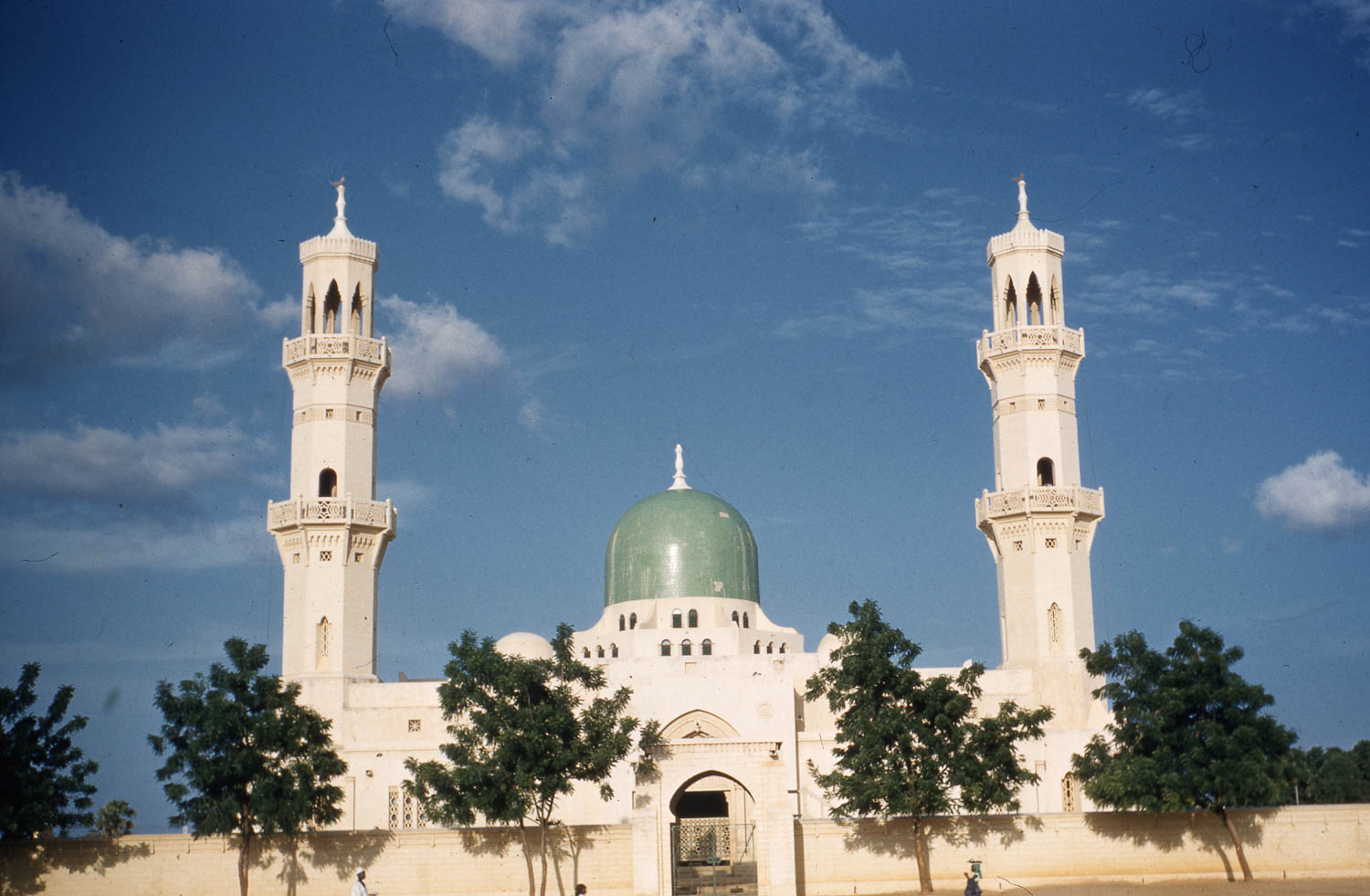
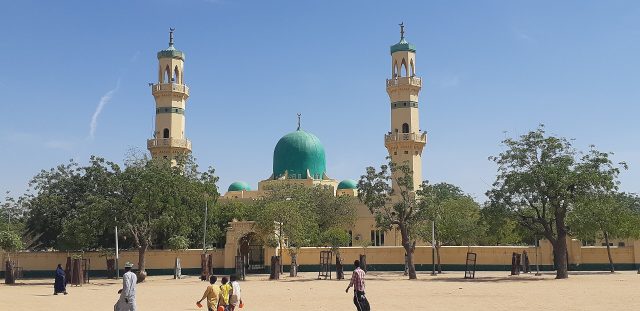
The origins of the Great Mosque are closely tied to the history of Kano itself. The city became a major Islamic hub in the 15th century under the rule of Muhammad Rumfa, a sultan who played a key role in spreading Islam across the Hausa kingdoms. While the exact date of the mosque’s first construction is unclear, it is believed to have been established during this period, evolving over centuries as rulers and communities shaped its form. The current structure, rebuilt in the 20th century, reflects a blend of traditional Sudano-Sahelian architecture and more modern influences, with its large central courtyard, towering minarets, and earthy, sun-baked walls that seem to rise naturally from the surrounding landscape.
What makes the Great Mosque particularly striking is its integration into the fabric of Kano’s old city. Unlike grand, isolated mosques in some other parts of the world, this one sits amid narrow streets, low-slung buildings, and the constant hum of activity. The mosque’s courtyard, often filled with worshippers, students, and visitors, feels like an extension of the city itself. On Fridays, the call to prayer echoes through the air, drawing in crowds that spill into the nearby alleys, where vendors sell kola nuts, prayer beads, and handwoven textiles. The mosque isn’t just a place for prayer—it’s a social space, a place of learning, and a quiet refuge from the heat and noise of the city.
The architecture of the Great Mosque is a study in practicality and symbolism. The use of local materials—mud bricks, wooden beams, and thatched roofs—gives it a grounded, organic feel, as if it grew from the earth rather than being imposed upon it. The minarets, though not as ornate as those in some other Islamic traditions, serve a functional purpose, providing a vantage point for the call to prayer and a visual anchor in the city’s skyline. Inside, the prayer hall is simple but spacious, with rows of columns supporting a high ceiling that allows air to circulate, a necessity in Kano’s hot climate. The lack of excessive decoration is intentional, reflecting the emphasis on humility and devotion in the region’s Islamic practice.
For centuries, the Great Mosque has been a center of religious and intellectual life in Kano. Scholars and clerics have gathered here to discuss theology, law, and philosophy, contributing to the city’s reputation as a place of learning. Even today, the mosque remains a hub for Islamic education, with students studying the Quran and Hadith in its attached schools. The mosque’s role in the community extends beyond religion—it has been a place of refuge during times of conflict, a site for political gatherings, and a symbol of continuity in a city that has seen empires rise and fall. Its endurance is a reminder of how deeply faith is woven into the identity of northern Nigeria.
Visiting the Great Mosque offers a glimpse into the rhythms of life in Kano. The best time to experience it is during the early morning or late afternoon, when the light softens the earthy tones of the walls and the heat is less oppressive. Non-Muslim visitors are generally welcome, though it’s important to dress modestly and be mindful of prayer times. The mosque’s caretakers are often willing to share stories about its history, though conversations may be limited by language barriers. Nearby, the old city’s labyrinthine streets invite exploration, with their centuries-old houses, hidden courtyards, and the occasional glimpse of a donkey cart carrying goods to market.
The Great Mosque is not just a relic of the past—it is a living part of Kano’s present. While the city has grown and modernized, the mosque remains a constant, a place where the old and the new coexist. The sounds of construction and traffic mix with the call to prayer, and the scent of incense from the mosque blends with the aromas of street food from the surrounding markets. For those who take the time to sit in its courtyard or observe the daily rituals, the mosque offers a sense of connection to something larger than the immediate hustle of the city. It’s a place where history feels tangible, where faith is lived rather than merely observed.
Kano itself is a city of contrasts, where ancient traditions meet the pressures of the modern world. The Great Mosque stands as a quiet counterpoint to the energy of the city’s markets, the noise of its streets, and the challenges of its rapid growth. It is a reminder that, in a place where change is constant, some things endure. Whether you come as a traveler, a student of history, or simply someone seeking a moment of reflection, the mosque offers a space to pause and consider the layers of meaning that have accumulated here over centuries. It may not be the most famous mosque in the world, but its significance lies in its authenticity—in the way it belongs to the people of Kano, just as they belong to it.