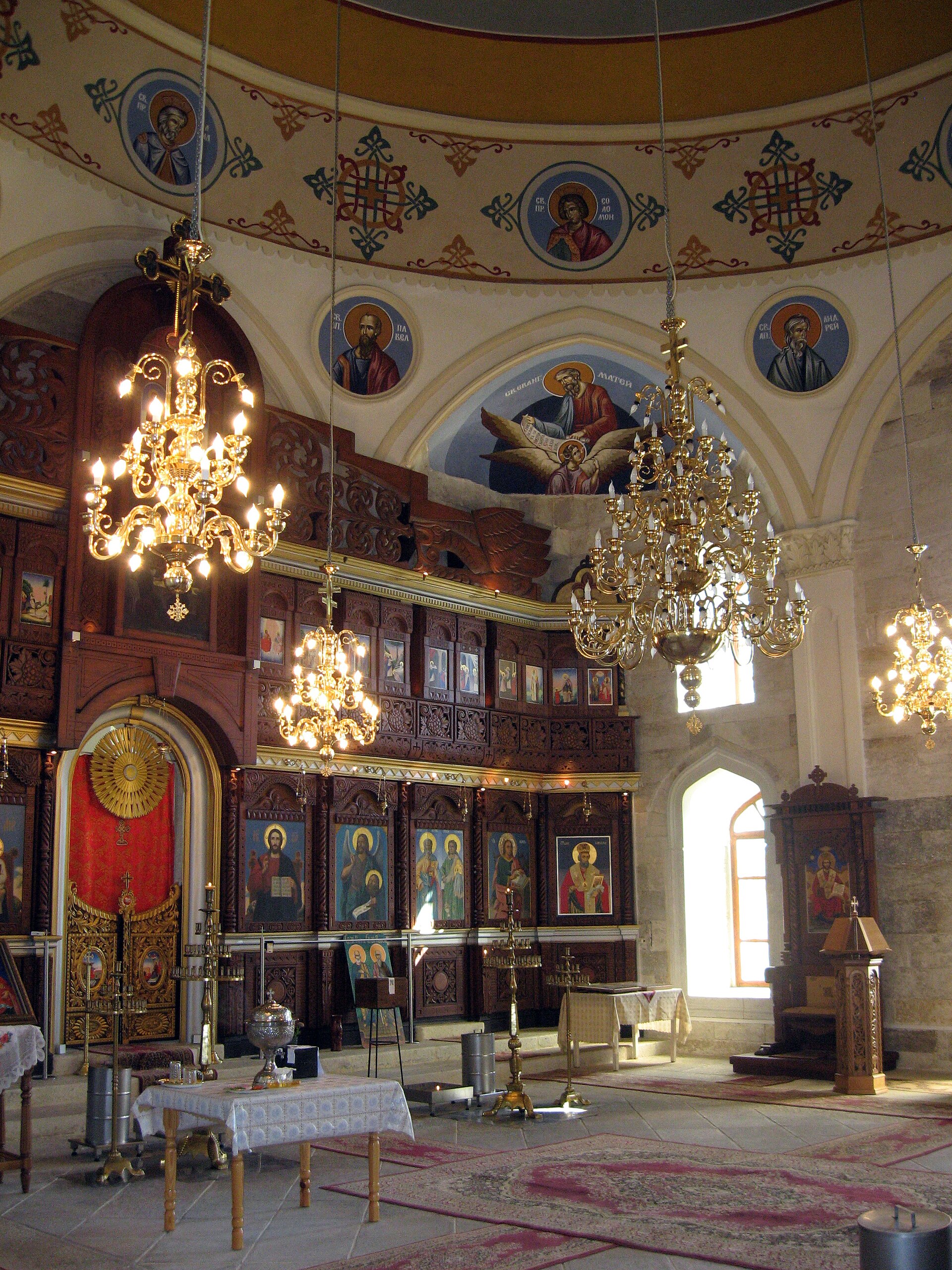
The mosque in Uzundzhovo was built in the 16th century under Ottoman rule. Its minaret once called people to prayer across the fields. Today, the building stands empty, but its walls still hold traces of the past—geometric patterns, calligraphic inscriptions, and the quiet weight of centuries.
It follows the style of Ottoman architecture common in the Balkans during the empire’s peak. The dome rests on sturdy walls, and though the minaret is weathered, its base remains. Inside, the simplicity of the design feels intentional—every line, every curve, meant to serve both faith and function.
Uzundzhovo is a small village, far from Bulgaria’s tourist centers. No crowds, no souvenir stands—just houses, fields, and the slow pace of rural life. The mosque blends into the landscape, its presence unannounced but undeniable.
For locals, it’s part of the village’s past. Some remember it as a place of worship; others know it only as an old building. Few see it as a relic—just a quiet marker of time.
The mosque’s history reflects the region’s shifts. When it was built, this land was Ottoman. Mosques, churches, and synagogues stood side by side, sometimes in peace, sometimes in tension. The mosque was more than a religious site—it was a gathering place, a landmark, a symbol of empire. But as Ottoman power faded and Bulgaria gained independence in the late 19th century, many such buildings were abandoned. This one survived, though its purpose changed.
Now, it’s a monument, not a mosque. The walls are cracked, the paint faded. The minaret, once a village landmark, is incomplete. Yet it still holds a quiet presence. It doesn’t draw crowds, but those who visit often come because it feels untouched by modern tourism.
Reaching Uzundzhovo isn’t easy. The village lies off the main roads, accessible mostly by car. Public transport is rare, and the journey winds through farmland, vineyards, and low hills. The village itself is quiet—a few houses, a shop or two, the rhythm of daily life. If you ask, someone might share a story about the mosque, though details are often vague, passed down through generations.
For those who care about history, the mosque offers a glimpse into the Balkans’ layered past. This region has always been a crossroads—empires rose and fell, cultures and religions intersected. The Ottoman period left its mark here, as did the centuries that followed. The mosque stands as a silent witness, a small but real link to a time when these lands were part of something larger.
There’s no grand story here, no dramatic events tied to this place. That’s why it feels different. It’s not for those seeking spectacle, but for those who notice the quiet weight of history. It doesn’t offer answers, only questions—how places endure, how memories fade, what it means to preserve something that no longer serves its purpose. In a world where so much is polished for visitors, this mosque remains raw and real.