Kara’s mosque is one of those places that doesn’t demand attention at first glance, yet lingers in the mind long after you’ve left. Tucked into the heart of the city, it stands among low clay houses and dusty streets where life moves at the unhurried pace of West Africa’s interior. Unlike the grand mosques of Marrakech or Istanbul, with their gilded domes and marble courtyards, this one is unassuming—its beauty lies not in opulence, but in the quiet way it blends into the rhythm of everyday life.
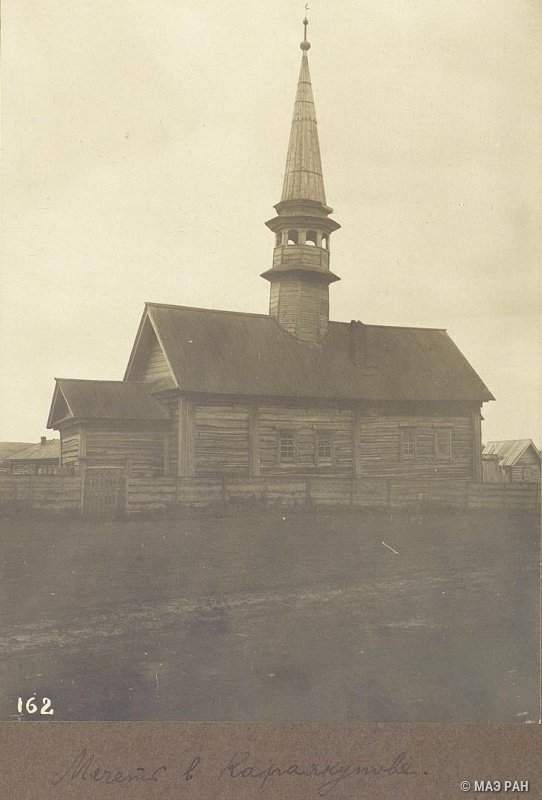
The building itself is simple: a rectangular structure of clay and wood, its flat roof topped by a minaret that looks more like a watchtower than the soaring spires found elsewhere. The facade is adorned with modest geometric patterns carved directly into the clay, a style common in the region, where every line carries meaning. Inside, the space is divided into a few rooms, but the heart of the mosque is the prayer hall, where carpets lie over packed earth. There are no air conditioners or cushioned seats, just the coolness of the clay walls and the soft murmur of prayers.
The mosque’s history is woven into Kara’s own story. The city, in northern Togo, has long been a crossroads where traders, travelers, and cultures intersected. Islam arrived here with merchants and wanderers, gradually taking root among the local communities. Like many mosques in the region, this one wasn’t built in a single season—it grew over time, with knowledge passed down through generations. The clay for its walls was dug from the riverbanks nearby, and the wooden beams for the roof came from the surrounding forests. In a way, the mosque feels like it emerged from the land itself, shaped by the hands of those who live here.
For the people of Kara, the mosque is more than a place of worship. It’s a gathering spot where disputes are settled, children learn to recite the Quran, and elders share stories of the past. On Fridays, when the largest crowds gather, the square outside transforms into a bustling market. Vendors spread their goods on the ground, women sell flatbreads and fruit, and children dart between the stalls. The atmosphere is far removed from the formal rituals of larger mosques—here, everything feels more personal, as if you’ve stepped into a home where everyone knows each other’s name.
The architecture reflects not just religious tradition, but the practical needs of the climate. Thick clay walls keep the interior cool during the scorching days, while small windows shield against the sun’s glare. The roof, made of palm leaves and clay, allows rainwater to run off without damaging the structure. During the rainy season, the mosque takes on a different character: the clay walls darken to a deep reddish hue, and the air fills with the scent of damp earth and blooming flowers. The sounds of the city soften, as if muted by the rain.
Though modest, the mosque plays a significant role in Kara’s cultural life. It stands as a symbol of tolerance, a place where Islam, Christianity, and traditional beliefs coexist peacefully—a common reality in much of West Africa. Visitors are welcome to step inside, provided they do so with respect. The mosque doesn’t turn anyone away, and it’s not uncommon to see people of different faiths passing by or pausing to chat with those gathered outside.
Reaching Kara usually means a long journey from Lomé, Togo’s capital. The ten-hour trip winds through landscapes that might surprise those unfamiliar with this part of Africa: rolling savannas, small villages with round huts, and herds of cattle grazing by the roadside. Kara itself is no tourist hub—there are no luxury hotels or crowded restaurants, just a quiet, slow-moving rhythm of life. The mosque sits in the old quarter, where streets are so narrow that motorcycles barely squeeze through, and houses stand close enough to hear neighbors’ conversations.
If you visit, don’t expect grandeur. The mosque won’t overwhelm you with size or intricate decoration, but that’s precisely what makes it special. It’s a place where faith and daily life intertwine so seamlessly that the line between them blurs. You can sit on the steps outside, watching people hurry to prayer or linger in conversation, or step inside to feel the coolness of the clay walls. Even if you only pass by, you’ll carry with you the sense of a place where time moves differently—a corner of the world where the simplest things feel the most real.