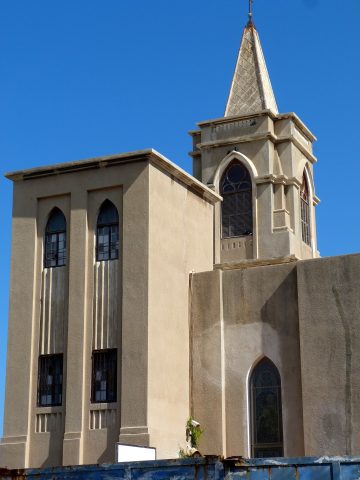
The An-Nasir Mosque sits in Tulkarm’s old quarter. Its pale stone walls blend with the narrow streets, where shopkeepers pull down awnings at dusk and neighbors lean on doorframes to talk. Locals walk past it daily, some pausing to pray, others simply nodding as they go.
The building is small. One minaret, low enough to touch if you stand on the roof next door. Inside, the ceiling is held up by wooden beams, darkened by decades of smoke from oil lamps. The carpets are thin in places, threadbare where feet have trodden the same paths for years. Sunlight comes through lattice windows, throwing shapes that shift as the day moves.
Tulkarm has always been a meeting point. Merchants once carried spices and cloth along roads that passed through here. Empires left traces—Ottoman arches, British-era schools, a marketplace where prices are still shouted in three languages. The mosque has stood through all of it. No one knows its exact age, but the stories say it was old when the Ottomans arrived. It has been patched and repainted, but the layout is the same: a square prayer hall, a courtyard where men wash before prayer, a single door that creaks when opened.
Morning starts early. Elderly men arrive before dawn, their slippers scuffing against the stone steps. They pray, then sit on the benches outside, drinking tea from small glasses. By midday, schoolchildren cut through the courtyard, kicking pebbles as they go. In the evening, families gather on the low wall that separates the mosque from the street. They watch the baker across the road pull loaves from his oven, steam rising into the cool air.
History hasn’t always been kind to Tulkarm. Armies have come and gone. Borders have shifted. Through it all, the mosque has stayed. During the British Mandate, it sheltered families when curfews kept them indoors. In later years, it became a place to wait out shelling, its thick walls muffling the sounds outside. People still talk about those nights, how the call to prayer continued even when the streets were empty.
Few tourists visit. There are no signs pointing the way, no postcards for sale. If you find it, you’ll likely have the place to yourself. Sit on the bench by the entrance. Listen to the water trickling from the fountain where worshippers wash. Watch the light change on the stone as the sun moves. The call to prayer will come, not from a recording, but from a man’s voice, rising and falling in the quiet.
It’s not a grand place. No domes, no gold leaf, no vast halls. Just a building where people have prayed for generations. That’s enough.