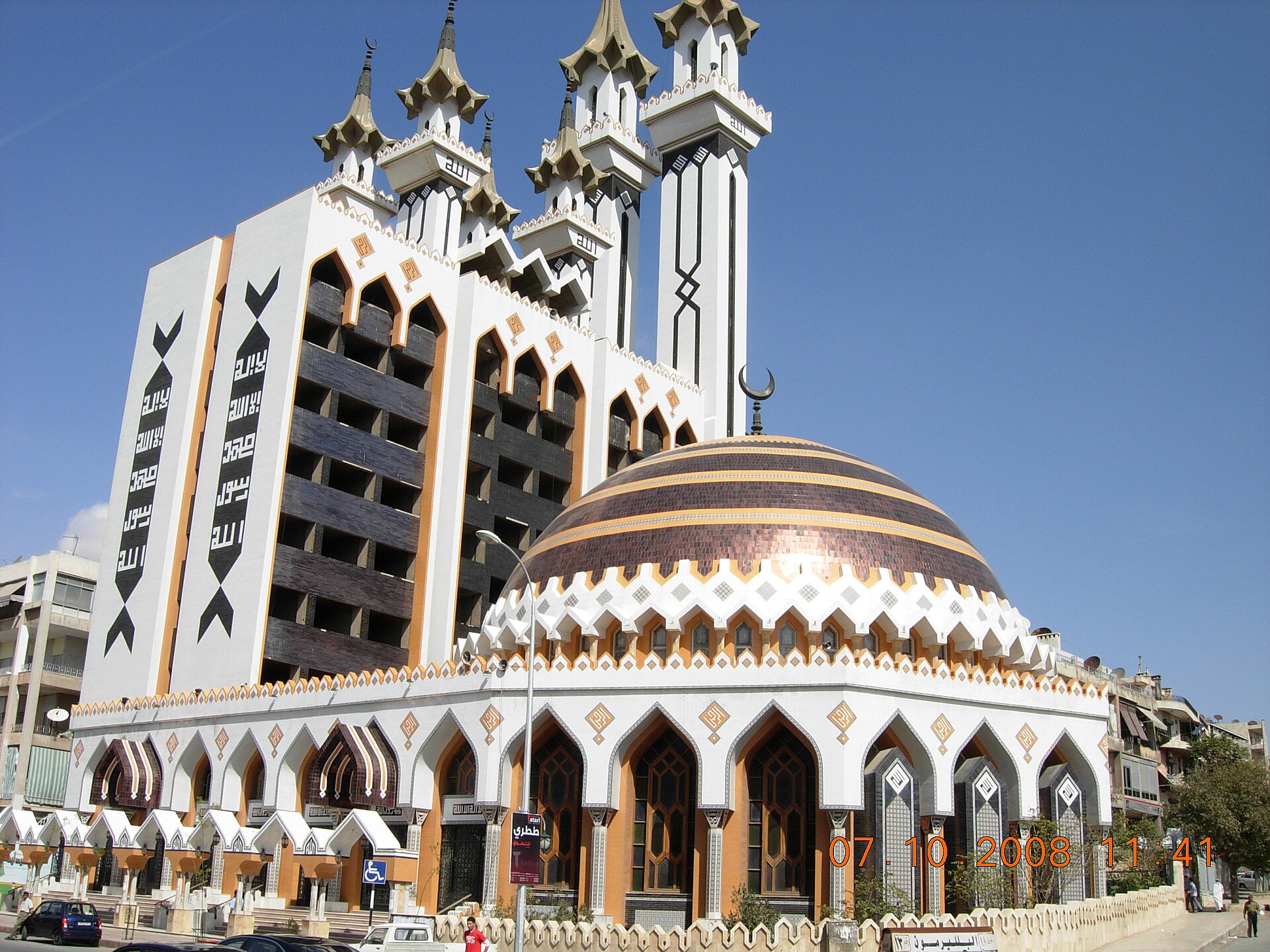
Aazaz is one of those places where history feels closer than the next street corner. The town sits in northern Syria, not far from the Turkish border, a quiet settlement that has seen empires rise and fall—Hittites, Romans, Byzantines, and Ottomans all left their mark here. But for most travelers, Aazaz remains a name on a map rather than a destination, a place overshadowed by the larger cities of Aleppo or Damascus. Yet those who do pass through often find themselves drawn to one particular building: the Al-Rahman Mosque.
The mosque stands near the center of town, its low profile blending into the surrounding streets. Unlike the grand, towering mosques of Istanbul or Cairo, Al-Rahman is modest in scale, built for the rhythms of daily life rather than spectacle. Its walls are made of local stone, weathered by time but still sturdy, and the minaret rises just high enough to be seen from the main road. There’s no ornate tilework or gilded domes here—just a simple, functional space where people gather for prayer, conversation, and quiet reflection.
The exact origins of the mosque are unclear, as is often the case with buildings that have stood for centuries. Some say it dates back to the Ottoman period, when Aazaz was a small but strategically important town along trade routes connecting Anatolia to the Syrian interior. Others suggest it may have been rebuilt or expanded in the 20th century, as the town grew and its needs changed. What is certain is that the mosque has been a constant presence in Aazaz, surviving wars, occupations, and the slow march of time.
Inside, the prayer hall is unadorned but carefully maintained. The floor is covered with woven mats, worn smooth by generations of worshippers. The mihrab, the niche indicating the direction of Mecca, is simple, framed by a few lines of calligraphy. Natural light filters through small windows, casting soft shadows across the walls. There’s a sense of stillness here, a place where the outside world feels distant, even if only for a moment.
The mosque’s courtyard is where the community comes together. It’s a space for more than just prayer—children play in the shade of the walls, elders sit on benches discussing the day’s news, and travelers sometimes stop to rest before continuing their journey. In a town like Aazaz, where life has often been shaped by forces beyond local control, the mosque serves as a grounding presence, a reminder of continuity amid change.
Over the years, the building has seen its share of hardship. The Syrian conflict brought violence to Aazaz, and like much of the town, the mosque bore the scars. Yet it endured, a testament to the resilience of the people who call this place home. Today, it stands as it always has—quiet, unassuming, but deeply rooted in the life of the town.
For visitors, the Al-Rahman Mosque offers a glimpse into the everyday faith and culture of northern Syria. It’s not a monument to be admired from afar but a living part of the community, a place where the sacred and the ordinary intersect. If you find yourself in Aazaz, it’s worth stepping inside, not for the grandeur of its architecture, but for the quiet sense of history that lingers in its walls.