In the heart of Ulaanbaatar, where the city’s modern pulse meets its revolutionary past, stands the Mausoleum of Sükhbaatar. This isn’t just a monument—it’s a quiet anchor in Mongolia’s turbulent 20th-century history, a place where the country’s struggle for independence is etched into stone and memory. Damdin Sükhbaatar, the man interred here, was a central figure in the 1921 Mongolian People’s Revolution, a leader whose name became synonymous with the fight to free Mongolia from foreign domination. The mausoleum was built in the 1920s, shortly after his death, and for generations of Mongolians, it has been more than a burial site. It’s a touchstone for those who remember the stories of their grandparents, the ones who lived through the upheavals that shaped the nation.
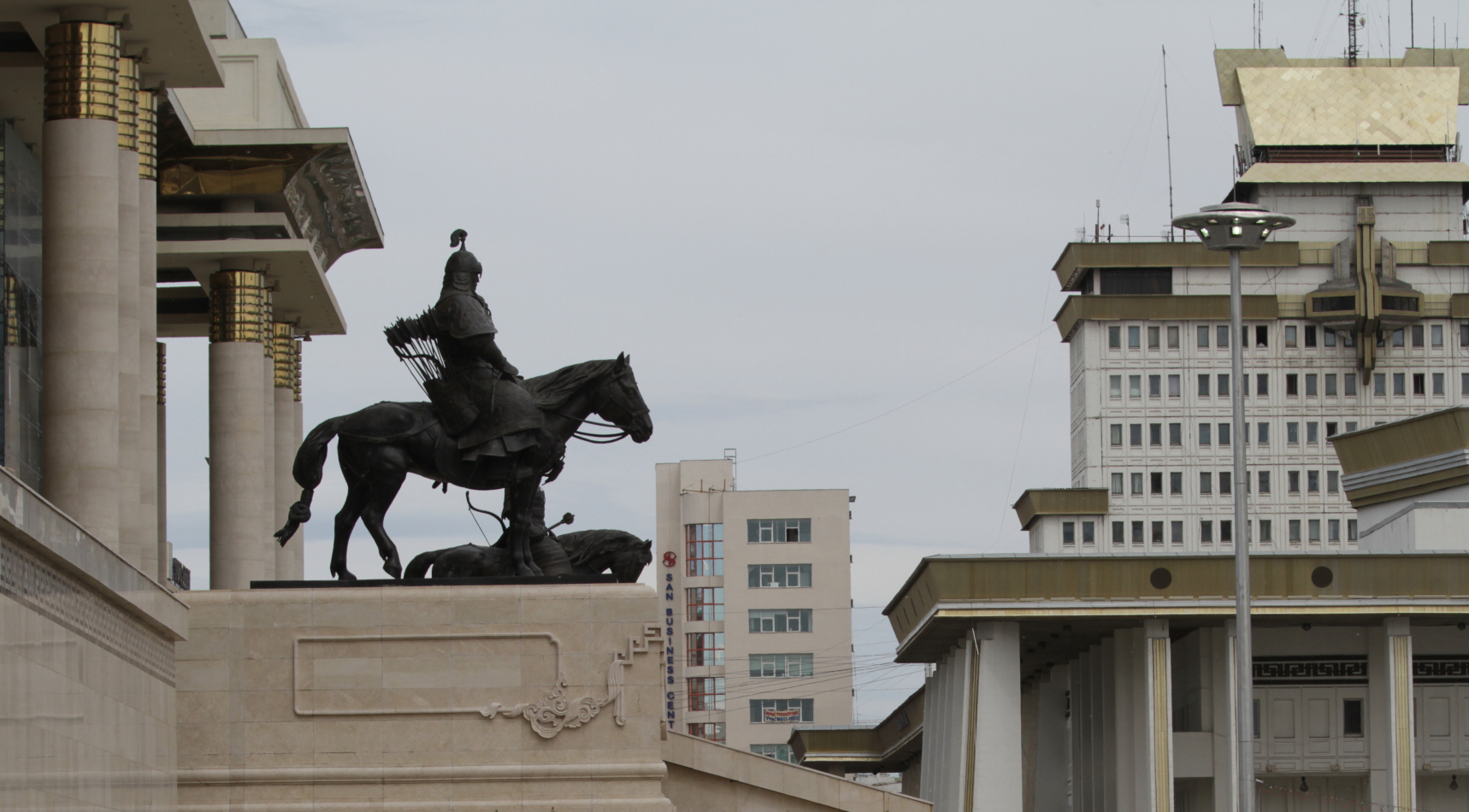
The building itself is unassuming yet striking, a blend of early socialist monumentalism and subtle Mongolian architectural influences. Its facade is clad in pale stone, and above the entrance, a bas-relief depicts Sükhbaatar on horseback, a nod to his role as a military leader. Inside, the atmosphere is one of solemn stillness. The marble walls and dim lighting create a space that feels both reverent and restrained. Alongside Sükhbaatar’s sarcophagus lies that of Khorloogiin Choibalsan, another key figure in Mongolia’s revolutionary era. A ceremonial guard stands watch, changing shifts every few hours, their presence a reminder of the weight this place carries.
For many Mongolians, the mausoleum is more than a historical site—it’s a gathering point during national holidays. On July 11th, Mongolia’s Revolution Day, the square in front of the mausoleum comes alive with parades, concerts, and speeches. Veterans, families, and young people converge here, not just to honor the past, but to feel its connection to the present. Even those who aren’t particularly political often stop by, drawn by the quiet significance of the place. It’s a rare spot in Ulaanbaatar where history isn’t just remembered—it’s felt.
The mausoleum has weathered its share of changes. In the 1950s, it was renovated to give it a more imposing appearance, and in the 1990s, after Mongolia’s shift away from socialism, there were debates about relocating the remains. In the end, the decision was made to leave things as they were, recognizing the mausoleum as an indelible part of the country’s heritage. Today, it’s less a symbol of ideology and more a testament to the enduring nature of history. It doesn’t demand reverence—it simply exists, a silent witness to the forces that shaped modern Mongolia.
The square in front of the mausoleum is one of the few places in Ulaanbaatar where the layers of the city’s past and present coexist so visibly. The Government Palace, a relic of the Soviet era, stands nearby, while just beyond it, glass-fronted office buildings and shopping centers rise into the skyline. The square is a stage for public life—protests, festivals, even impromptu sports events take place here. In the summer, it’s a bustling hub where locals and tourists mingle, but in winter, when temperatures plummet below -30°C, it empties out, leaving only the hardiest souls to brave the cold. Yet even then, the square remains a focal point, a place where the city’s heartbeat is most palpable.
Visiting the mausoleum offers a chance to step into the story of Mongolia, to understand the people and events that forged the country’s identity. There are no grand exhibits or ornate decorations here—just the quiet dignity of a place that has seen a century of change. It doesn’t try to impress; it simply endures, a reminder that history is often shaped by the determination of a few. For travelers, the mausoleum might not be the most obvious stop, but those who take the time to linger will see Ulaanbaatar in a different light—not just as a bustling capital, but as a city with deep roots and a complex past.
The area around the mausoleum is always alive with people for whom this place holds personal meaning. Some come to honor relatives who fought in the revolution, while others sit on the benches, lost in thought about the past. School groups often visit, listening to teachers recount events from a century ago, and elderly Mongolians sometimes stop by, their memories stretching back to a time when the square looked very different. This is what makes the mausoleum special—it bridges generations, turning history from a collection of dates into something lived and shared.
Today, the Mausoleum of Sükhbaatar is more than a monument; it’s a part of Ulaanbaatar’s daily rhythm. It doesn’t demand attention, but it doesn’t fade into the background either. It stands on the square, a silent observer of the city’s evolution, waiting for those who seek it out. For some, it will be just another stop on a tour, but for others, it will become a meaningful place in their own story. Either way, it’s worth noticing—because places like this are what make a city feel real.