Maraya is one of those rare places in the Arabian Peninsula where time seems to move at its own unhurried pace. Tucked away among the rocky hills of northwestern Saudi Arabia, this ancient oasis has for millennia offered refuge to caravans, traders, and travelers crossing the desert in search of water, rest, and safe passage. Today, it remains not just a site of rich history but a living testament to the delicate balance between people and the land they have called home for generations.
The oasis sits in a valley framed by towering cliffs of reddish sandstone, their hues shifting from golden to deep crimson as the sun moves across the sky. These natural walls provide shelter from the wind and the scorching heat while also guarding a lesser-known treasure: petroglyphs etched into the rock faces by nomadic tribes and early inhabitants. Among the carvings are images of camels, hunters with bows, and more enigmatic symbols whose meanings still spark debate among researchers. Some of these drawings are so old they predate written history, offering a silent glimpse into the lives of those who once roamed these lands.
Water has always been the lifeblood of Maraya. Springs rising from beneath the earth nourish palm groves, gardens, and fields, transforming the arid valley into a green haven in the heart of the desert. For centuries, the people here relied on an intricate system of irrigation, passing down knowledge of how to share and manage water among households. Even now, some of the old channels and wells remain in use, a quiet reminder of the ingenuity of those who came before. Modern technology has arrived, but the rhythm of life in the oasis still follows the same ancient patterns.
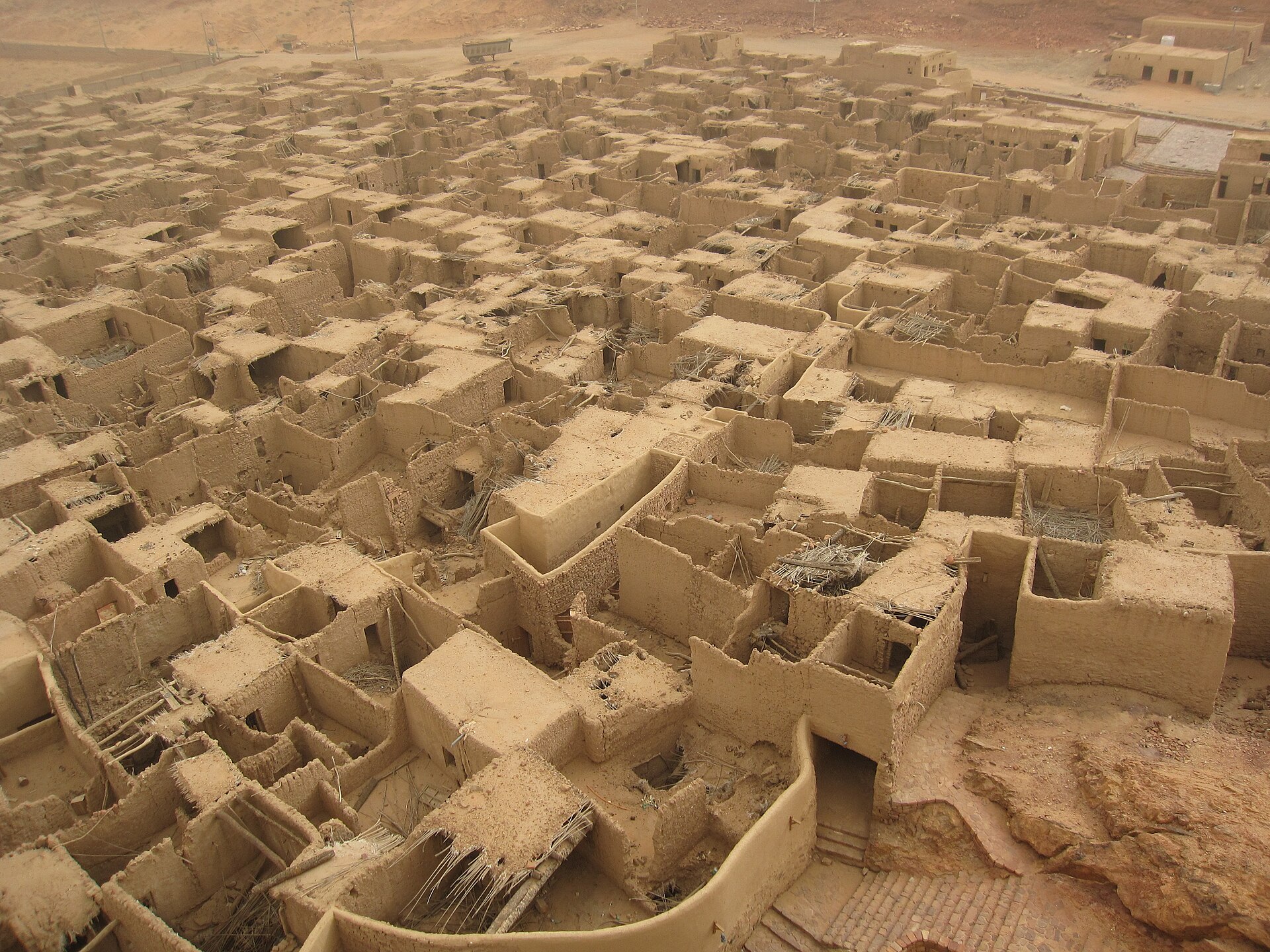
The architecture of Maraya is as much a part of its story as the landscape itself. Homes were built from clay and stone, materials drawn directly from the earth, their thick walls designed to keep out the heat of the day and retain coolness at night. Narrow alleyways wind between the buildings, creating pockets of shade where the air feels a few degrees cooler. Many of these structures have stood for generations, though time and the occasional heavy rain have taken their toll. In recent years, efforts have been made to restore some of the most significant buildings, ensuring that the character of the oasis endures.
Maraya’s history is deeply intertwined with the ancient Incense Route, a network of trade paths that once connected southern Arabia to the Mediterranean. For thousands of years, caravans laden with frankincense, myrrh, spices, and other precious goods passed through this valley, stopping to rest, replenish supplies, and exchange news with fellow travelers. The oasis was more than just a waypoint—it was a place where stories were shared, deals were struck, and legends of the East began to take shape. Some historians believe that the tales of wealth and wonder that later inspired European explorers may have first been whispered here, beneath the shade of date palms.
Today, Maraya remains a quiet place, far from the bustle of more famous destinations in Saudi Arabia. Visitors can wander its winding streets, peek into the courtyards of old houses, and listen to the rustle of palm fronds in the breeze. Life here moves at a slower pace, much as it has for centuries. Occasionally, traditional markets spring up in the oasis, offering fresh dates, spices, and handmade crafts from local artisans. There are no grand attractions or crowds, just the simple, enduring rhythm of a place that has always been more about survival than spectacle.
In recent years, Maraya has begun to draw more attention as Saudi Arabia opens its doors to the world. The country is investing in preserving its cultural heritage, and this oasis is a key part of that effort. For those who make the journey, it’s important to remember that Maraya is not a museum—it’s a living community where the past and present coexist. There are no flashy signs or tourist traps, just the quiet dignity of a place that has withstood the test of time.
A visit to Maraya is a journey through both space and history. Every stone, every palm tree, and every sip of water from an ancient well carries a story. If you listen closely, you might hear the echoes of the past—the murmur of traders haggling over goods, the laughter of children playing in the shade, or the distant call of a caravan preparing to set off across the sands. It’s a place where the desert’s harsh beauty is softened by the resilience of those who have learned to thrive within it.