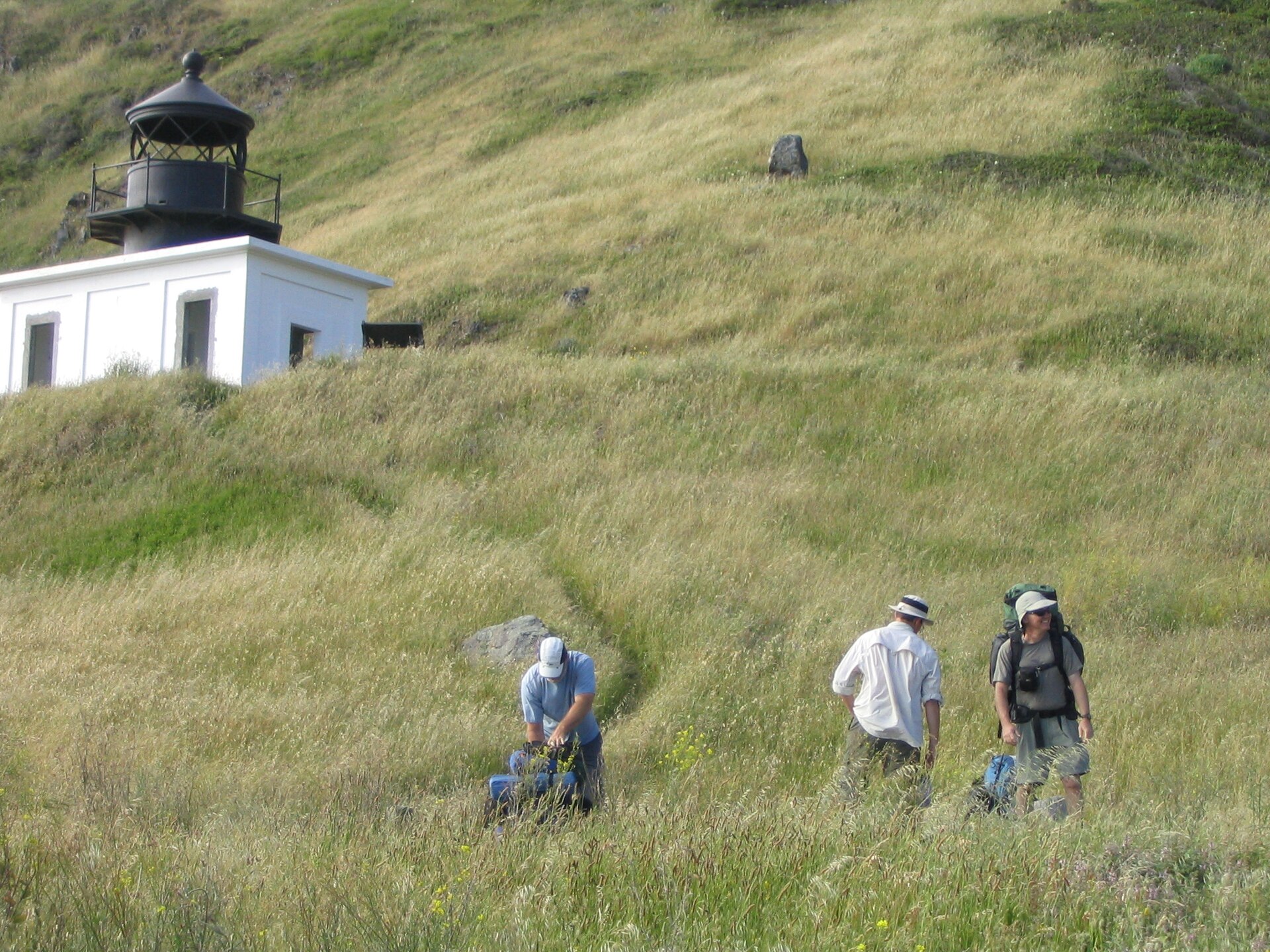
At the edge of Punta Gorda, where the Caribbean Sea meets Belize’s southern coast, a whitewashed tower stands. It’s not tall or ornate, but it anchors the town in ways you notice only if you look.
The lighthouse went up in the early 1900s, part of a push to make the waters safer. Ships back then carried mahogany, chicle, and other goods that kept the local economy alive. Punta Gorda was a small but busy settlement, and the light helped vessels avoid the reefs just offshore.
The design is simple: a functional tower, no frills. It wasn’t built to impress but to work. Its beam, weaker than those in stormier seas, was enough to guide fishermen and traders into the harbor.
Over the years, the lighthouse has watched Punta Gorda change. The town grew from a sleepy outpost into a place shaped by Garifuna culture, Maya traditions, and the slow creep of tourism. The lighthouse doesn’t ask for attention, but if you pause, it gives something back.
The coast around it is quiet. The sea laps against the shore in the same rhythm it always has. Locals walk here in the early mornings or late afternoons, when the heat eases. There’s no visitor center, no guided tours—just rocks to sit on and waves to watch.
Punta Gorda moves at its own pace. Tourism exists, but it doesn’t dictate life here. The Garifuna community, descendants of African and Indigenous Caribbean people, shapes the town’s character. Their music, food, and traditions are everywhere. The lighthouse, in its quiet way, reminds you that the town’s connection to the sea runs deeper than trade.
For the Garifuna, the ocean is sustenance, culture, history. The lighthouse has seen it all.
The structure is utilitarian, but it’s also resilient. Belize gets hurricanes, and the lighthouse has weathered them. Repairs have kept it standing, and it’s still in use today, its light still guiding boats, even if GPS has made it less essential.
If you visit, don’t expect plaques or exhibits. But ask around, and locals might tell you about the ships that once anchored here or the fishermen who still set out from the nearby docks. The harbor isn’t as busy as it was, but it’s still a working port.
Dusk is the best time to come. The lighthouse’s beam cuts through the fading light, and the sky over the Caribbean turns orange, pink, purple. The moment is quiet, far from the crowds of busier places. Just waves, seabirds, and the occasional creak of a boat.
The lighthouse doesn’t try to be anything more than it is. It’s a place where history, culture, and the sea meet without fuss. If you take the time, it might give you a sense of how life moves in this corner of Belize.