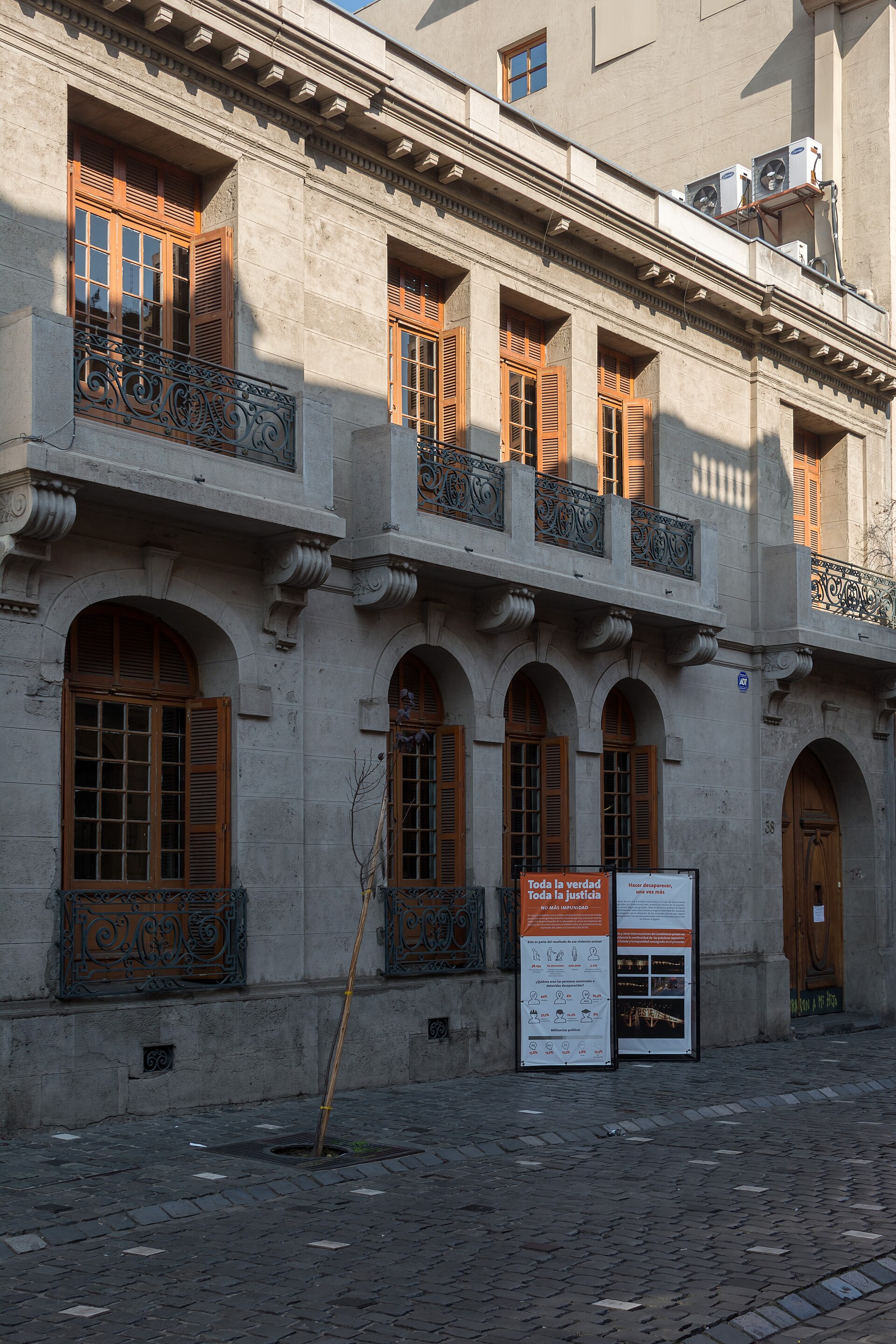
Londres 38 is a quiet, unassuming house tucked away on a side street in central Santiago. From the outside, it looks like any other building in the neighborhood—two stories, modest architecture, nothing to draw the eye. But for Chile, this address carries a weight that few others do. It was here, during the darkest years of Augusto Pinochet’s dictatorship, that a secret detention center operated, where political prisoners were interrogated, tortured, and often disappeared without a trace.
The name itself is simple, taken from the street where the house stands. Yet for many Chileans, Londres 38 has become something far more than an address. It’s a symbol of the brutality that defined an era, a place where the state’s violence was hidden in plain sight. The building’s ordinary appearance only makes its history more unsettling. How could something so mundane have been the setting for such horror?
After the 1973 military coup, the house was seized by DINA, Pinochet’s secret police. What followed were years of systematic repression. The basement, now a stark memorial, still bears the marks of those who were held here—names scratched into the walls, dates, desperate messages. Time and moisture have faded some of them, but the staff work carefully to preserve what remains. These fragments are all that’s left of people who vanished into the regime’s machinery of fear.
No one knows exactly how many passed through Londres 38. Estimates suggest hundreds, though the true number may never be known. The victims weren’t just political activists; they were students, teachers, workers—anyone suspected of dissent. The house was one of many such sites across Chile, but its location in the heart of the capital made it particularly chilling. It was a place where the regime’s reach felt inescapable.
For years after the dictatorship ended in 1990, the building stood empty. The government showed little interest in preserving it, and Chilean society, still grappling with the trauma of those years, often preferred silence. It wasn’t until the 2000s that activists and families of the disappeared began pushing for the site to be turned into a memorial. In 2005, the house was handed over to a human rights organization, and today it serves as a space for remembrance and reflection.
Visiting Londres 38 isn’t like walking through a traditional museum. There are no polished exhibits or neatly labeled artifacts. Instead, the space is raw, almost confrontational. The basement, where prisoners were held, has been left largely as it was—dimly lit, with chains still bolted to the walls. Panels display the names and stories of those who were detained here, written in stark, factual language that somehow makes the reality of what happened even harder to ignore.
The memorial doesn’t try to manipulate emotions. It doesn’t need to. The weight of the place speaks for itself. Walking through the rooms, it’s impossible not to think about how an ordinary house became a tool of oppression, how fear could be manufactured within these walls. The absence of grand gestures makes the experience more personal, more haunting.
Londres 38 isn’t just a monument to the past. It’s a reminder that history, especially the painful parts, can’t be ignored. In Chile, the legacy of the dictatorship is still a divisive topic. For some, Pinochet was a necessary force against communism; for others, he was a tyrant who destroyed lives. The memorial doesn’t take sides. It simply presents the facts—names, dates, the cold details of what happened—and lets visitors draw their own conclusions.
This isn’t a place for casual tourists. There’s nothing entertaining about it. Instead, it’s a space for those who want to understand, to bear witness. Many Chileans bring their children here, using the site as a way to talk about a chapter of their country’s history that’s often glossed over. For foreigners, it offers a different perspective on Chile—not just as a land of dramatic landscapes and vibrant culture, but as a nation that has faced deep, lasting wounds.
Today, Londres 38 hosts exhibitions, lectures, and discussions on human rights. Sometimes, new messages appear on the walls—not cries of despair, but words of solidarity. The memorial doesn’t claim to heal old divisions, but it does something just as important: it keeps the conversation going. For those willing to listen, it ensures that the past isn’t forgotten.