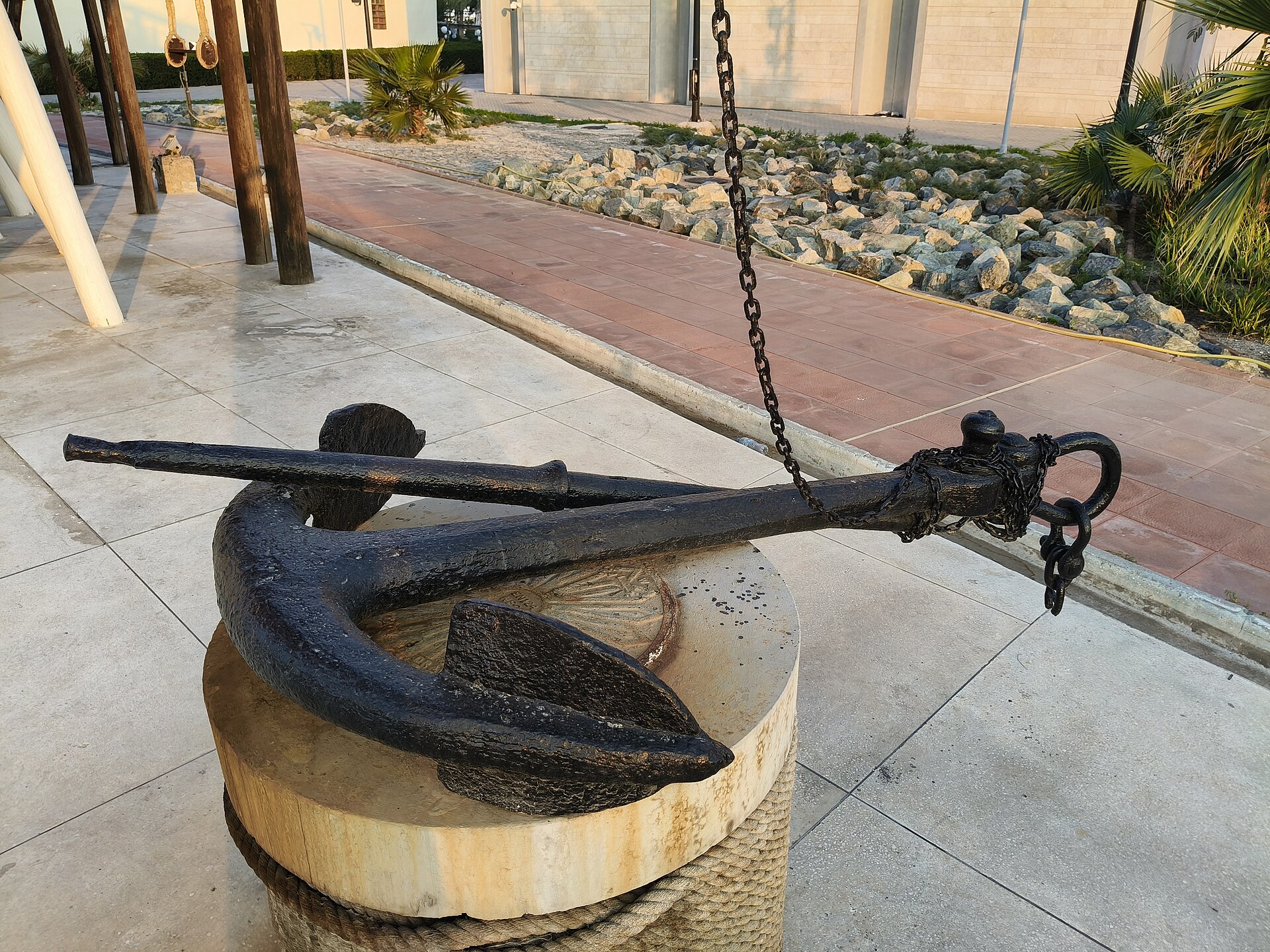
The Kuwait National Museum is more than just a repository of artifacts—it’s a place where the country’s past comes alive through carefully curated objects, stories, and architectural choices. Situated in the heart of Kuwait City, near the shores of the Persian Gulf, the museum stands as a testament to the nation’s commitment to preserving its cultural heritage. Its origins trace back to the mid-20th century, a time when Kuwait was undergoing rapid transformation following the discovery of oil. As the country’s wealth grew, so did the realization that its true richness lay not only in its natural resources but in the traditions, history, and identity that needed to be safeguarded for future generations.
The building itself is a striking example of thoughtful design. Created by French architect Michel Écochard, the museum blends modernity with tradition, reflecting Kuwait’s dual identity. From the outside, its fortress-like appearance—with thick walls and narrow openings—evokes a sense of protection, as if guarding the cultural treasures within. Yet inside, the space opens up into expansive halls where light and shadow play across surfaces, creating an atmosphere of quiet contemplation. The central atrium, crowned by a dome that reinterprets traditional Islamic architecture, serves as the museum’s focal point, drawing visitors into its narrative.
The museum’s exhibits are organized into distinct sections, each exploring a different facet of Kuwait’s history. The archaeology halls take visitors on a journey through time, showcasing artifacts that span from prehistoric settlements to the Islamic medieval period. Pottery, coins, weapons, and everyday objects reveal Kuwait’s long-standing connections to ancient Mesopotamia, India, and even China. Among the most fascinating discoveries are those from Failaka Island, once home to Greek settlements, a reminder of Kuwait’s role as a crossroads of civilizations.
Another section of the museum is dedicated to life in Kuwait before the oil boom. Here, visitors can step into recreated interiors of traditional homes, see the tools used by fishermen and pearl divers, and learn about the camel caravans that once traversed the desert. Old maps and documents illustrate how trade routes and borders shifted over centuries, offering a glimpse into a way of life that changed dramatically in just a few decades. This part of the museum is particularly effective in showing how deeply Kuwait’s culture was shaped by its environment—whether through the harsh realities of desert survival or the resourcefulness of its people.
The oil exhibition is one of the most compelling sections, chronicling Kuwait’s transformation from a modest fishing and trading community into a global energy powerhouse. Displays trace the history of the country’s first oil wells, the development of its petroleum industry, and the profound impact this had on society. The museum also highlights Kuwait’s role in founding OPEC and its influence on international energy markets, providing context for how natural resources can reshape a nation’s destiny. It’s a story of both progress and consequence, told without embellishment.
Islamic art takes center stage in another gallery, where visitors can admire rare Quranic manuscripts, intricate ceramics, jewelry, and textiles. These pieces reflect the skill of Kuwaiti artisans and their place within the broader Islamic artistic tradition. Among the most intriguing exhibits are ancient astronomical instruments, a nod to Kuwait’s seafaring past, when navigators relied on the stars to guide their voyages. The craftsmanship on display here speaks to a time when knowledge and artistry were deeply intertwined.
Beyond its permanent collections, the museum regularly hosts temporary exhibitions that explore Kuwait’s history, contemporary art, and even international themes. These rotating displays ensure that the museum remains a dynamic space, offering fresh perspectives with each visit. For those who wish to delve deeper, the museum’s library houses rare books and documents on the region’s history and culture, providing a quiet corner for research and reflection.
What makes the Kuwait National Museum special is its ability to convey the essence of the country without fanfare. There are no crowds or distractions here—just a thoughtful, unhurried exploration of Kuwait’s past. The museum doesn’t rely on grandeur or spectacle; instead, it invites visitors to engage with the stories of a people who transitioned from nomadic desert life to modern prosperity. For anyone seeking to understand Kuwait beyond its oil wealth, this is a place where history feels tangible, where every object has a voice, and where the spirit of the nation is quietly, powerfully present.