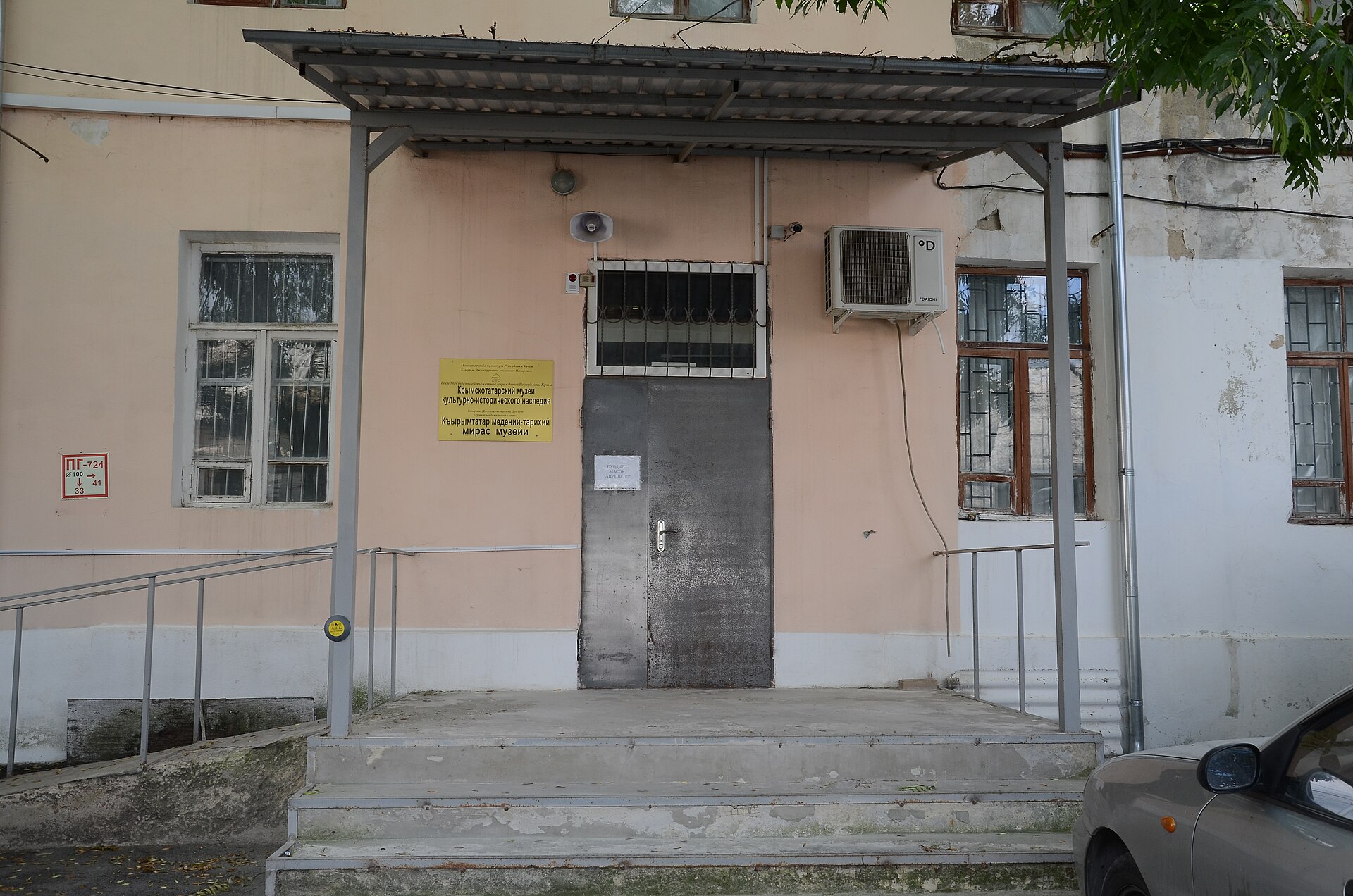
The Crimean Tatar Museum of Cultural and Historical Heritage in Simferopol is one of those rare places where history feels alive—not through dusty relics, but through the stories of people who shaped it. It wasn’t built to be just another archive of artifacts; it exists to preserve and share the memory of a people whose fate has been woven into the very fabric of the Crimean Peninsula. There’s no grandiosity here, no sterile displays of a distant past. Instead, the museum offers something far more intimate: a chance to see Crimean Tatars not as a footnote in history books, but as a living culture with its own traditions, struggles, and everyday joys.
Housed in a building that is itself a piece of history, the museum occupies a late 19th-century townhouse that reflects the architectural trends of its time. The facade, with its arched windows and understated ornamentation, is typical of Simferopol’s urban estates from that era. Inside, traces of the original design remain—delicate plasterwork, wooden beams, and old doors that have witnessed decades of change. Over the years, the building served various purposes, from government offices to communal apartments, and by the time it became a museum, it was in need of careful restoration. Today, it exudes a warmth that sets it apart from the impersonal halls of larger institutions.
The exhibition begins with the deep roots of Crimean Tatar history, stretching back to the era of the Golden Horde and the Crimean Khanate. Visitors can see reproductions of medieval maps that position Crimea as a hub of trade and culture, alongside everyday objects and weapons from those times. A particularly compelling section focuses on the Khanate’s golden age between the 15th and 18th centuries, when Bakhchisarai was not only a political capital but also a center of Islamic scholarship. Excerpts from historical chronicles play softly in the background, as if the walls themselves remember the voices of diplomats, merchants, and scholars who once walked these lands.
One of the most moving parts of the museum is the hall dedicated to the deportation of 1944. This isn’t just a display of documents and photographs; it’s an attempt to recreate the atmosphere of those days through personal stories. Here, you’ll find the belongings people grabbed in haste—worn suitcases, children’s toys, family photographs—alongside letters from exile describing the harsh conditions in Uzbekistan, Kazakhstan, and other Soviet republics. The weight of these objects is palpable; each one carries the story of a life disrupted, a family torn apart. It’s impossible to leave this section without feeling the human cost of history.
Yet the museum doesn’t dwell solely on tragedy. A significant portion of the exhibition is devoted to the return of Crimean Tatars to their homeland in the late 20th century. Documents about the rehabilitation of the people sit alongside photographs of the first returnees rebuilding their lives on devastated land. There are also everyday items they brought back with them, symbols of resilience and cultural revival. The collection of traditional clothing, jewelry, and musical instruments is particularly striking, offering a glimpse into how a community reconnected with its identity. Folk melodies play softly in the background, creating a sense of time moving forward, albeit slowly, with cautious optimism.
The artistry and craftsmanship of Crimean Tatars are on full display through intricate embroidery, ceramics, and jewelry. Visitors can admire hand-stitched towels that were once given as wedding gifts, painted plates adorned with motifs inspired by the steppe, and silver ornaments featuring distinctive patterns. The museum also houses a remarkable collection of ancient manuscripts and books written in Arabic and Crimean Tatar, some of which are true works of art, blending calligraphy with exquisite miniatures. These pieces aren’t just artifacts; they’re testaments to a culture that has endured despite centuries of upheaval.
What makes this museum truly special is its commitment to keeping culture alive, not just preserving it. Regular workshops invite visitors to try their hand at traditional crafts like embroidery, pottery, or even cooking national dishes. In the summer, the courtyard comes alive with concerts featuring folk instruments like the daul and saz, while winter evenings often bring poetry readings by Crimean Tatar authors. These events transform the museum from a place of passive observation into a space for active engagement, where visitors can connect with the culture in a meaningful way.
For many, the museum offers more than just an introduction to Crimean Tatar history—it reveals a side of Simferopol that often goes unnoticed. The city’s past is layered, complex, and deeply interconnected, and this museum doesn’t shy away from that complexity. There’s no pretension here, no attempt to present history in a neatly packaged, sanitized way. Instead, it invites visitors to engage with the stories of their neighbors, to understand the traditions that have shaped the peninsula, and to recognize the contributions of a people who have called Crimea home for centuries. It doesn’t claim to tell the whole story, but it tells its part with honesty, acknowledging both the triumphs and the tragedies.
The pace here is unhurried, and that’s part of the experience. You could spend hours poring over photographs, reading letters, or listening to guides share stories that bring the past to life. There’s a quiet corner where you can sit and reflect on how fragile yet enduring human memory can be. The museum doesn’t offer easy answers, but it does something far more valuable: it makes you think about what it means to be part of history—both your own and someone else’s. In that quiet reflection, it finds its greatest strength.