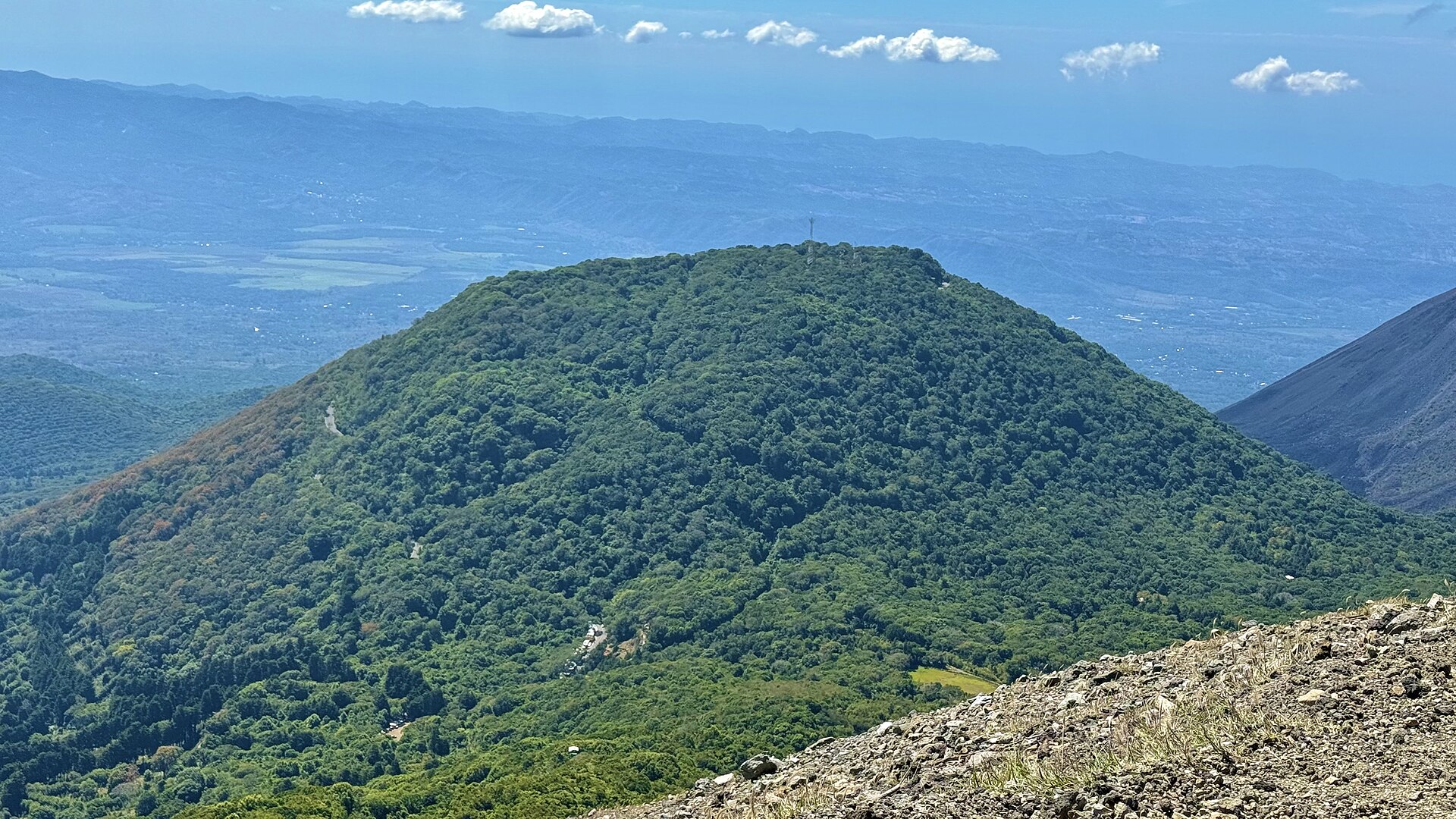
Izalco Volcano is one of those rare places where nature speaks for itself, its presence so commanding it needs no introduction. Rising in western El Salvador, not far from the town of the same name, it has been in near-constant eruption for nearly two centuries. Every few minutes, the volcano sends up plumes of ash and molten rock, a spectacle visible for miles around. Sailors once used its fiery glow as a natural beacon, earning it the nickname the Lighthouse of the Pacific. Today, it remains one of Central America’s most active volcanoes, and while its power is undeniable, it can be observed safely from viewpoints on the surrounding hills.
The story of Izalco is woven into the fabric of El Salvador itself. The first recorded eruption dates back to 1770, though local legends suggest it had awakened long before. For the indigenous Pipil people, the volcano was sacred, its flames seen as a manifestation of divine power. When the Spanish arrived, their perspective shifted—Izalco became both a threat and a blessing. The ash it spewed enriched the soil, turning the surrounding land into some of the country’s most fertile coffee-growing regions. Even now, the volcano’s influence is felt in the rich, dark earth that sustains the local economy.
There are no grand monuments or man-made structures on Izalco’s slopes—just raw, untamed nature. The viewpoints, though simple, are perfectly positioned to showcase the volcano’s might. One of the best overlooks is at the Los Volcanes hotel, where the entire crater unfolds before you. At dusk, when the sky darkens, the bursts of lava glow even brighter, as if the earth itself is breathing. By day, the details emerge—the jagged edges of old lava flows, the scars of past eruptions, each one a chapter in the volcano’s long history.
Reaching these viewpoints isn’t a technical climb, but it’s not an easy stroll either. The road winds through coffee plantations and dense forests, where the air is thick with the scent of damp earth and green foliage. Along the way, small roadside stands offer fresh fruit and strong, locally brewed coffee, served in simple cups with no rush. The pace here is slow, unhurried, and visitors quickly find themselves falling into the same rhythm. There are no crowds, no tourist traps—just the quiet hum of life in the shadow of the volcano, punctuated by the occasional deep rumble of another eruption.
For those who want a closer look, guided tours are available. The guides don’t just explain the geology—they share stories of the people who have lived alongside Izalco for generations. Many families still pass down tales of fleeing eruptions, rebuilding homes after ashfalls, and learning to respect the mountain’s unpredictable power. These stories add depth to the experience, turning a visit into something more than just sightseeing. It becomes a glimpse into a way of life shaped by forces far greater than human ambition.
It’s important to remember that Izalco is not a static attraction but an active volcano, and its behavior can change without warning. Some days, it lies quiet; on others, eruptions follow one after another, keeping locals alert. Authorities monitor its activity closely, and while evacuations are rare, they remain a possibility. For visitors, this means the experience is safe but never entirely predictable. The volcano demands respect, not fear, and those who come here understand that they are witnessing something far beyond their control.
The mood of Izalco shifts with the time of day and the weather. In the morning mist, it feels almost mystical, its slopes shrouded in mystery. By midday, under the harsh sun, every crack and lava flow stands out in stark relief, a map of its violent past. At night, when the crater glows, it’s easy to imagine standing at the edge of another world. The contrast is striking, and no two visits feel the same. Whether you come for the science, the history, or simply the awe of it all, Izalco leaves an impression that lingers long after you’ve left.
More than just a landmark, Izalco is part of El Salvador’s identity. It serves as a reminder that the country sits on the restless edge of tectonic plates, where the earth is never truly still. There are no luxury resorts here, no flashy attractions—just the quiet, unfiltered power of nature. This is a place for those who seek authenticity, who find beauty in the raw and unpolished. Izalco doesn’t offer easy answers or packaged experiences. It simply exists, as alive and unpredictable as the land itself.