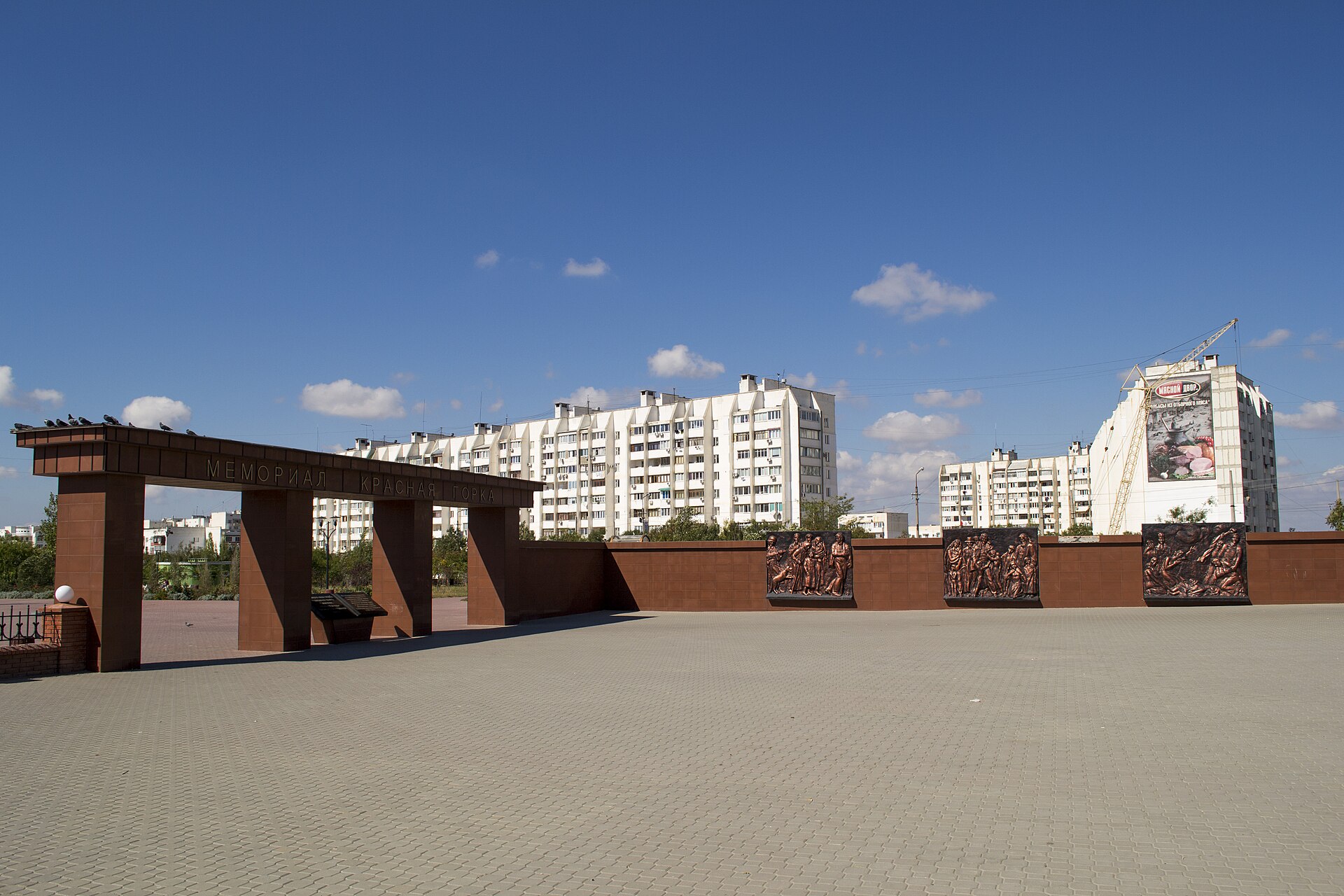
Red Hill
Red Hill is one of Yevpatoria’s quiet corners, where past and present settle into an easy coexistence. It sits on a gentle slope above the sea, offering a view of the city where history, architecture, and everyday life blend without fuss. No crowds, no tourist rush—just the steady rhythm of the place, the salt-tinged breeze, and the sense that little has changed in how people move through these streets over the decades.
The hill’s name comes from the reddish clay that colors its slopes, especially striking at sunset when the light deepens the hue. But the name carries more than color. Over centuries, this spot has been a crossroads: Ancient Greeks settled here, Genoese traders used the high ground as a lookout, and by the 19th century, when Yevpatoria became a seaside resort, the hill had woven itself into the city’s fabric. It drew visitors then, and still does, for its views and the crisp air.
Today, Red Hill is less a tourist attraction than a living part of the city. Private homes, small gardens, and the occasional vineyard dot the slopes, their paths winding toward viewpoints where the sea stretches below. In summer, the hill wakes up quietly—locals and visitors climb the gentle incline to sit under an old tree, watching waves break or ships glide on the horizon. No grand spectacle, just the simple pleasure of a place that feels both timeless and ordinary.
The architecture here is modest but revealing. A few remnants of the past remain, like the early 20th-century water tower built to supply the city. Though unused now, its brick walls and arched openings still stand, a reminder that even functional structures were once built with care. Nearby, a handful of Art Nouveau houses—curved windows, delicate stucco—hint at the resort culture that once thrived. These buildings don’t shout for attention, but they add texture to the landscape, a quiet nod to those who shaped the city.
What makes Red Hill special is its unhurried pace. Unlike the busier streets near the center, life here unfolds at its own rhythm. On weekends, you might find an artist sketching the coastline or friends gathered around a guitar, the notes drifting up the slope. In summer, small markets sell local produce—figs, grapes, homemade wine—nothing polished, just the kind of trade that’s happened here for generations. It’s a place where you can sit for hours without feeling the need to do anything.
The hill changes with the seasons.
In autumn, when tourists leave, the air sharpens, the sea grows more vivid, and the hill reclaims its solitude. Winter brings a hush, broken only by children sledding down the slopes. By spring, greenery returns in bursts of color, almond trees blooming in soft pinks and whites. The place shifts, yet always feels the same in its quiet way.
If you like wandering, start here. From the hill, you can descend to the waterfront, where old bathing houses and fishing boats line the shore, or head into the historic city, where narrow streets pass mosques and Karaite kenassas. Or stay on the hill, watching the light shift over the sea, the water darken as the sun dips, the sound of waves carrying up even to this height.
Red Hill won’t appear on postcards. No signs point the way, no souvenir stalls, no guided tours. That’s the charm. It’s for those who prefer atmosphere over spectacle, who notice how history lingers in the everyday. If you visit Yevpatoria, climb it once—not just for the views, but to understand why this city has drawn people for centuries. The past here isn’t a relic. It’s alive.