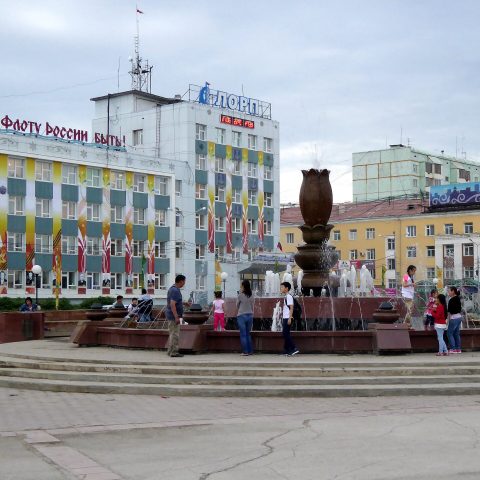
The Yakutsk Local History Market is where the pulse of the city meets the enduring traditions of Yakutia. Unlike the uniform stalls of typical markets, this place feels like a living extension of the region itself—where people sell what they’ve grown, hunted, or crafted with their own hands. It’s not just about commerce; it’s about the way life has been lived here for generations, shaped by the land and its rhythms.
Located in the heart of Yakutsk, the market is impossible to miss. The air hums with activity, a stark contrast to the quiet efficiency of modern supermarkets. Here, trade happens under the open sky or in simple wooden pavilions that echo the region’s traditional architecture. In summer, the scent of fresh fish, wild herbs, and smoked meat fills the air, while winter brings the crisp bite of frost and the warmth of steaming tea poured from thermoses. The market doesn’t just adapt to the seasons—it embodies them.
What draws people here are the local products, each telling a story of survival and adaptation. Yakutia is famous for its fish, particularly sturgeon and nelma, sold fresh, salted, or smoked. Meat from wild game like reindeer and elk is also common, though its sale is carefully regulated. Alongside these, you’ll find berries gathered from the taiga—lingonberries, blueberries, cloudberries—as well as pine nuts and mushrooms. These aren’t just ingredients; they’re staples of a diet honed over centuries in one of the harshest climates on Earth.
Handcrafted goods hold a special place at the market. Fur hats, mittens, and traditional *unty* boots made from reindeer hide are more than just winter gear—they’re a testament to the skill passed down through generations. Nearby, you might find intricate carvings from mammoth ivory, a material unique to Yakutia, where the remains of these ancient creatures are still unearthed. There are also birch bark boxes and wooden items adorned with traditional patterns, each piece reflecting the region’s deep connection to its natural surroundings.
But the market is more than a place to buy and sell. It’s a social hub where locals catch up, haggle over prices, and share news. For many Yakuts, visiting the market is part of their daily routine, a way to stay connected to their community. For outsiders, it’s a rare glimpse into life in one of the coldest inhabited places on the planet—a place where resilience and tradition are woven into everyday existence.
The market’s history stretches back decades. Even in Soviet times, it was a gathering place for farmers and hunters, a vital space for trade and social exchange. Back then, it wasn’t just about goods; it was where people solved problems, upheld customs, and kept their way of life alive. Today, modern stalls stand alongside the old wooden ones, and the range of products has expanded, but the spirit of the place remains unchanged.
Winter transforms the market into something even more striking. Temperatures can plummet to minus fifty degrees Celsius, yet neither vendors nor shoppers are deterred. Sellers bundle up in fur-lined coats, while buyers move quickly, stocking up on fresh produce that’s always in abundance. In summer, the market becomes a vibrant, noisy space where the focus shifts from survival to celebration—of the brief warmth, the harvest, and the sheer joy of being alive in such a demanding landscape.
This isn’t just a market where you buy food or souvenirs. It’s a living, breathing reflection of Yakutia’s culture, traditions, and way of life. Every item has a story, every seller a history. For anyone curious about how people thrive in the North, this place offers a revelation—one that lingers long after you’ve left.