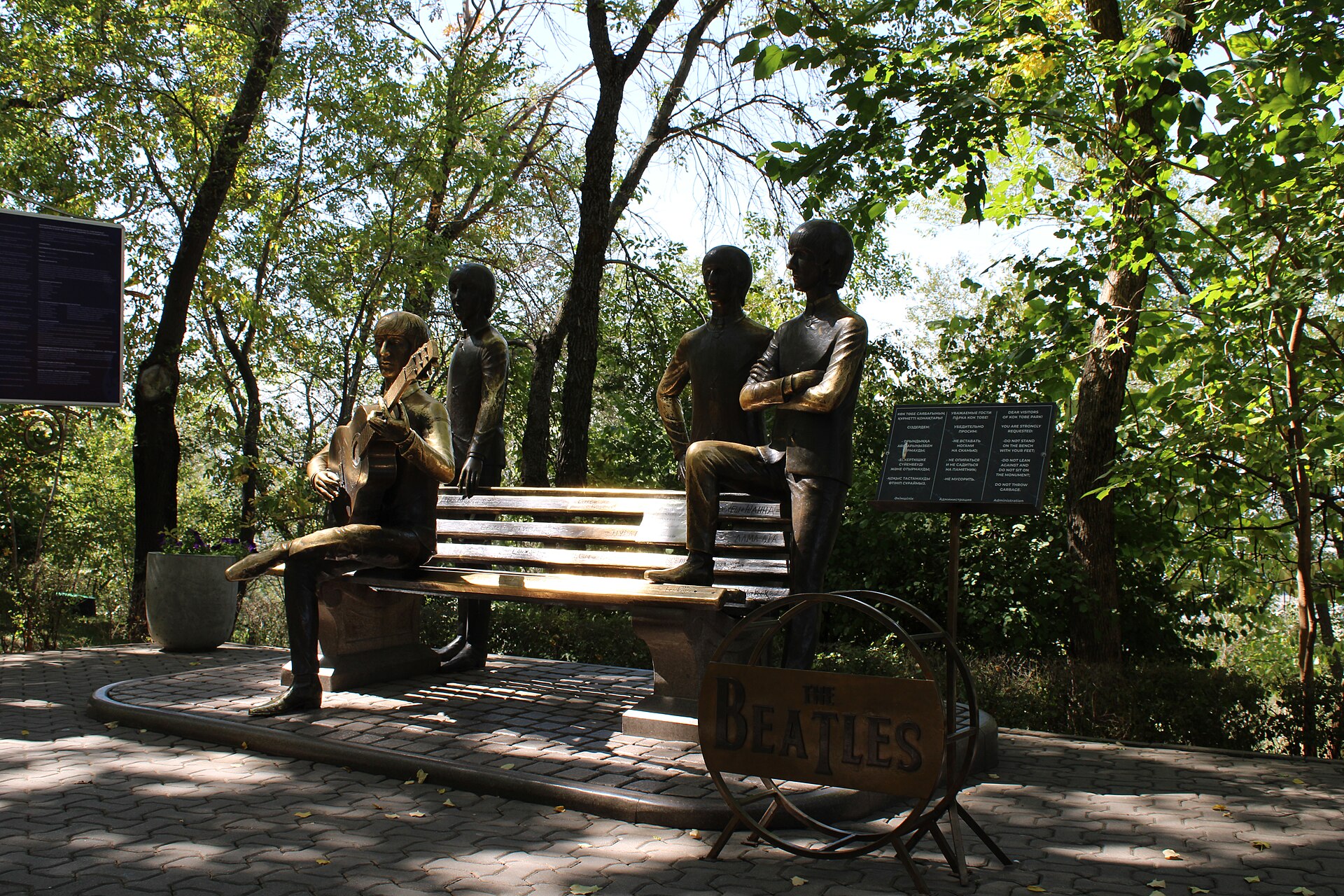
Kok-Tobe isn’t just a hill on the edge of Almaty—it’s one of those places where the city reveals itself in an unexpected way. The name means Green Mountain in Kazakh, and while today there’s more pavement and amusement rides than wild greenery, the spirit of the place still feels light, almost effortless. You can reach the top on foot if you enjoy winding trails, or take the funicular, which has become a landmark in its own right. The small cable cars climb slowly, and with every meter, Almaty shrinks into a miniature map below—first the broad avenues, then the rooftops, until the city dissolves into the foothills of the Zailiysky Alatau.
The history of Kok-Tobe is woven into the story of Almaty itself. Once a quiet outskirts where locals picnicked and wandered through nature, the hill became a popular retreat during Soviet times. That era brought the first amusement rides, cafes, and even a small zoo. Little remains of those days now, though some traces linger—like the famous apple tree where, according to legend, Dinmukhamed Kunaev, a prominent Soviet-era leader, used to rest. The tree isn’t what it once was, but it’s still carefully preserved, a quiet symbol of the past.
The architecture here is a mix of practicality and chance. The most striking feature is the television tower, built in the late 1970s, which looms over the hill and can be seen from nearly anywhere in the city. It’s one of the tallest structures in Central Asia, though it’s not open to visitors. Its silhouette has become part of Almaty’s skyline, a familiar landmark. Nearby, a modest amusement park offers simple rides—a Ferris wheel, a roller coaster—nothing extravagant, but enough to create a relaxed, carefree atmosphere.
For many Almaty residents, Kok-Tobe is tied to childhood memories. Some remember school trips here, others their first taste of cotton candy at the local fair. Today, families with children, young couples, and tourists come to enjoy the view. At the top, several observation decks offer panoramic vistas of the city. On clear days, the snow-capped peaks of the mountains frame the horizon, and the view is especially striking at sunset, when the city lights begin to glow as the sun dips behind the ridge.
Despite its popularity with visitors, Kok-Tobe still feels oddly intimate. Maybe it’s because the place doesn’t try to be anything more than it is. There are no luxury restaurants or high-end hotels, just simple cafes where you can sip tea with baursaks and small stalls selling souvenirs. Locals often come here for a casual stroll, especially on weekends, when the hill is lively but not overwhelming. In summer, fountains add a playful touch; in winter, an ice rink appears. Spring and autumn are quieter—good seasons to sit on a bench and listen to the wind in the trees.
Kok-Tobe isn’t the kind of place you visit for grand architecture or deep historical revelations. Instead, it’s where the city meets the mountains, where the past brushes against the present. There’s no set path to follow—you can take the funicular up and walk down, linger at the observation deck, or head straight to the amusement park. You can sit on the grass and do nothing at all. That’s the charm of Kok-Tobe: it lets you feel the rhythm of the city without getting caught up in its hustle.