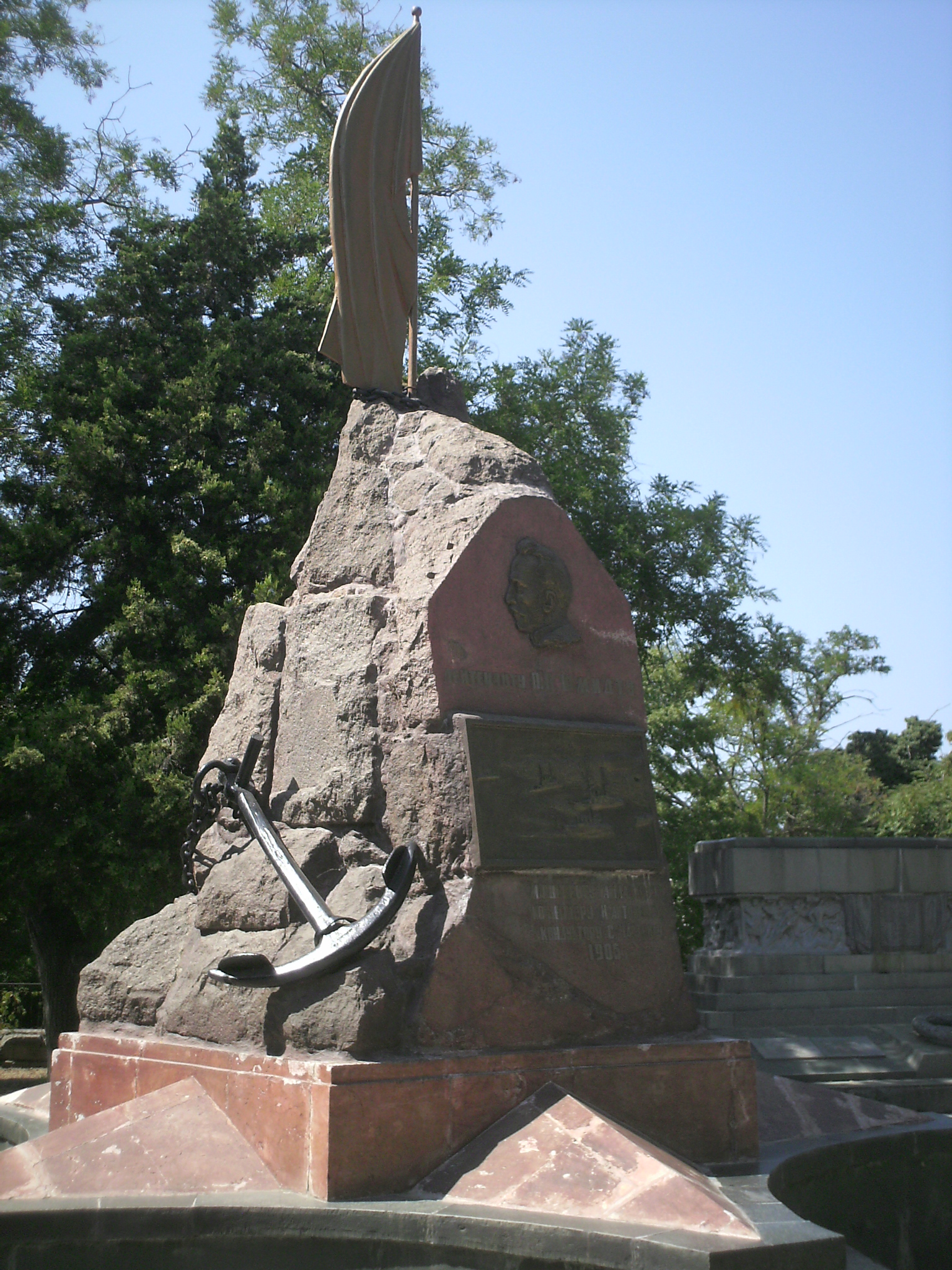
Communars Cemetery in Sevastopol is one of those places where the weight of history feels almost tangible. Established in the early 20th century as a memorial to revolutionaries and those who fought in the Russian Civil War, it has since become more than just a tribute to the struggle for Soviet power. Over time, it has grown into an open-air chronicle of the city’s turbulent past, where the stories of individuals who once shaped the nation’s fate are etched into stone and soil.
The cemetery’s architecture is unassuming, and that’s part of its character. Simple headstones, designed in a restrained style, stand alongside later memorials dedicated to those who perished in the Second World War. At its heart lies a mass grave of Communards who died in 1919 defending Sevastopol against White Army forces. A granite obelisk rises above it, flanked by an eternal flame—a quiet but enduring symbol of remembrance and the unbroken thread of history.
Among the graves are names that once echoed across the country. Revolutionaries like Nikolai Barmich, a leader of the Sevastopol underground, and Ivan Nazukin, a key figure in establishing Soviet rule in Crimea, rest here. But the cemetery isn’t just a resting place for political figures. It also honors those who gave their lives defending the city during the Second World War—sailors, pilots, partisans—each grave a reminder that Sevastopol has always been a city forged in conflict, where courage and sacrifice were the currency of survival.
The atmosphere at Communars Cemetery is far from gloomy. Despite its location within the city, it feels secluded, almost serene. Trees planted decades ago cast dappled shadows over the paths that wind between the graves, leading to small clearings where visitors can pause and reflect. Unlike many grand memorials, this place doesn’t seek to overwhelm with scale or grandeur. It simply exists, a quiet witness to lives lived, battles fought, and legacies left behind.
For Sevastopol, the cemetery is more than just a burial ground—it’s a living part of the city’s culture. Schoolchildren visit on field trips, veterans come to pay their respects, and locals sometimes stroll through its shaded paths as they might in a park. On Victory Day and the anniversary of Sevastopol’s liberation, ceremonies and flower-laying events take place here, but on ordinary days, the cemetery remains a place of quiet contemplation.
What makes Communars Cemetery unusual is that it hasn’t remained frozen in time. Over the years, new graves have been added, reflecting more recent chapters of the city’s history. Sailors who perished in the Kursk submarine disaster and soldiers who fell in conflicts in the North Caucasus are buried here, ensuring that the cemetery continues to evolve alongside the city it serves. It’s a place where history isn’t just remembered—it’s still being written.
For those curious about Sevastopol’s past, the cemetery offers a different kind of experience. There are no flashy attractions or tourist crowds, just the raw, unfiltered weight of history laid bare. It doesn’t tell visitors how to feel about the past or what lessons to draw. Instead, it invites them to walk among the graves, read the names, and form their own conclusions. In a city where history is often written in blood and resilience, Communars Cemetery stands as a reminder that the past is never as simple as monuments or textbooks might suggest. It’s a place where the stories of ordinary people—those who fought, those who led, and those who simply endured—are preserved not in marble or bronze, but in the quiet dignity of memory.