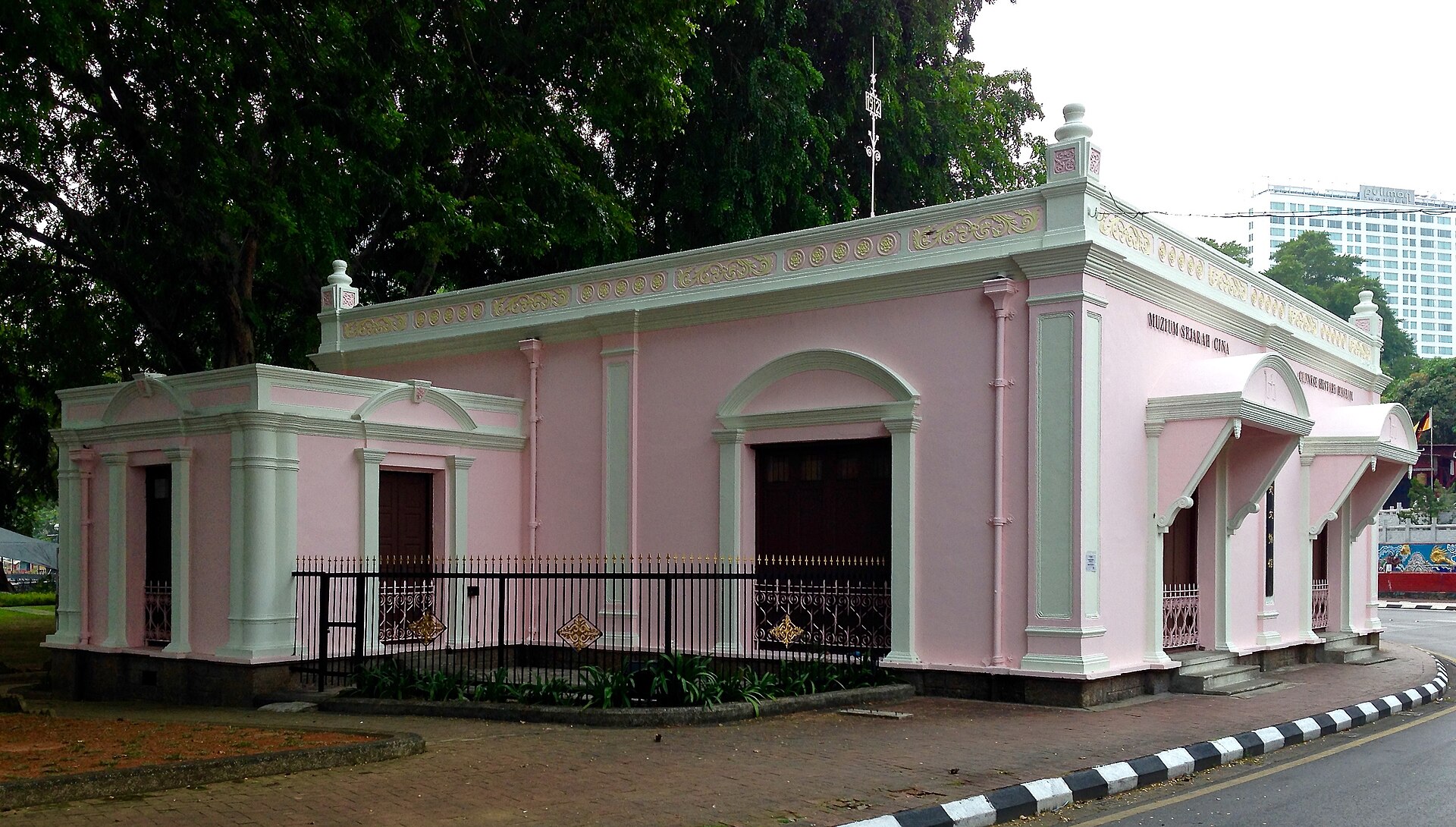
Kuching is a city where cultures intertwine, and few places capture this as vividly as the Chinese History Museum. Housed in a building that has witnessed over a century of change, the museum stands in the heart of the old town, its very walls telling stories of diplomacy, trade, and community. Originally constructed in the early 1900s, the structure first served as the residence of the Chinese consul before later becoming a municipal office. Today, it preserves the legacy of the Chinese immigrants who helped shape Sarawak, offering more than just artifacts—it’s a tribute to the people who built the city.
The museum begins with the arrival of the first Chinese settlers in the 19th century, many of whom were traders, craftsmen, and laborers seeking new opportunities far from home. They brought with them not just their skills but their traditions, beliefs, and cuisine, elements that would later become woven into the fabric of local life. The exhibits here include everyday objects from that era: old coins, tools, clothing, and photographs that paint a picture of daily existence. One section highlights the often-overlooked contributions of women, whose labor sustained family businesses and strengthened the community in ways that history sometimes forgets.
A dedicated gallery explores the economic impact of the Chinese community on Sarawak’s development. Documents, contracts, and samples of goods once traded across the South China Sea reveal how the region’s resources—rubber, pepper, timber—were transported and sold. The museum displays antique scales, abacuses, and ledgers, tools of a trade that connected Sarawak to the wider world. Some exhibits also touch on the challenges: taxes, competition, and occasional tensions with local rulers. Yet the overall narrative is one of collaboration, showing how different cultures enriched one another over time.
The building itself is part of the story. A two-story colonial mansion with Chinese architectural influences, it reflects the blending of styles that defined the era. High ceilings, intricately carved wooden panels, and inner courtyards lit by traditional lanterns create an immersive atmosphere. The second-floor hall, preserved with its original early 20th-century furniture and decor, offers a glimpse into the past—imagine diplomatic receptions, business negotiations, or family celebrations taking place within these walls.
While the museum honors history, it also connects to the present. Modern photographs, video installations, and stories of contemporary Chinese-Malaysian entrepreneurs and artists show how traditions continue to evolve. One exhibit features works by local Chinese-Malaysian artists, while another captures the vibrant celebrations of Chinese New Year in Kuching, a festival that draws thousands. The museum also highlights culinary traditions that have become part of the city’s identity, from *ho fan* noodles to Kuching’s famous dumplings.
Visiting the museum is as much about experiencing the old town as it is about learning history. The surrounding neighborhood is steeped in the past, with narrow streets, historic shops, and temples where services are still held. Nearby markets offer dishes brought by Chinese immigrants or handmade souvenirs. The museum acts as a bridge between eras, reminding visitors that history isn’t just dates and facts—it’s the living fabric of the city.
For those interested in Southeast Asian history, the Chinese History Museum is an essential stop. It offers insight into how modern Sarawak was shaped and why Kuching is the multicultural, welcoming place it is today. There’s no grand narrative or idealization here—just an honest account of how people from different backgrounds built a shared home. That, perhaps, is the museum’s greatest strength: it doesn’t just inform but invites reflection on what brings people together, even when they come from different worlds.