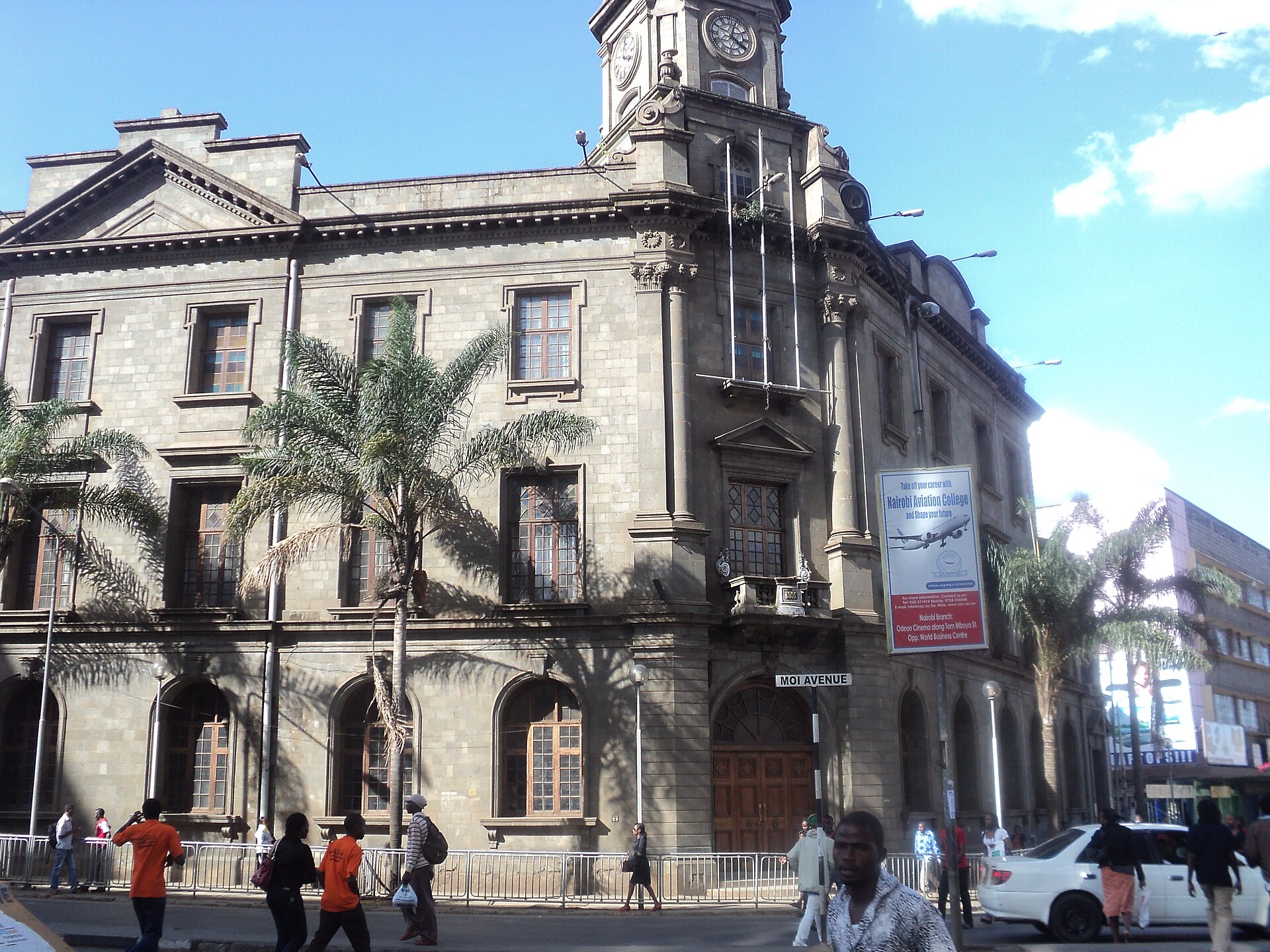
Nairobi’s Khoja Mosque doesn’t announce itself with towering minarets or vast courtyards. Instead, it holds the stories of those who walked through its doors—Ismaili Muslims who arrived from South Asia during colonial rule, building new lives in Kenya. For them, this place was where weddings took place, where children learned prayers, and where families gathered after funerals. It became a piece of home in an unfamiliar city.
The mosque’s design is plain: whitewashed walls, a small minaret, and arched windows. Inside, the space serves its purpose—room for crowds during Eid, a place to kneel during daily prayers. There are no elaborate carvings or gold leaf, just worn carpets and the faint scent of incense. It feels like a home, not a spectacle.
The mosque sits in a neighborhood that still remembers old Nairobi. This was once the Indian quarter, where spice merchants and tailors filled the streets. Today, modern buildings share the skyline with older structures, but the lanes remain narrow, the air thick with the smell of cardamom and fresh chai. The mosque isn’t separate from this life—it’s part of it. In the mornings, men hurry past on their way to fajr. By afternoon, children chase each other in the alleyways, and the call to prayer blends with the clatter of shopkeepers packing up for the day.
For Ismailis, the mosque has been a constant. It witnessed colonial-era restrictions, when gatherings were rare and precious. After independence, it became a place to mark milestones—first steps, last goodbyes, the breaking of fasts. Families still return here, tracing their lineage back to the first migrants who arrived over a century ago.
The Khoja Mosque doesn’t turn visitors away. If you step inside, you can sit quietly, watch, or ask questions. There are no strict rules, just an unspoken expectation of respect. Sometimes, school groups or travelers stop by, curious about its role in the city’s history. It doesn’t demand attention, but those who stay awhile often leave with a clearer sense of how Nairobi’s communities have shaped one another.
The building shows its age—paint peeling in places, cracks in the plaster—but it’s cared for. The neighborhood has changed; glass towers rise in the distance, and the pace of life has quickened. Yet the mosque remains untouched by the rush. Here, you can sit in the courtyard and hear the city hum in the background, imagining the hands that have touched these walls over generations.
Nairobi has always been a city of arrivals. The Indian community left its mark—through food, trade, and places like this mosque. For the descendants of those early migrants, it’s a physical link to the past. The rituals continue: Friday prayers, Ramadan iftars, the quiet moments in between.
The streets around the mosque feel lived-in. Cafés serve milky chai, shops overflow with bright fabrics, and the air carries the scent of frying samosas. Swahili, Hindi, and English mix in the crowd. There’s no script here, no tourist map—just the rhythm of daily life.
The Khoja Mosque doesn’t need to impress. It stands as it always has—quiet, steady, unassuming. In a city where history is often repackaged for visitors, this place moves to its own time. You can sit on a bench, listen to the distant traffic, and think about the lives that have passed through these doors. It’s not about grand events or famous names. It’s about the small, enduring connections that tie people together.