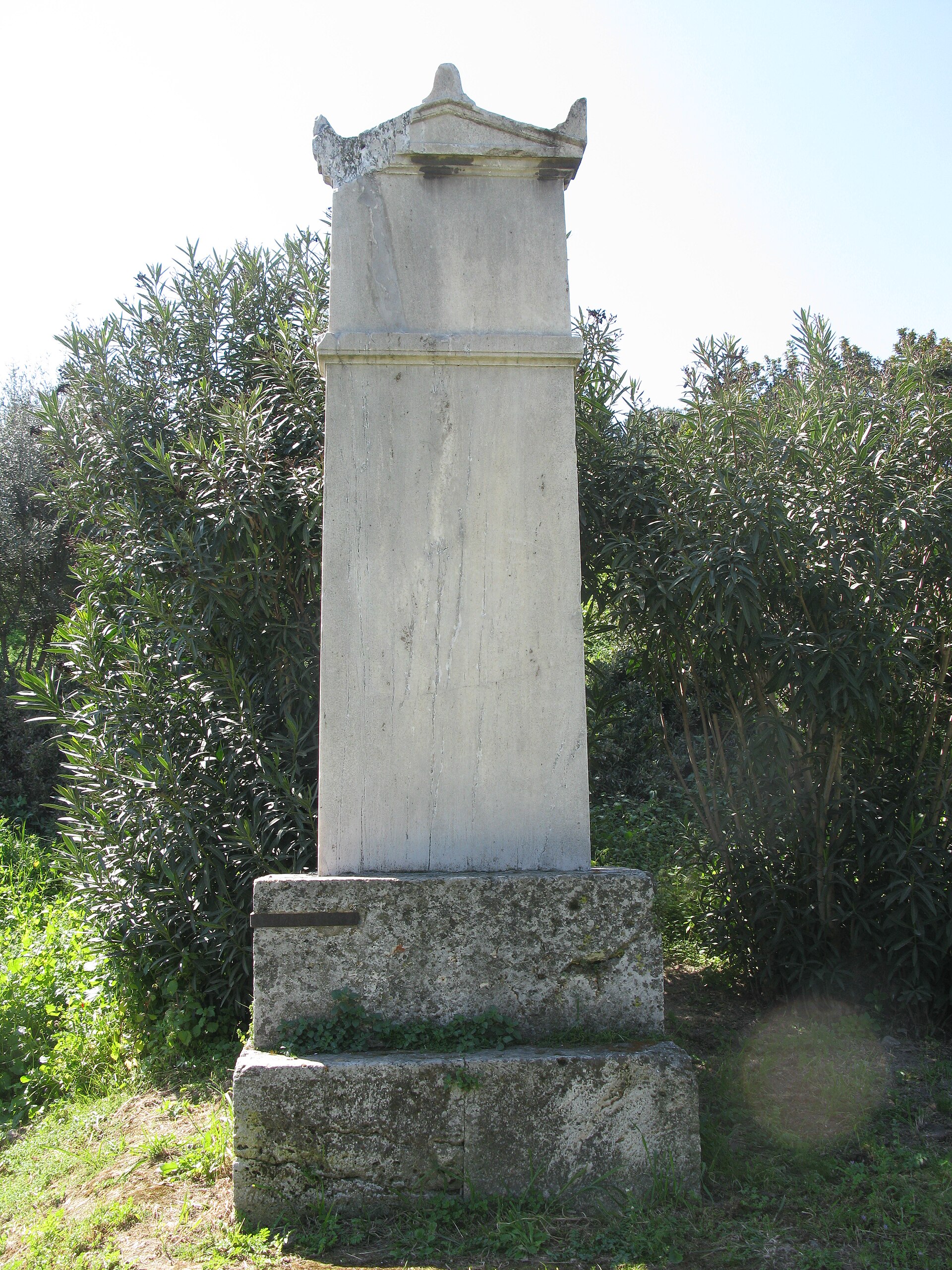
Kerameikos is one of those rare places in Athens where the past doesn’t just linger in museums or beneath glass cases—it breathes in the quiet rustle of olive leaves and the soft crunch of gravel underfoot. Northwest of the Acropolis, this district was once the heart of ancient Athens. Today, most visitors overlook it, drawn instead to the crowded squares and polished marble of the city center.
The name Kerameikos comes from *keramos*, the Greek word for clay. In antiquity, this was the center of Athenian pottery production. The district supplied Attica with everything from storage jars to painted vases now found in museum collections worldwide. The nearby Eridanos River provided water for processing clay, while the earth was rich with sediment. Over time, the area grew into an artisan quarter, home to potters, blacksmiths, weavers, and sculptors. Some of ancient Greece’s most celebrated vase painters worked here, their workshops producing pieces that later became priceless artifacts.
By the 5th century BCE, Kerameikos had become part of the city’s fortifications and one of Athens’ most important burial grounds. The Sacred Way, the processional route to Eleusis, passed through here. The district became a final resting place for soldiers, philosophers, and prominent citizens. Today, the archaeological park holds hundreds of graves, steles, and monuments. Some tombs are adorned with reliefs of the deceased; others bear epitaphs about grief, honor, and memory.
The remains of the Dipylon Gates stand out. These were the largest city gates in ancient Athens, where the road to Eleusis began and the path to Plato’s Academy originated. Citizens assembled here before military campaigns, and processions in honor of Athena passed through. Today, only fragments of the foundations remain, but they hint at the site’s scale and significance.
The ruins here include workshops, residential areas, and public buildings. The Street of Tombs is lined with monuments of wealthy Athenians. Some graves resemble miniature temples; others feature sculptures of the deceased with family or servants. These reveal a society where status mattered in death as much as in life. The craftsmanship shows how much care went into remembering the dead.
Kerameikos feels suspended in time. There are no modern buildings, no neon signs, no traffic noise—just quiet, the scent of wild herbs, and the shade of ancient trees. Excavations are conducted carefully, as if the archaeologists don’t want to disturb the atmosphere.
Locals come here to escape the city’s pace. The greenery makes it cooler in summer. In the evenings, you might see Athenians strolling or sitting on the low stone walls. Artists and photographers are drawn to its timeless quality. The park occasionally hosts open-air exhibitions, small concerts, or film screenings, but these events never overshadow the site’s tranquility.
Kerameikos offers a different view of Athens. This isn’t the city of postcards—the Acropolis over whitewashed houses or Syntagma Square teeming with life. There are no grand temples here, but what you find is more intimate: a thread connecting the present to the past. History isn’t just about dates and battles; it’s about people—their routines, crafts, joys, and sorrows. For those who want to understand Athens as a city with a living memory, this is where to come.